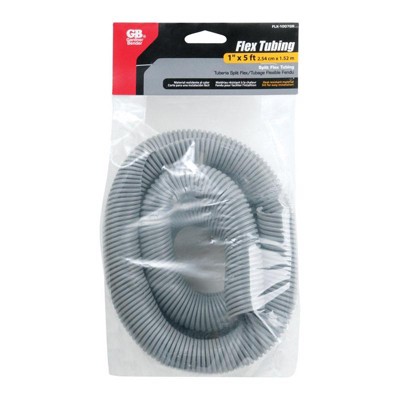
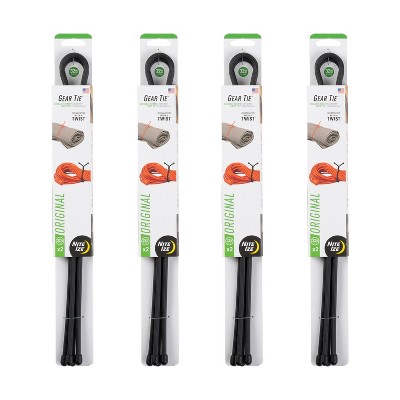
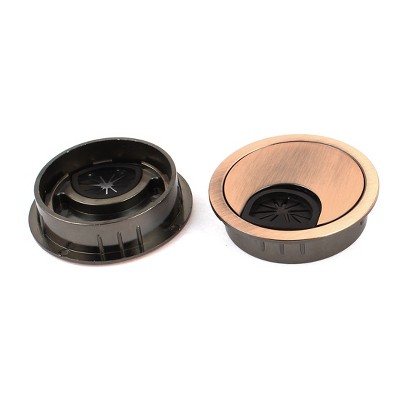
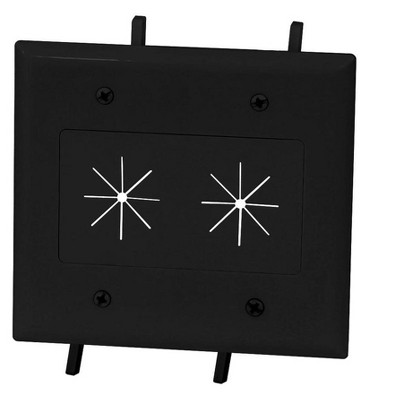
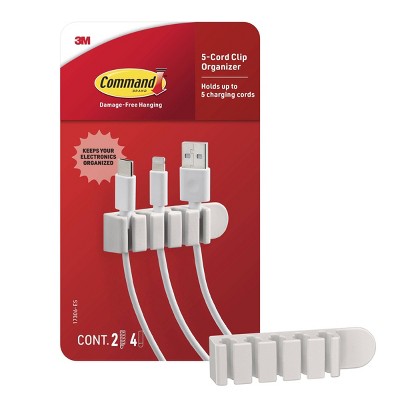
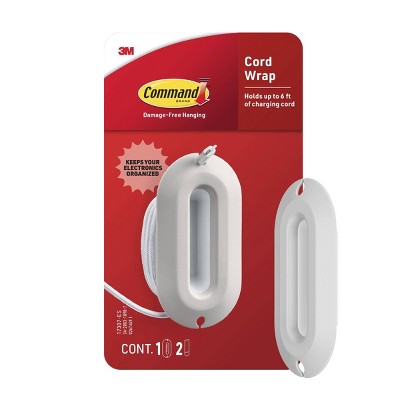
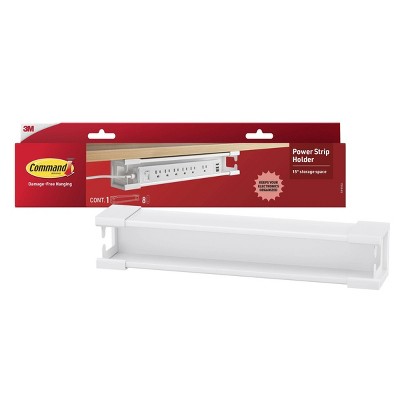
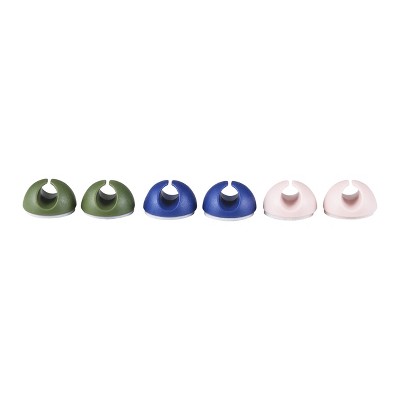
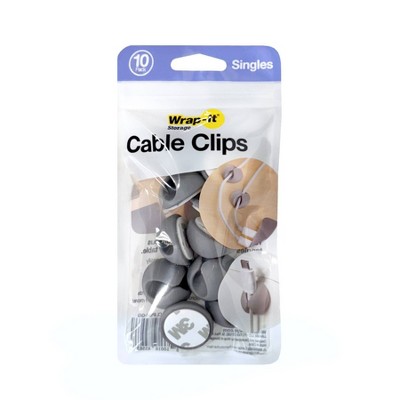
Most adhesive charging cable holders use an adhesive backing—ranging from strong double‑sided adhesive on silicone organizers to removable adhesive strips—so they stick to clean, smooth surfaces such as marble, plastic, wood, glass, metal and painted walls.
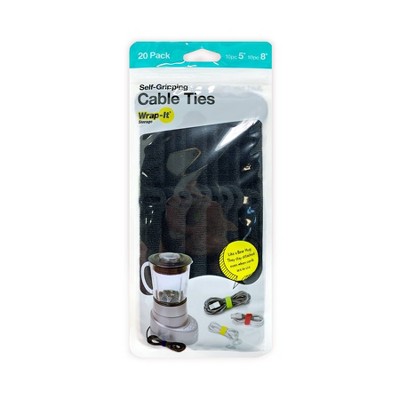
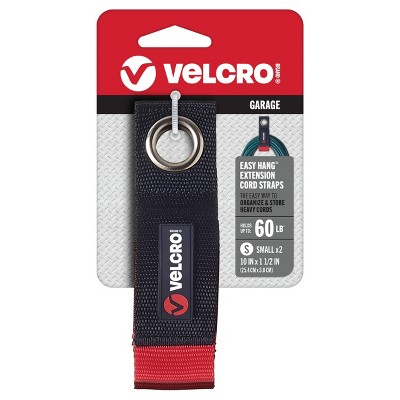
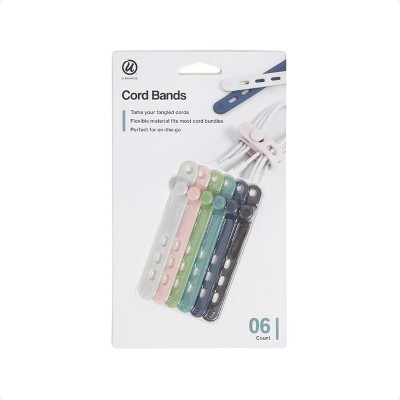
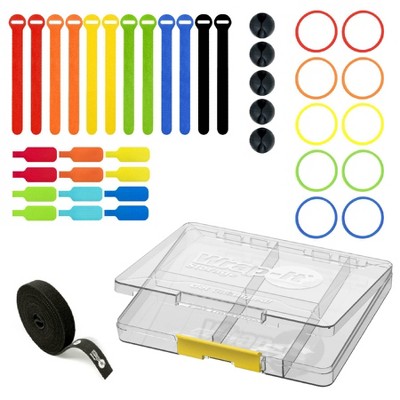
Pack sizes vary. Examples include small multi‑packs such as 2‑packs or 4‑packs for cord bundlers and round clips, while some clip sets are sold as larger 24‑count packs.
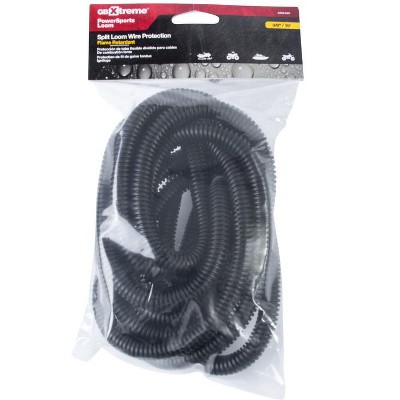
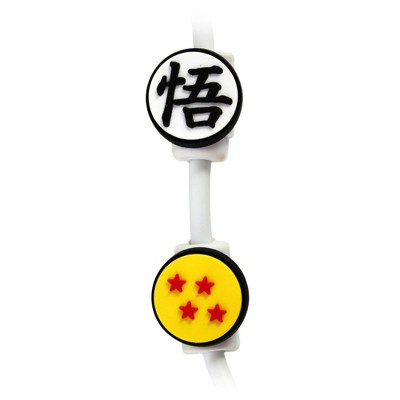
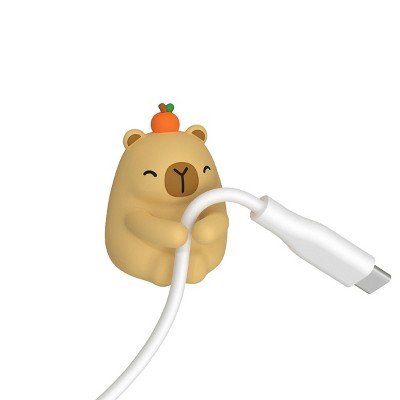
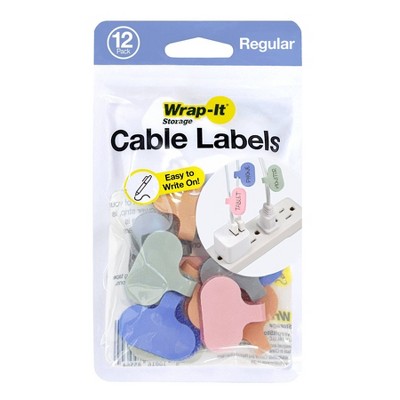
Cord collars and protectors reinforce cable ends and the areas that bend most by adding a protective sleeve or wrap. That reinforcement helps reduce wear and fraying, often stretches to fit common charging cord sizes, and can also make cables easier to identify.
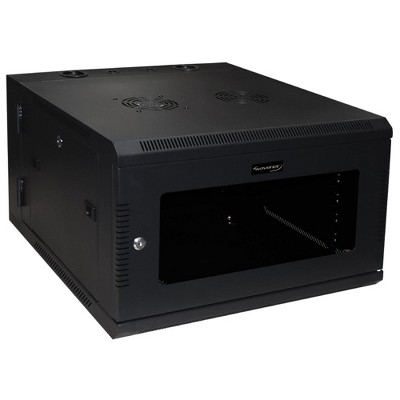
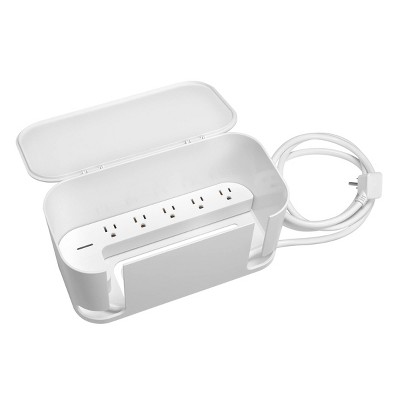
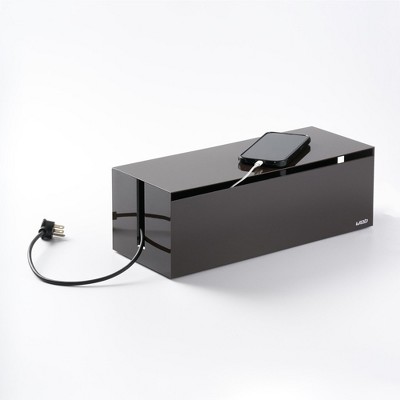
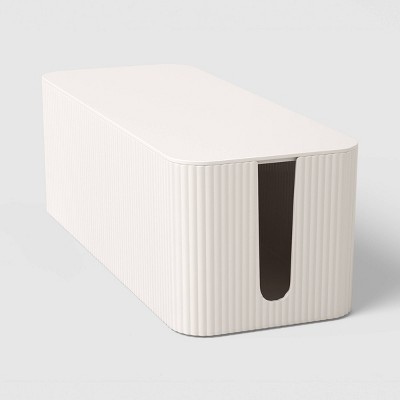
Some cable management boxes include an integrated power strip that converts one wall socket into multiple grounded outlets and provides a longer cord for flexible placement. Certain models also offer surge protection—check the product specifications for a listed joule rating and any safety certifications to confirm the level of protection.
Charging cable holders are commonly made from flexible TPE, silicone/silica gel, rubber (often with a PVC cover) and various basic plastics. Those materials are used across cord collars, silicone desktop organizers, rubber twist ties and simple plastic clips.
Manufacturers recommend cleaning surfaces (for example with rubbing alcohol), applying adhesives only within the specified indoor temperature range (about 50°F–105°F), waiting seven days after painting before applying, avoiding placement over beds or wallpaper, and removing adhesive strips by pulling straight down to minimize damage.
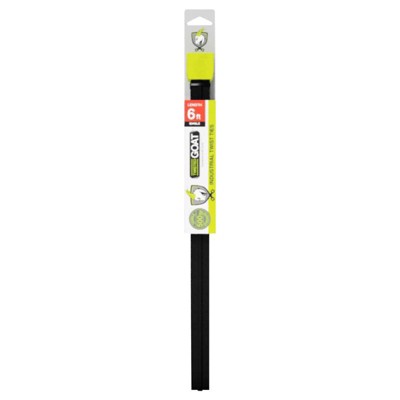
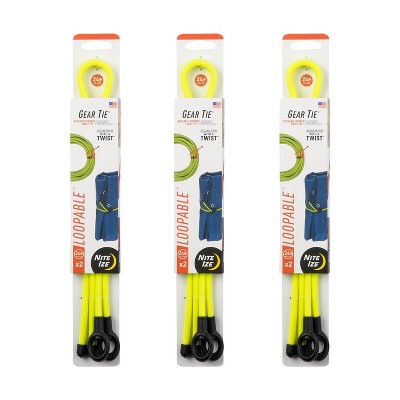
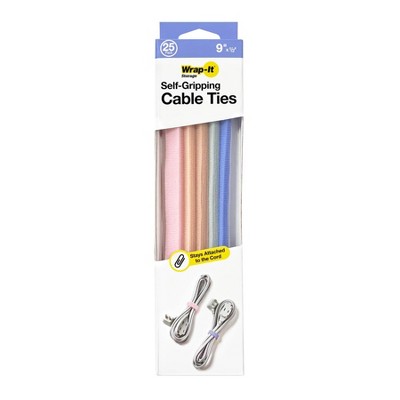
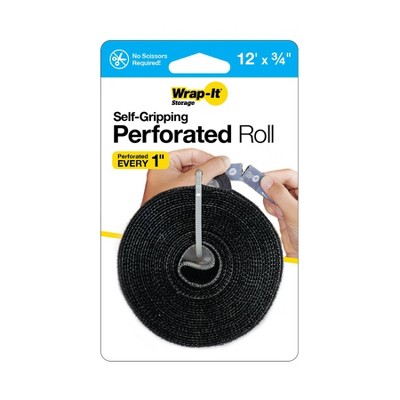
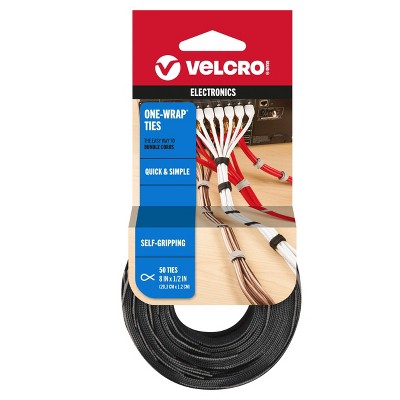
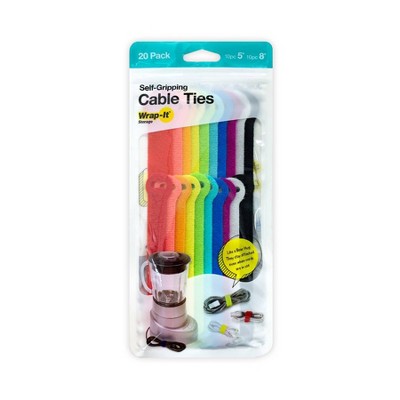
Many ties and wraps use a flexible wire core with a rubber or coated exterior, include a stretch loop or compact form factor for portability, and are described as reusable. Some models are also UV resistant and waterproof for repeated use.