eczema hand cream
189 results for “eczema hand cream”
Powered by AI
Guests also ask:
Trending now
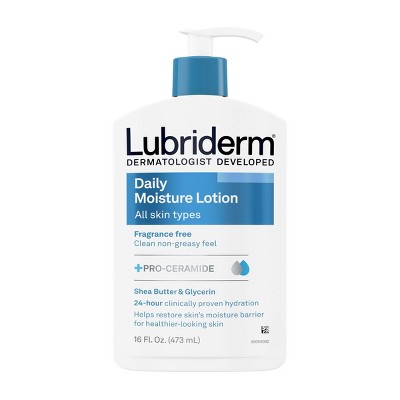
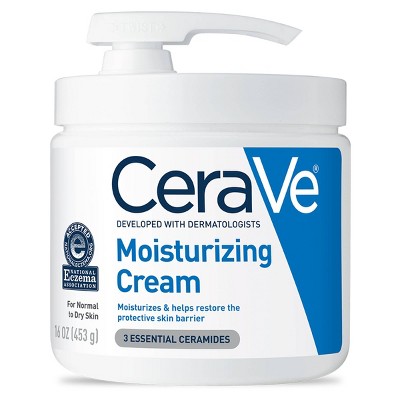
- $9.99($0.56/fluid ounce)Coupon: $3 off4.7 out of 5 stars with 2973 ratings
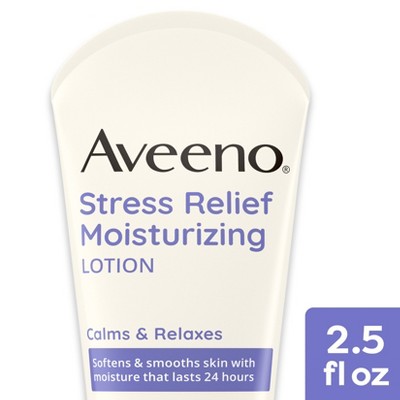
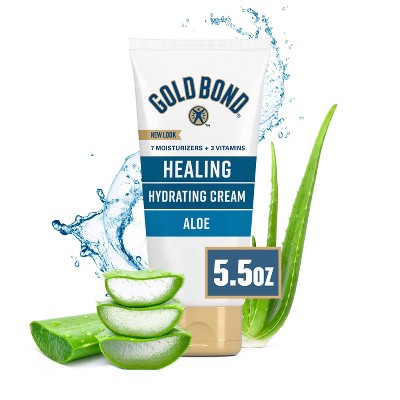
- $8.99($0.56/fluid ounce)Coupon: $3 off4.5 out of 5 stars with 1731 ratings
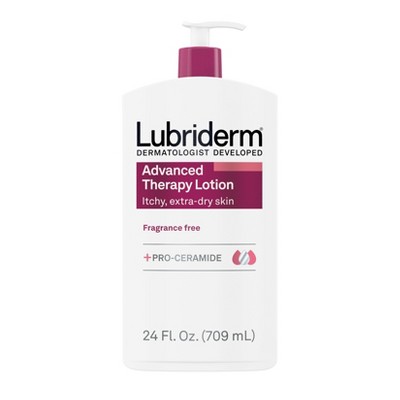
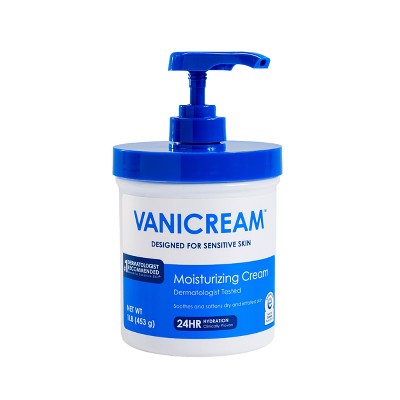
- $10.19($0.42/fluid ounce)Coupon: $3 off4.7 out of 5 stars with 2514 ratings
- $1.69($0.85/fluid ounce)Buy 1, get 1 25% off bath & body care4.1 out of 5 stars with 418 ratings
- $1.99Buy 1, get 1 25% off bath & body care4.8 out of 5 stars with 418 ratings
- $1.99 - $23.99Buy 1, get 1 25% off bath & body care4.3 out of 5 stars with 3544 ratings
- Highly rated$3.99($1.17/fluid ounce)Buy 1, get 1 25% off bath & body care4.2 out of 5 stars with 511 ratings
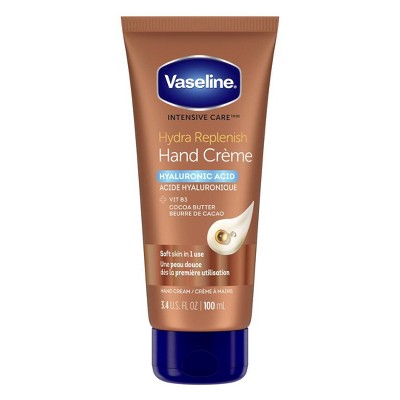
- Highly rated$3.99($1.17/fluid ounce)Buy 1, get 1 25% off bath & body careVaseline Intensive Care Hydra Replenish with Hyaluronic Acid and Cocoa Butter Hand Cream – 3.4 fl oz4.7 out of 5 stars with 949 ratings