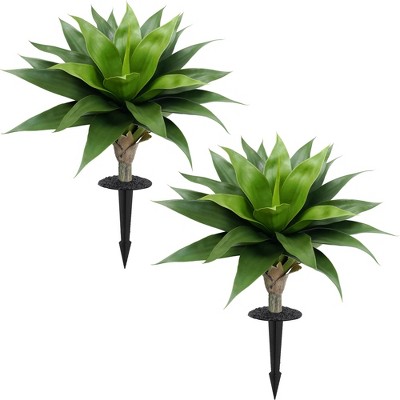
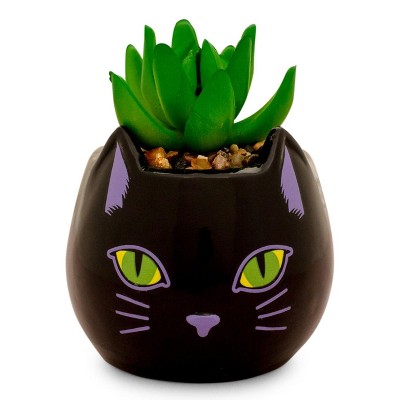
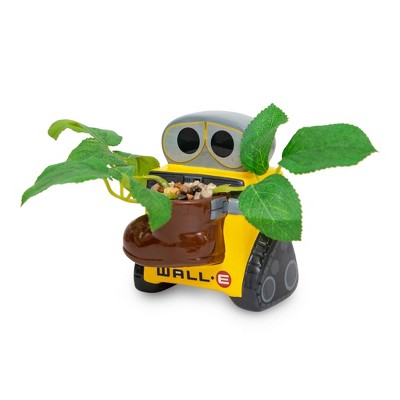
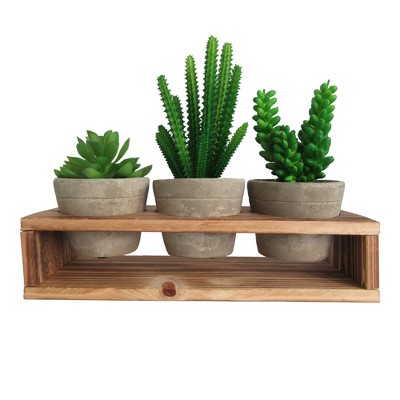
Most artificial trees require minimal assembly—often under five minutes. Typical steps are attaching a few numbered parts, then shaping the flexible, wire‑reinforced branches to achieve the desired fullness.
Stability usually comes from weighted or cement‑filled bases and reinforced filler in the pot. Many listings note cement‑filled or weighted pots specifically designed to prevent tipping, including resisting knocks from children or pets.
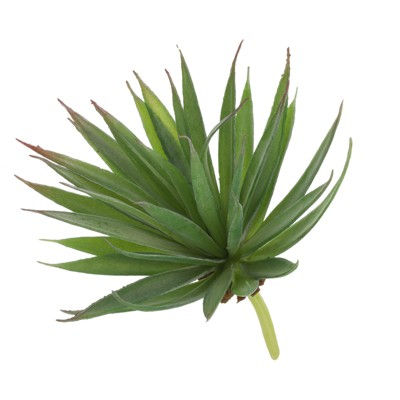
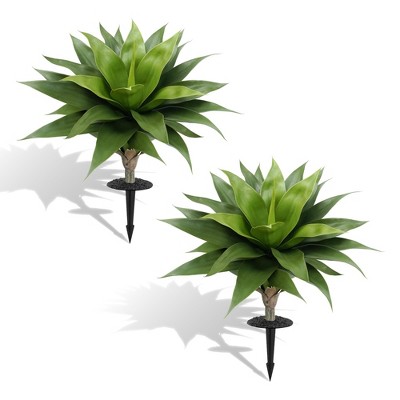
Realistic details include high‑density or handcrafted silk leaves with 3D veining or variegation, matte finishes, hand‑painted trunks with wood‑grain texture, and large leaf counts to create a natural silhouette.
Some tabletop floral arrangements are prelit and are sold as ceramic vase centerpieces sized for tables or counters.
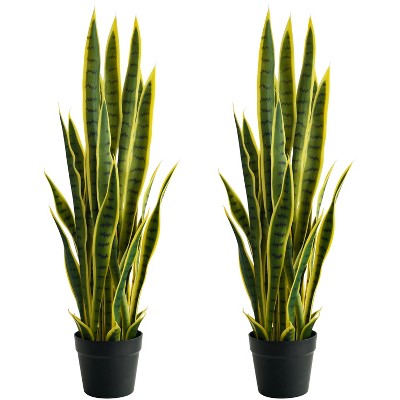
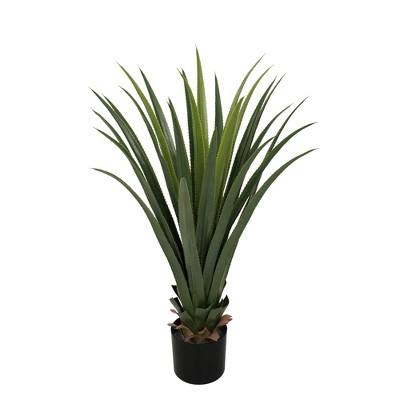
Common heights shown in listings are 5 ft (60 in), 6 ft (72 in), and 7 ft (84 in).
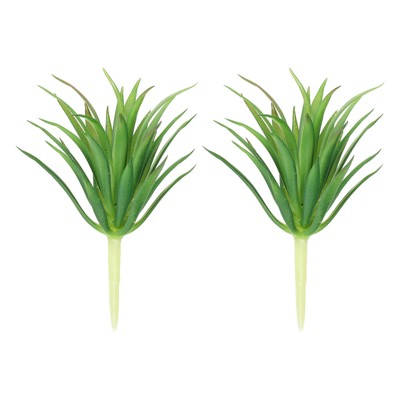
Leaves are typically silk or PVC+PE blends. Stems and branches commonly use metal cores or metal/steel wires, and some trees use natural wood trunks.
Most listings describe these plants for indoor use and freestanding floor placement. Some items are listed for outdoor use or wall placement, but that depends on the specific product.
They require no watering or pruning. Routine care is simple: occasional dusting or wiping the leaves with a damp cloth as needed.
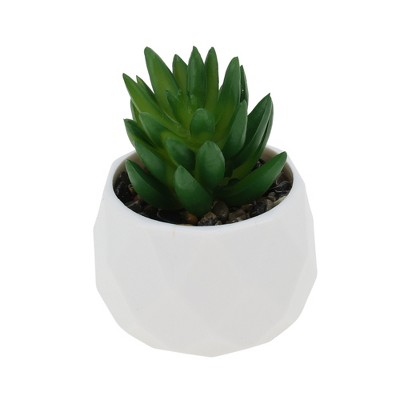
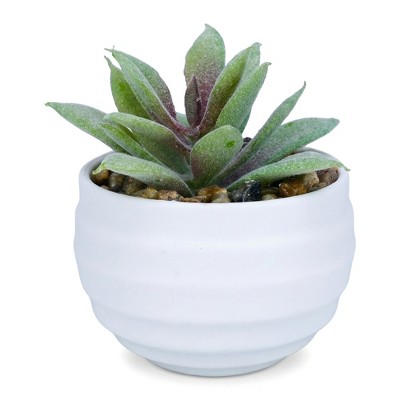
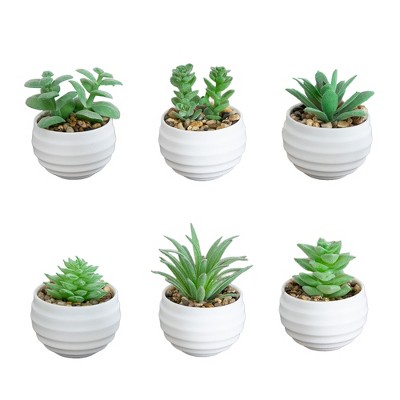
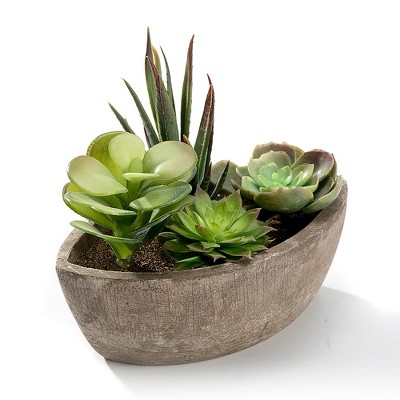
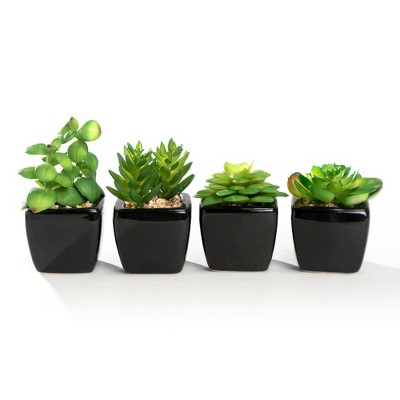
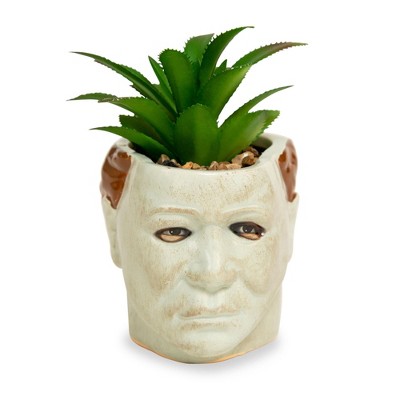
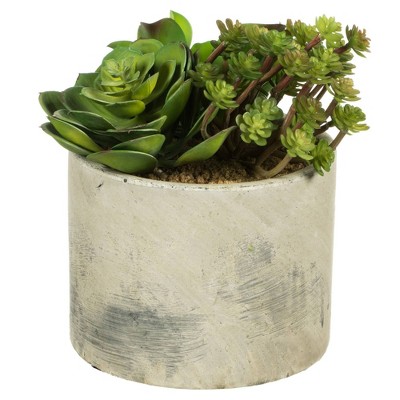
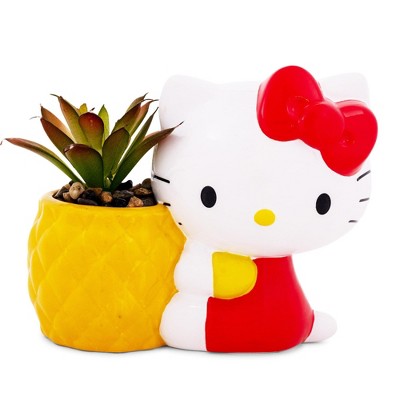
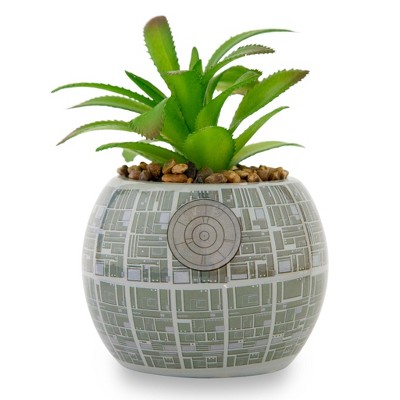
Common inclusions are a weighted or cement‑filled pot or pre‑assembled planter, decorative pebbles or a moss mat/bag, and an assembly guide. For floral arrangements, silk bundles and a vase are often included.