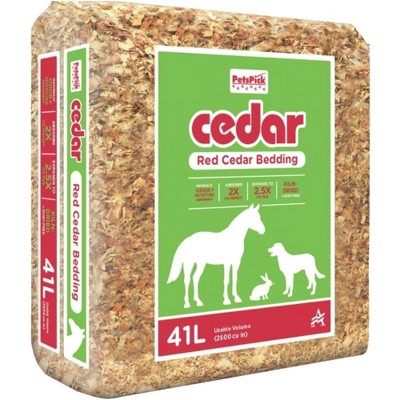
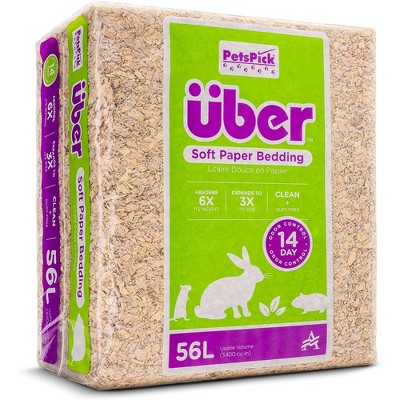
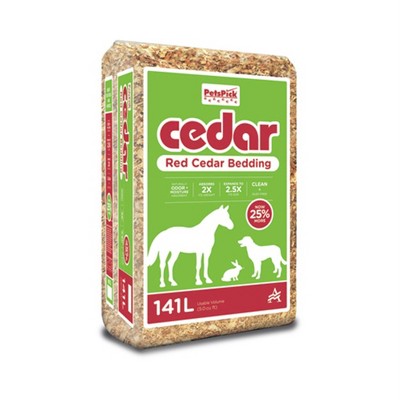
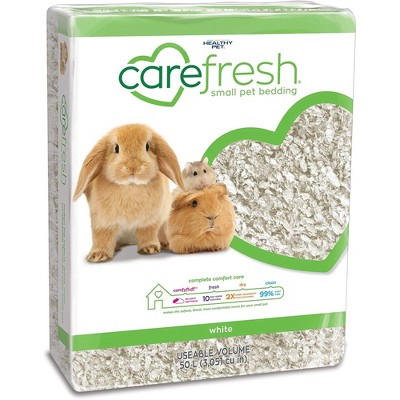
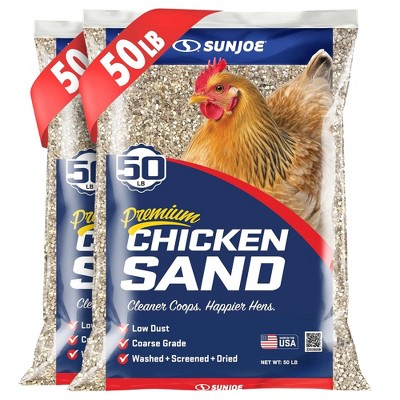
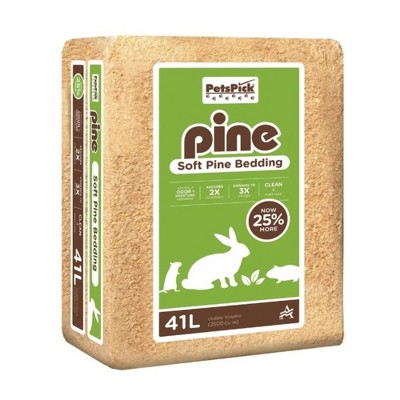
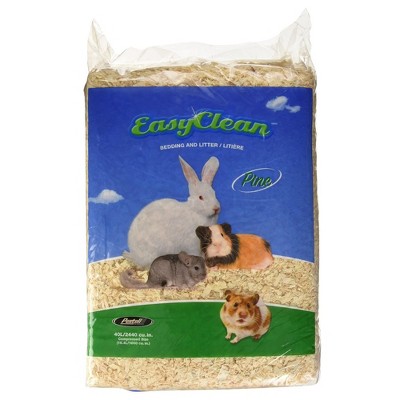
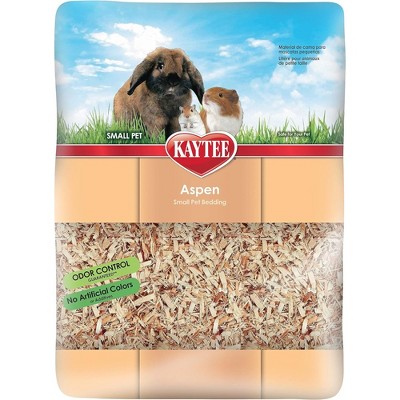
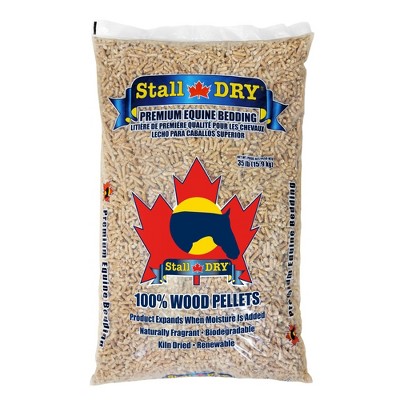
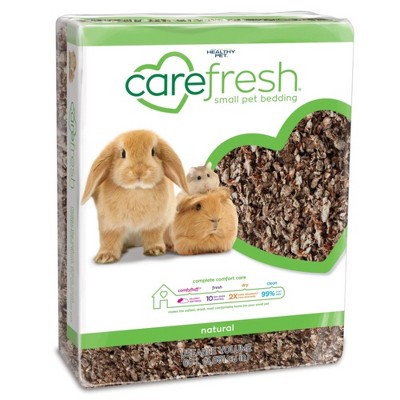
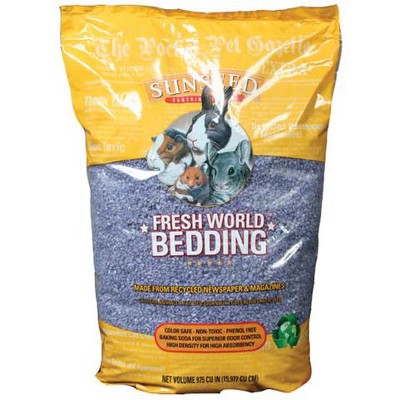
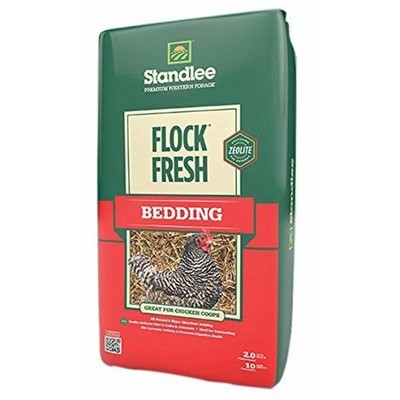
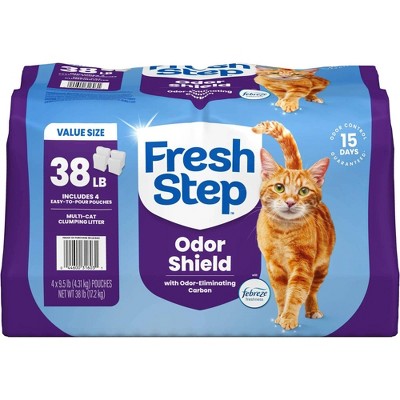
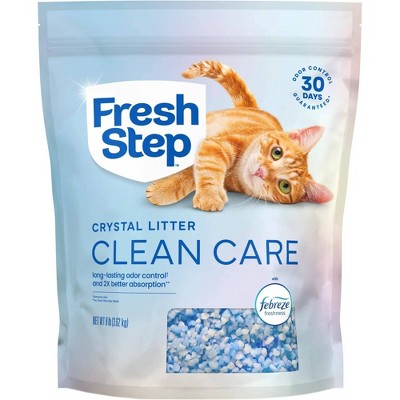
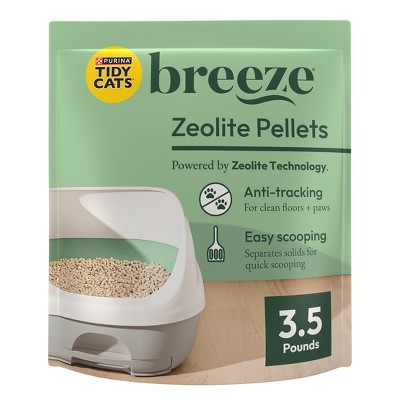
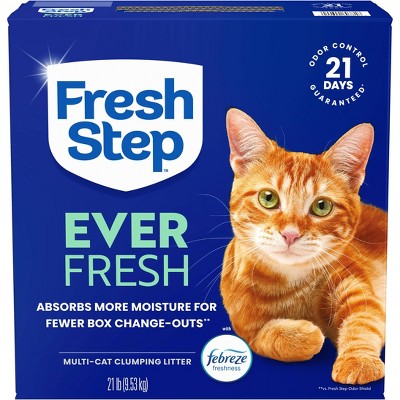
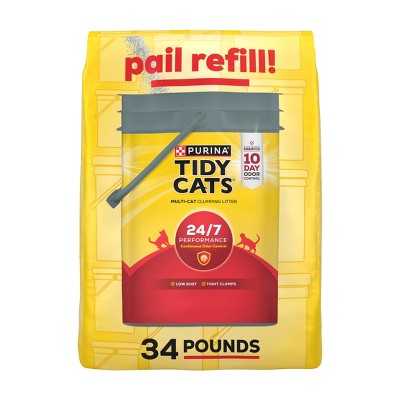
Common materials are silica crystals (highly absorbent and trap moisture), clay (typically a clumping material that forms firm scooped clumps), and wood/pine shavings (lightweight, natural absorbents often sold fragrance-free). Each material differs in absorbency, weight, and how waste is handled (clumping vs. absorb-and-replace).
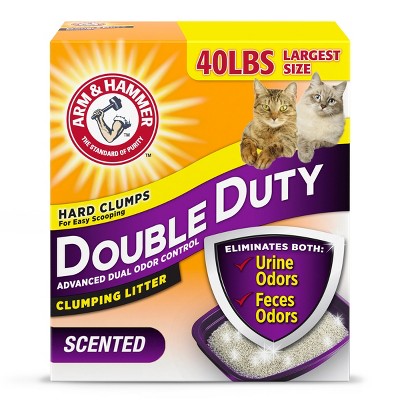
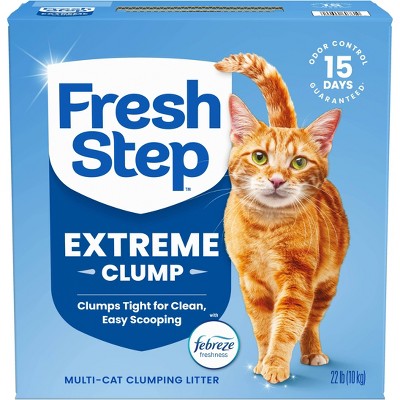
Many cat litters are clumping clay formulas that form tight, scoopable clumps for easy daily scooping. Non-clumping options—such as silica crystals or pine pellets—mainly absorb moisture and typically require removing solids and periodically stirring or replacing the entire litter bed rather than scooping clumps.
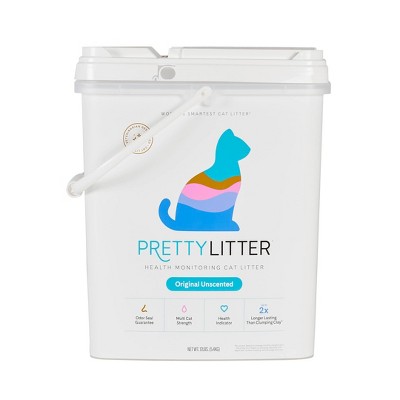
Yes — at least one litter type includes a color-changing urine indicator designed to help monitor cat health by changing color for potential urinary issues. Reviewers note that this color-change feature can add value as a simple way to spot possible problems early.
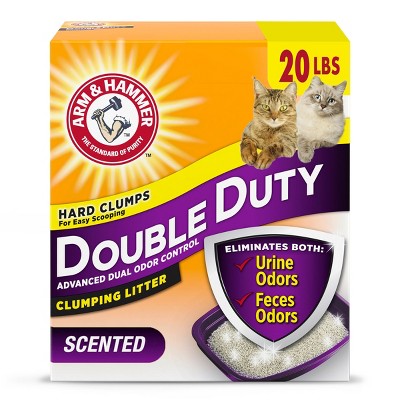
Common package weights shown in listings include 8-pound and 20-pound bags, with larger bulk options such as 35-pound bags also available.
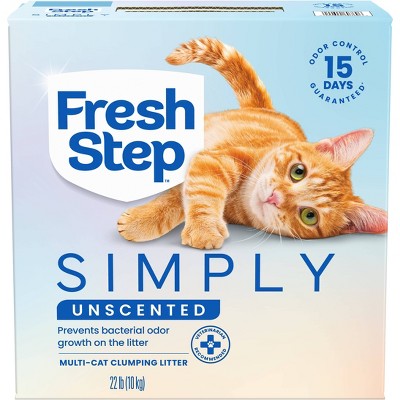
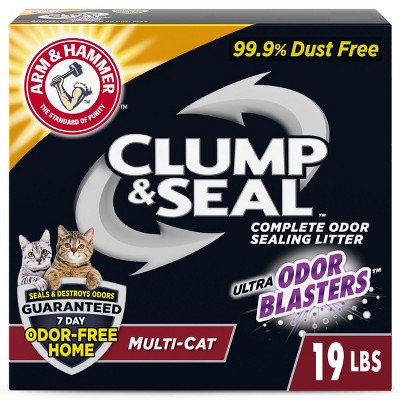
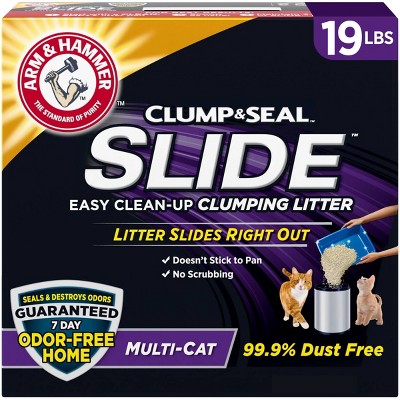
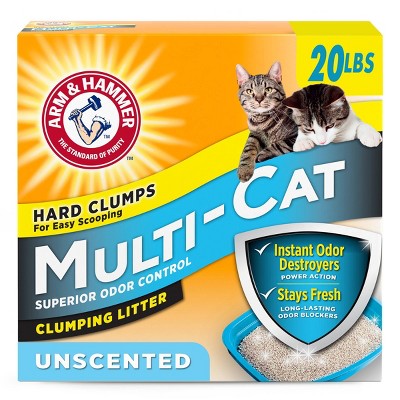
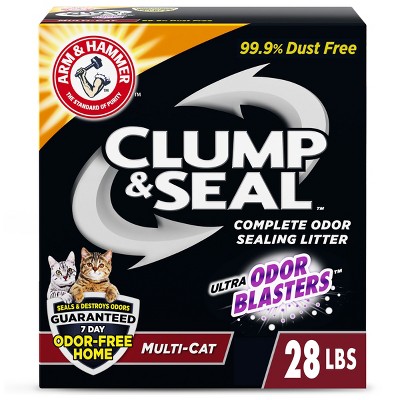
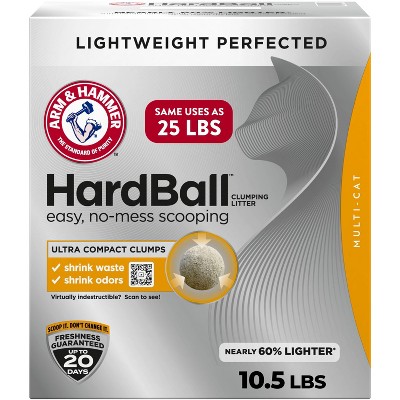
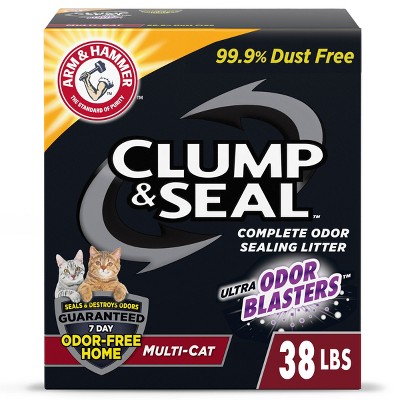
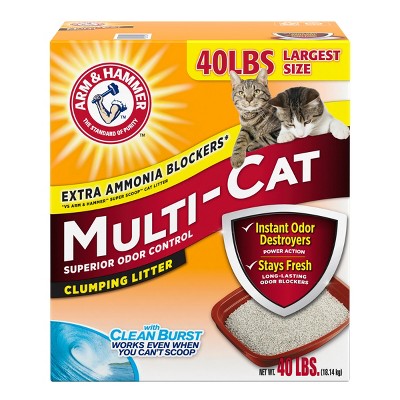
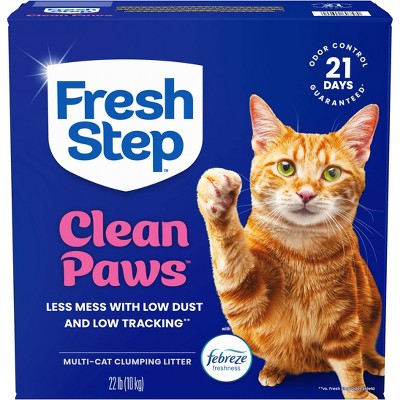
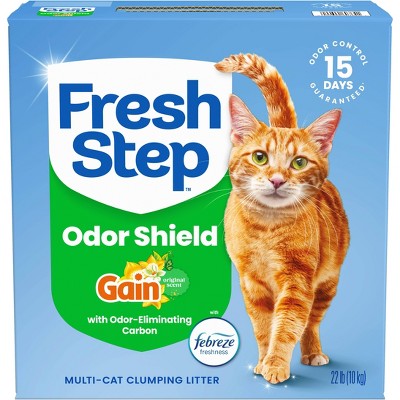
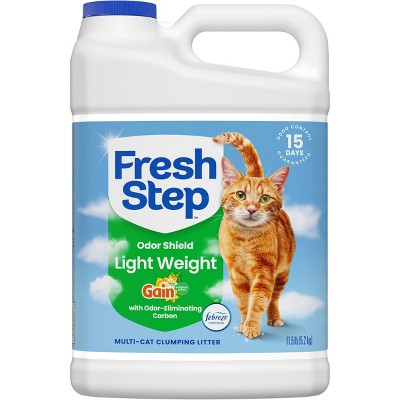
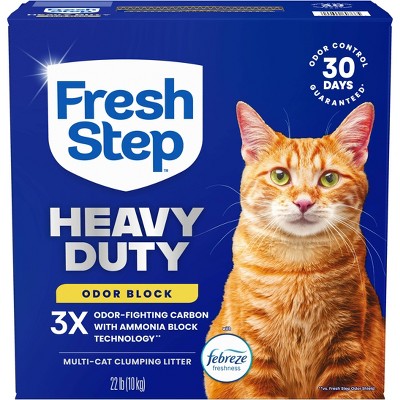
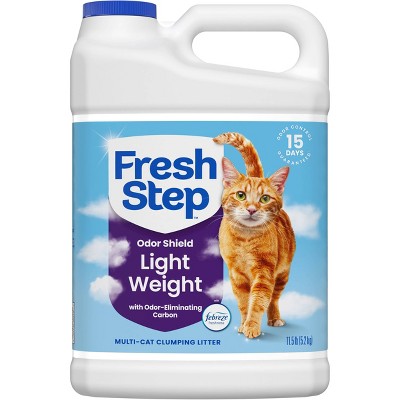
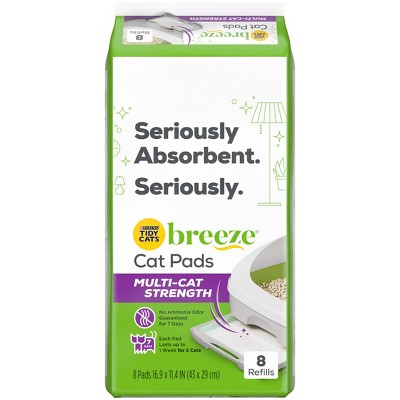
Several products are marketed as suitable for multi-cat homes, with packaging and descriptions labeling them 'multi-cat' or indicating formulations designed for heavier use and increased odor control.
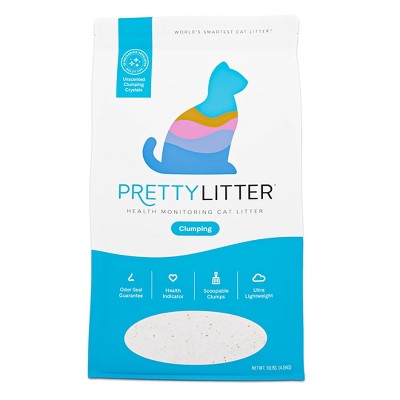
Clumping clay litters form firm clumps that simplify daily scooping. Non-clumping silica/crystal litters absorb moisture, so you usually remove solids and either stir or replace the bed on a schedule. Pine pellets absorb and can break down over time; some silica products emphasize that you only need to 'scoop the poop.'