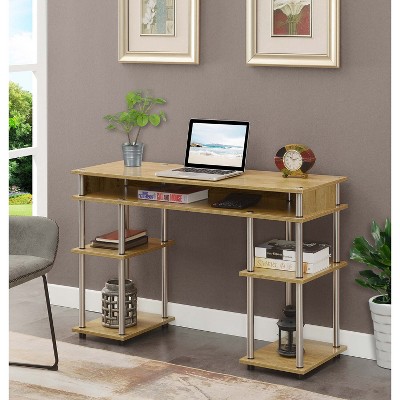
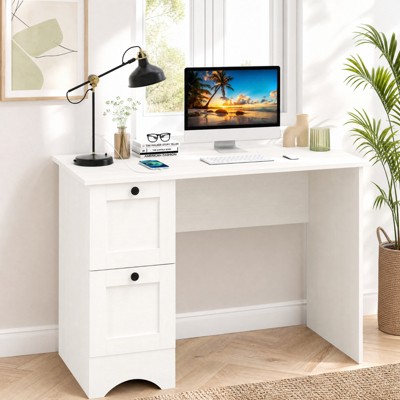
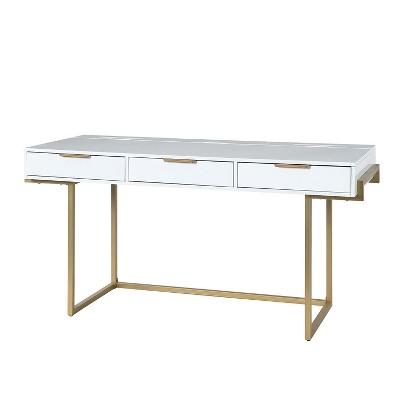
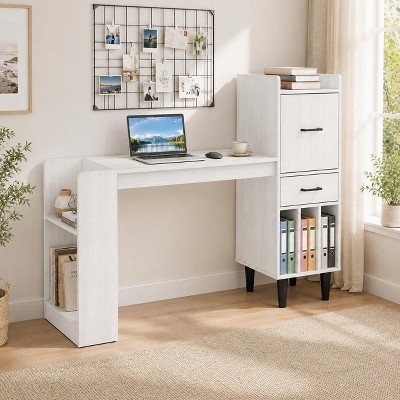
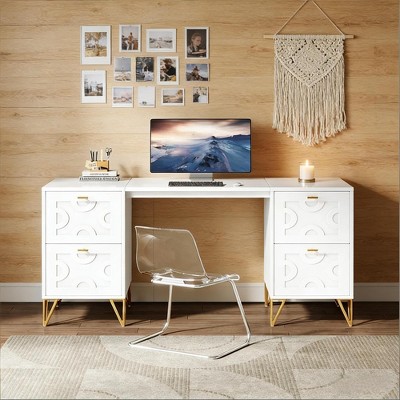
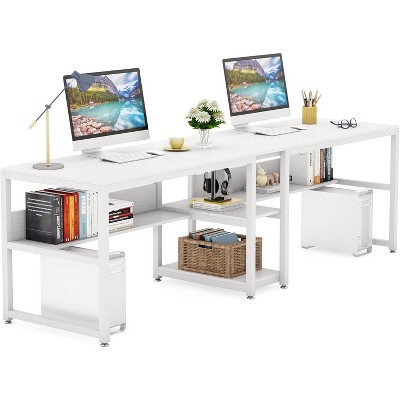
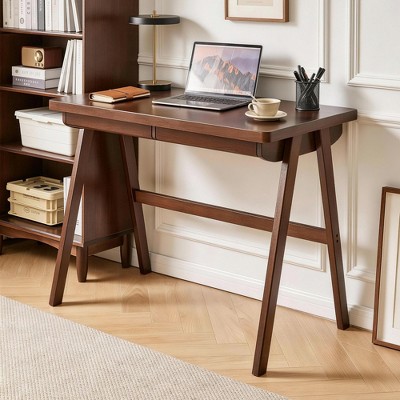
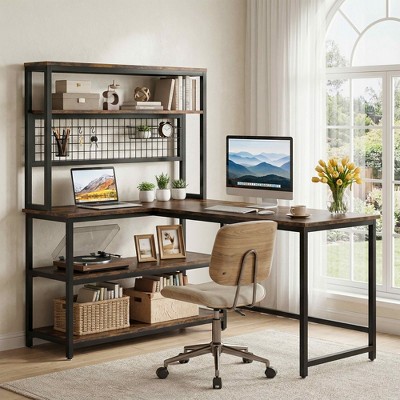
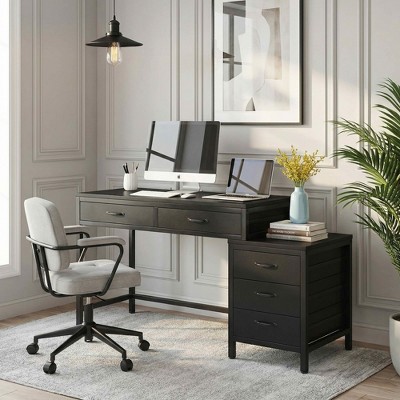
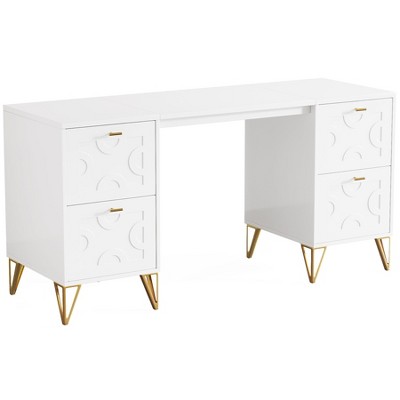
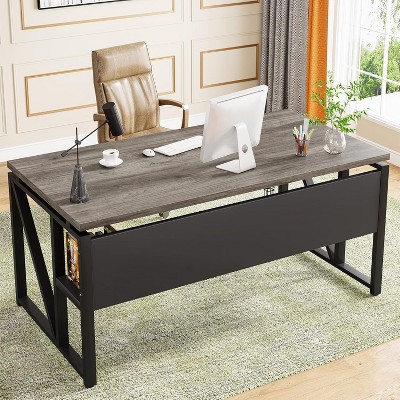
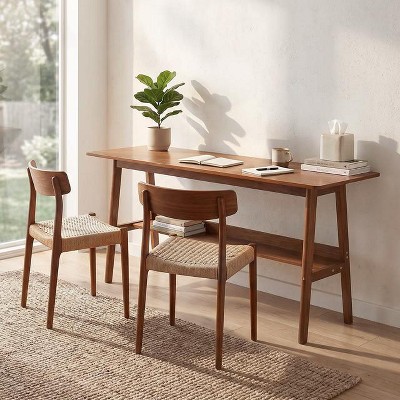
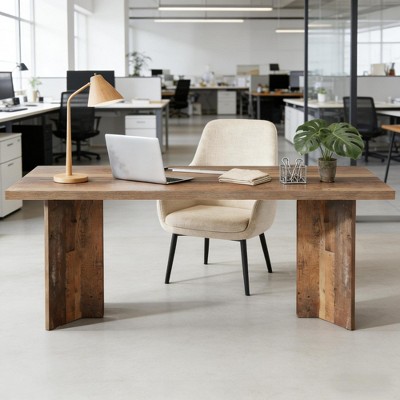
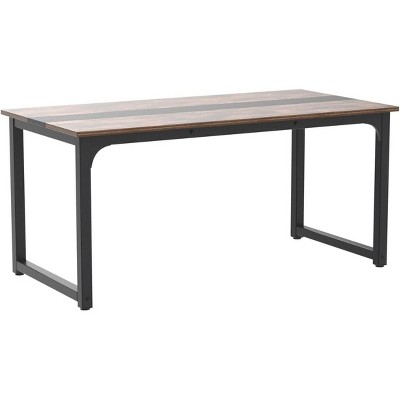
Frame materials in the listings are metal or steel alloy. Desktop/surface materials include particle board, MDF (medium-density fiberboard), and wood across different models. Check the product page for the exact material and finish for each desk.
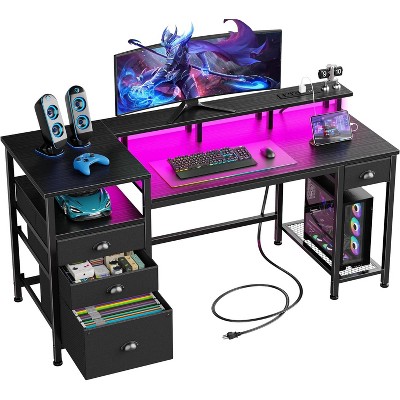
LED-equipped desks include RGB strips with multiple colors and dynamic modes. Examples in the listings mention light strips with 20 colors, 22 dynamic modes, 5 brightness levels and 10 rhythm settings; another listing cites over 60,000 colors and 29 dynamic modes controllable via an app. Controls vary by model (on-desk buttons, remote, or app).
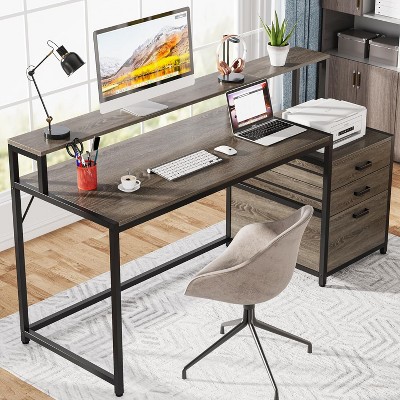
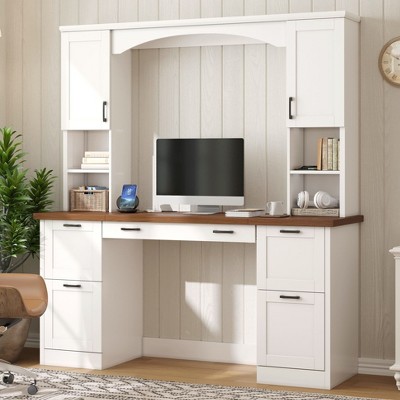
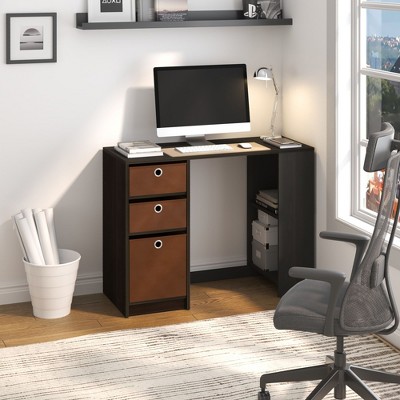
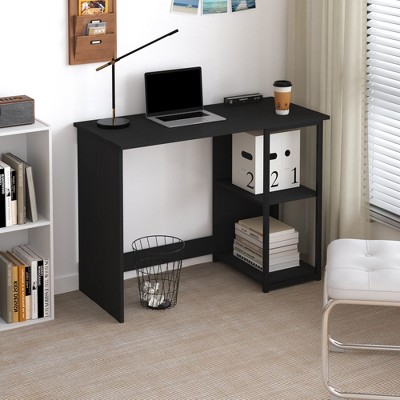
Storage varies widely between models. Some L-shaped desks include tiered fabric drawers and a fabric file cabinet sized for letter/A4 documents, plus under-desk shelves and printer racks. Other models offer no built-in storage. Review each product’s specifications to confirm available storage solutions.
Load capacities vary by model. Examples in the data show maximum support values such as 176 lbs, 200 lbs, and 225 lbs. Always check the specific desk’s weight rating to ensure it meets your setup requirements.
Assembly requirements differ by model. Some desks require adult assembly and include some tools, some require adult assembly with no tools needed, and at least one listing states no assembly required. Review each product’s assembly notes to see what’s included and what tools (if any) you’ll need.
Listings mention several cable-management and accessory features: cable-routing holes, hooks for headphones or bags, under-desk shelves and printer racks, monitor risers, and built-in power stations. These features help keep cables and peripherals organized; availability varies by model, so check individual listings.