Target New ArrivalsHalloweenChristmasGift IdeasClothing, Shoes & AccessoriesHome & DecorKitchen & DiningPatio, Lawn & GardenGroceryHousehold EssentialsBabyBeautyTarget Beauty StudioPersonal CareSports & OutdoorsPetsHealthWellnessSchool & Office SuppliesToys & GamesElectronics & TechVideo GamesBooks, Music & MoviesParty SuppliesGift CardsShop by CommunityTarget OpticalDealsClearanceNew ArrivalsBack to SchoolCollegeTop DealsTarget Circle DealsWeekly AdShop Order PickupShop Same Day DeliveryRegistryRedCardTarget CircleFind Stores
Powered by AI

Guests also ask:

Monk fruit sweeteners are offered as powdered blends and as granulated, ready-to-use packets. Both loose powdered formats and single-serve granulated packets appear in the results.

Common dietary labels include Organic Certified, Non-GMO Project Verified, Kosher, and Keto Certified—these appear across different monk fruit options.

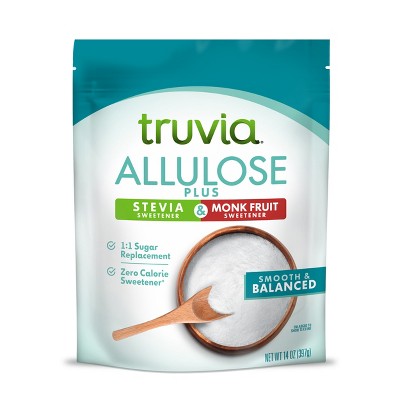
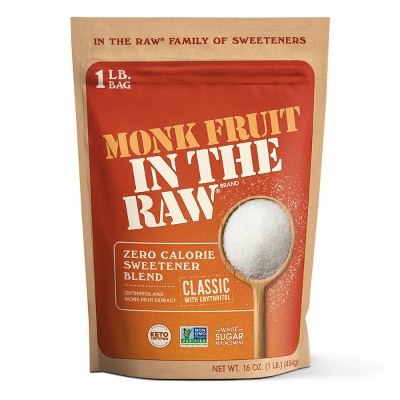
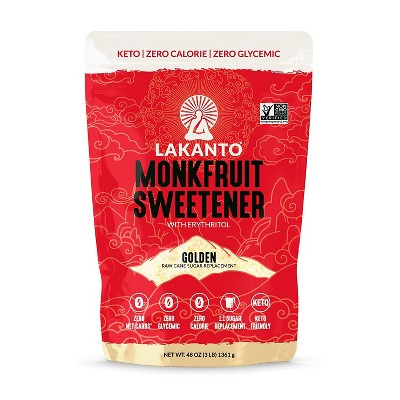
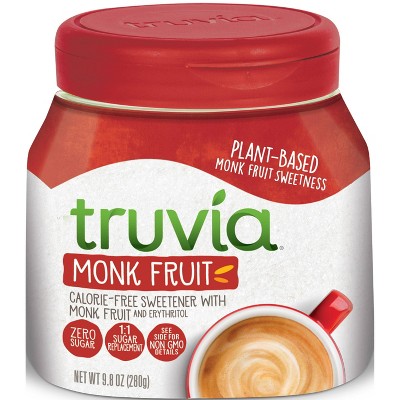
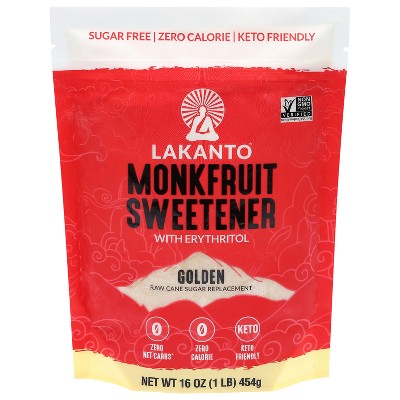
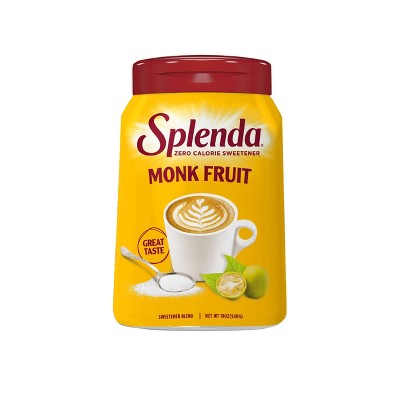
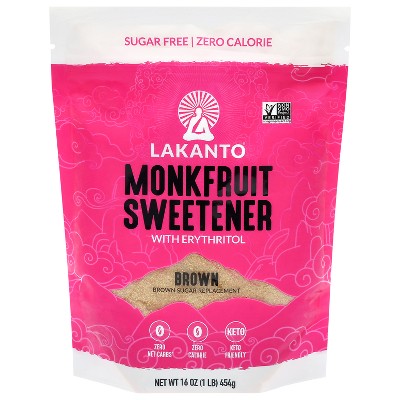
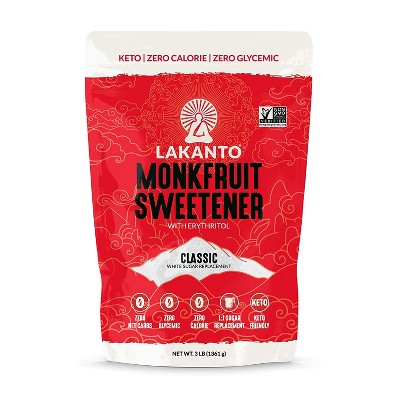
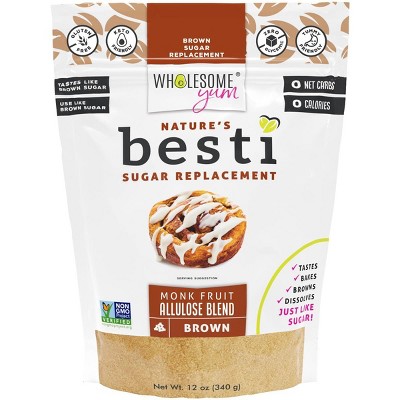
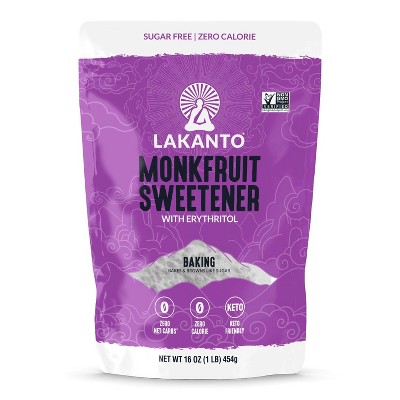
Both types are available: some products are formulated without erythritol (pure monk fruit or monk fruit with allulose), while other options are blends that explicitly include erythritol.

The listings show a range of net weights, including 12 ounces, 10 ounces, 5 ounces, 3 ounces, 3.17 ounces, and 1 ounce. One boxed option is described as containing 30 packets.

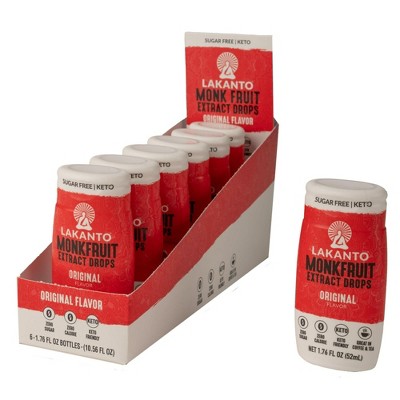
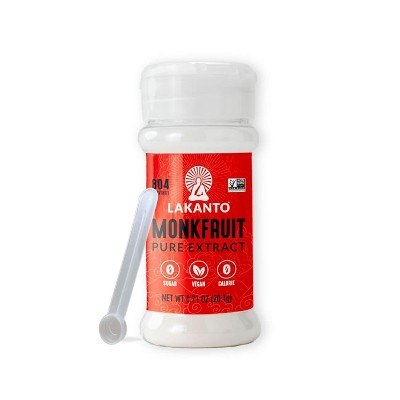
Options range from pure monk fruit extract to blends that pair monk fruit with allulose or with erythritol; both pure-extract and blended formulations are represented.

Many descriptions state zero calories and zero or low glycemic impact; some listings also note zero net carbs.

Skip to next section

Get top deals, latest trends, and more.