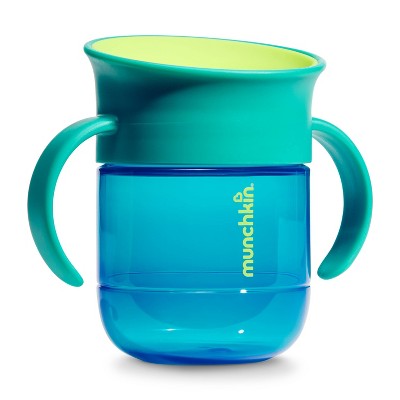
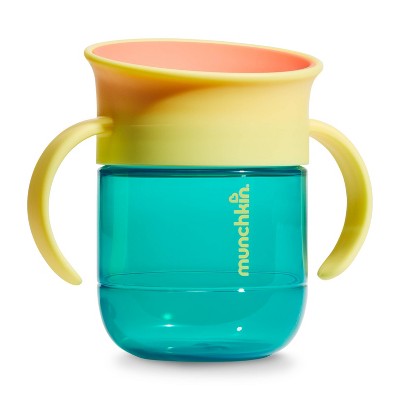
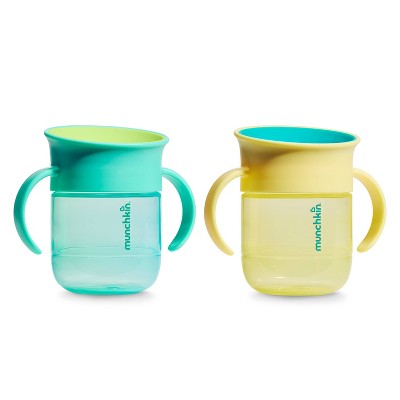
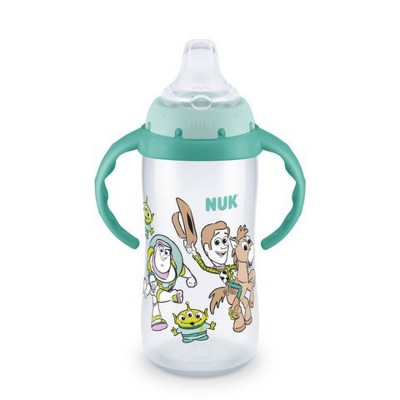
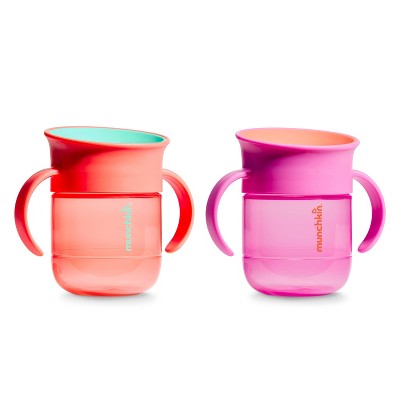
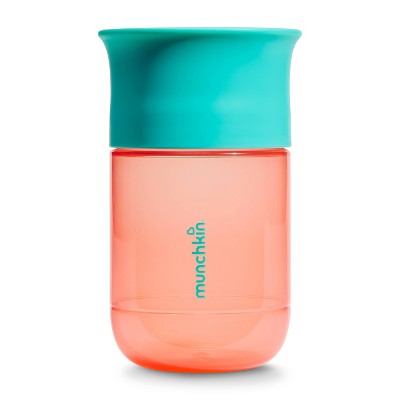
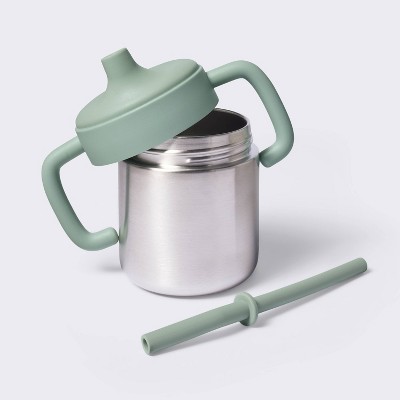
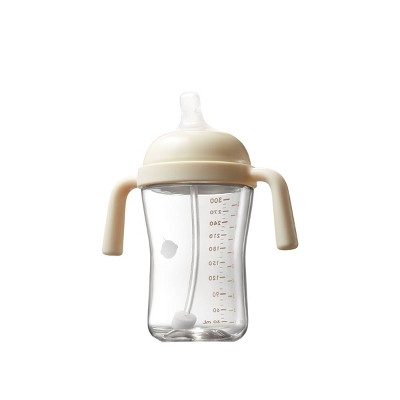
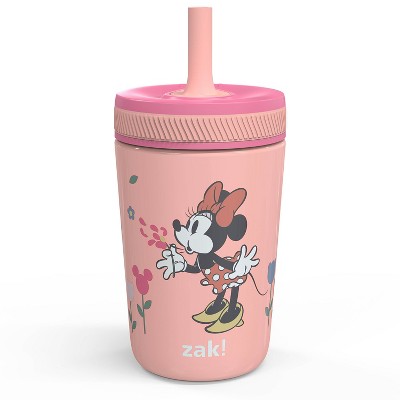
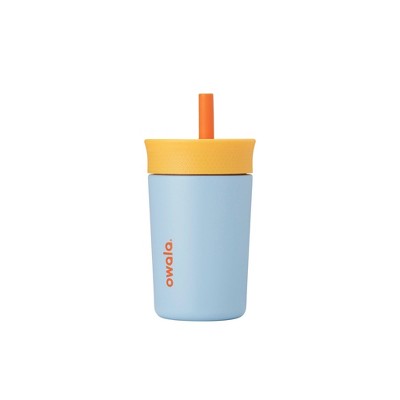
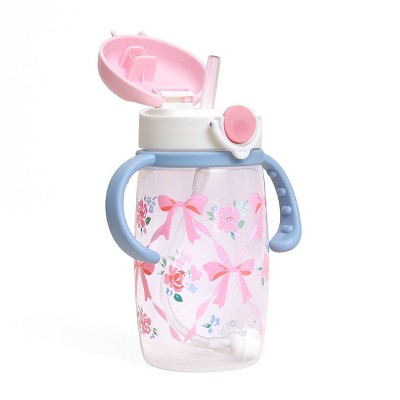
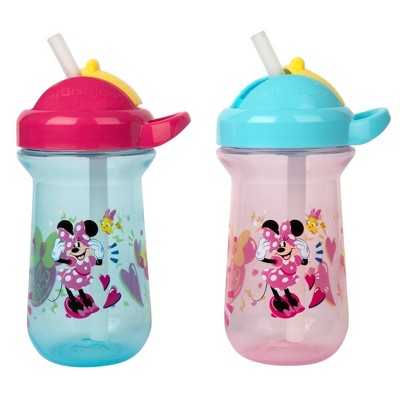
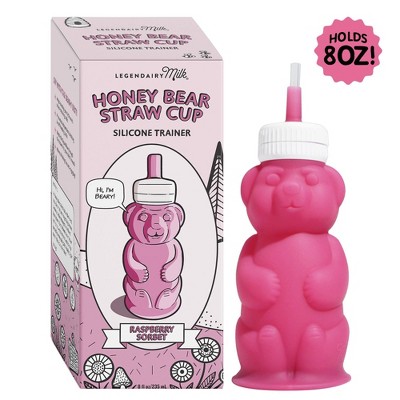
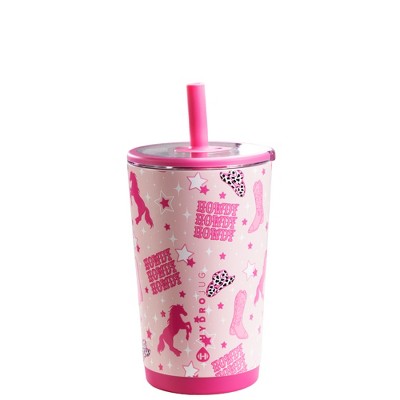
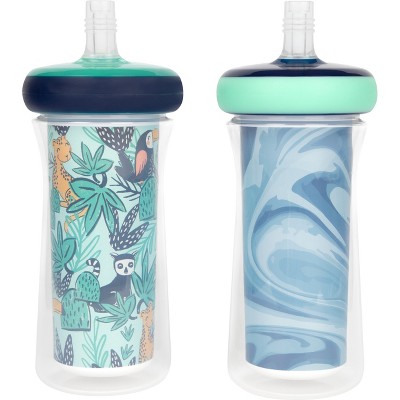
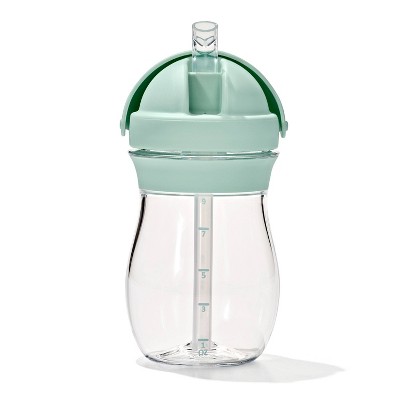
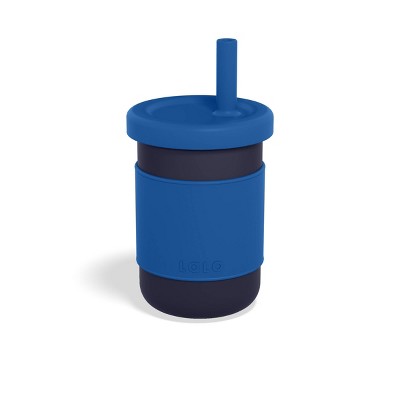
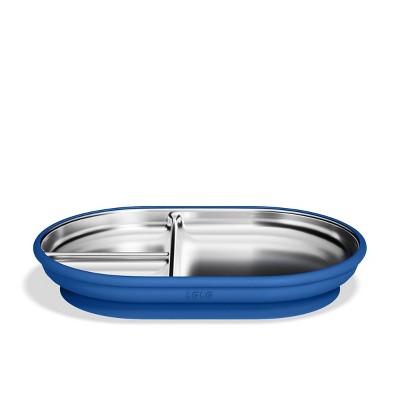
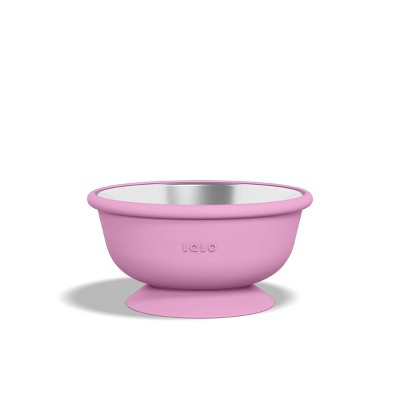
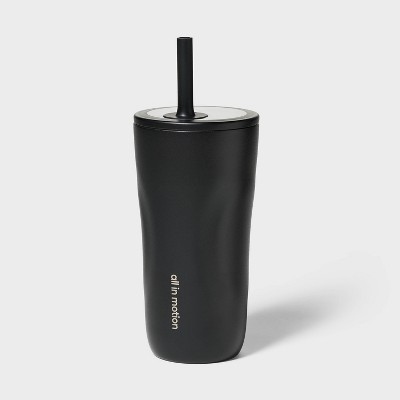
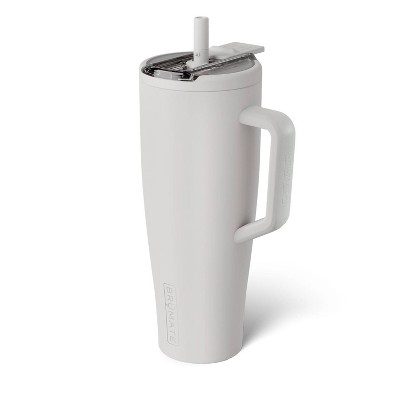
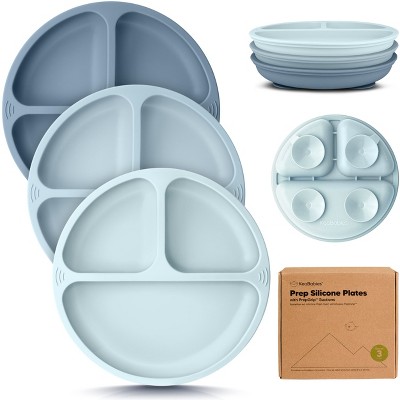
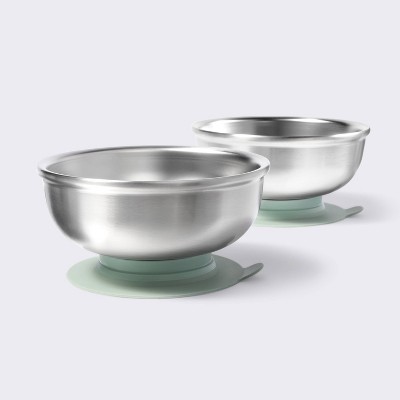
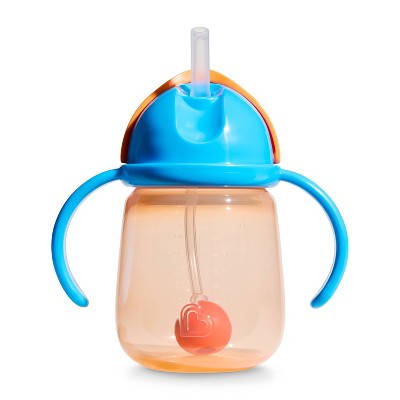
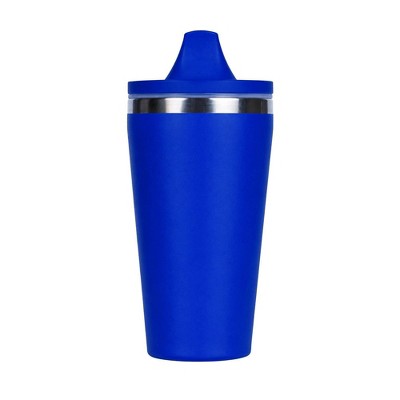
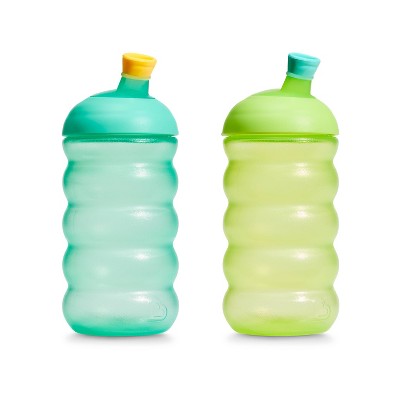
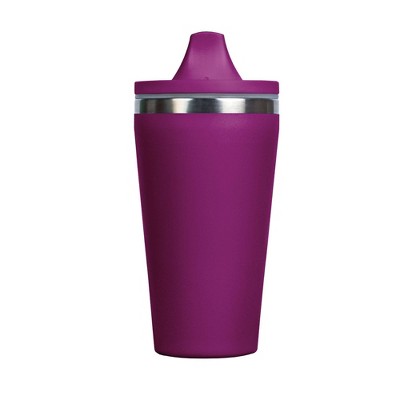
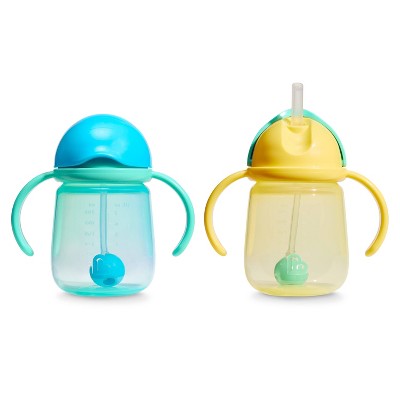
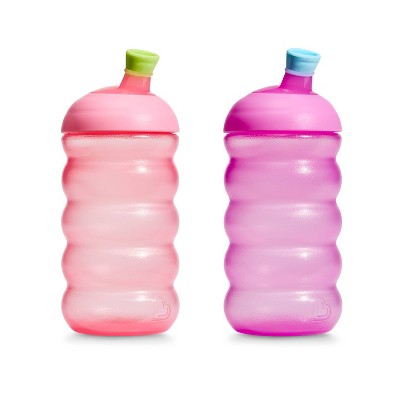
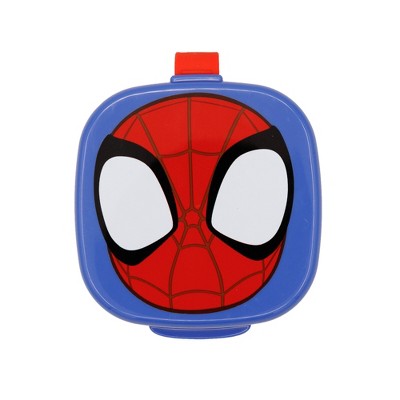
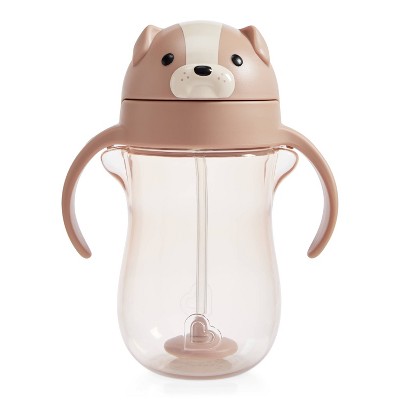
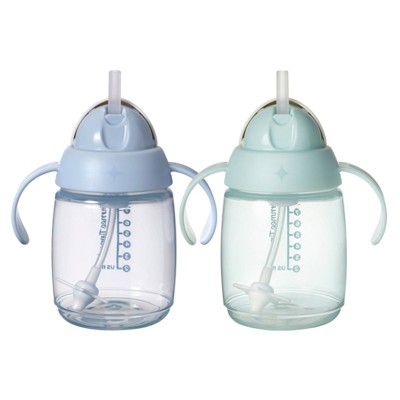
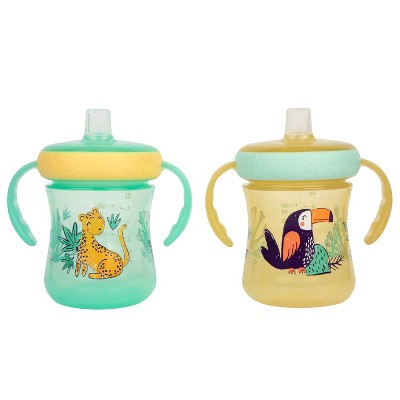
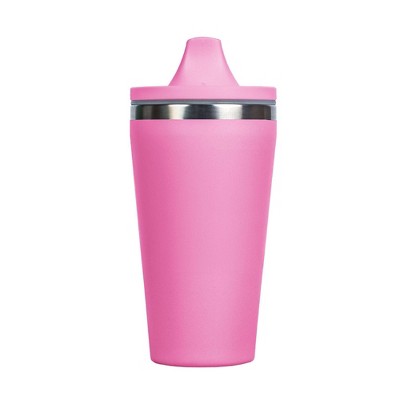
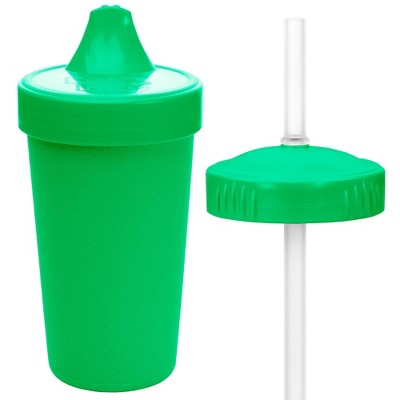
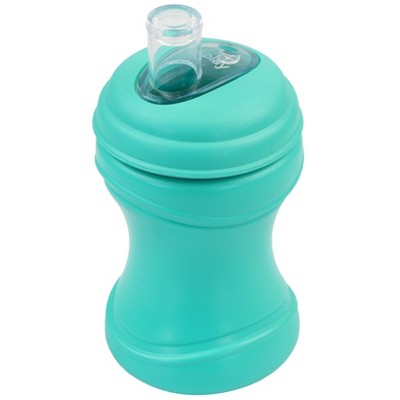
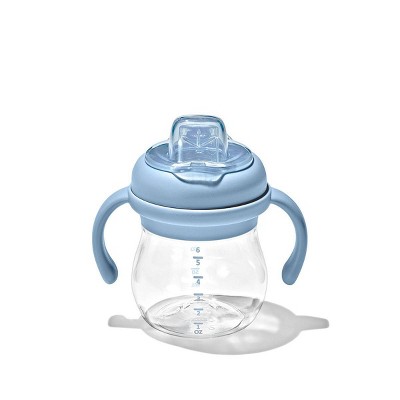
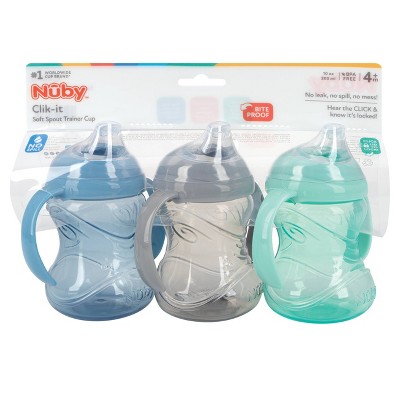
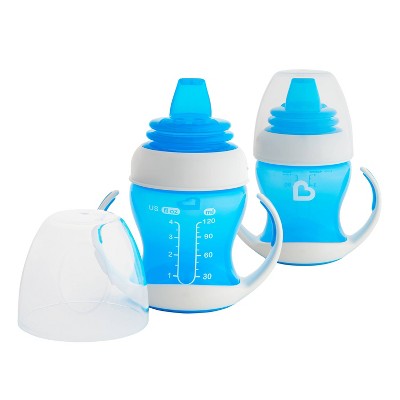
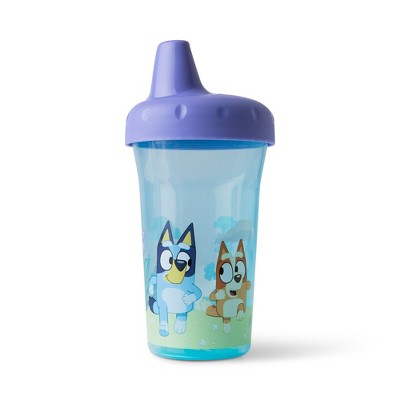
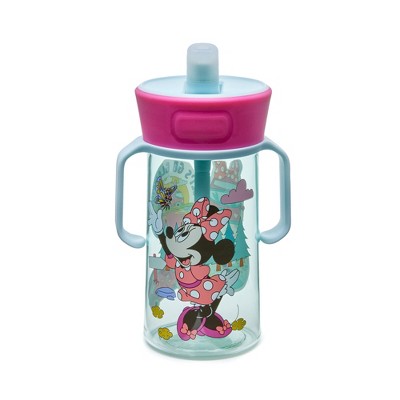
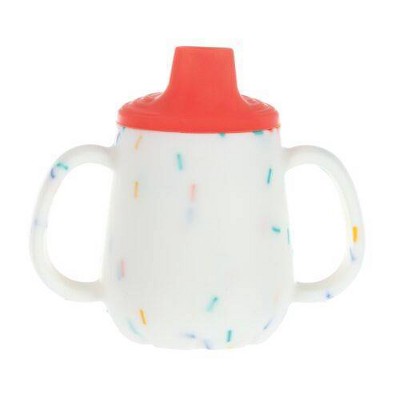
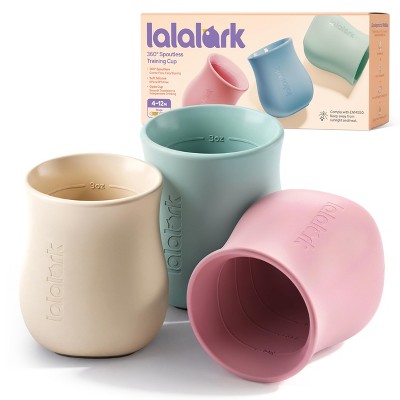
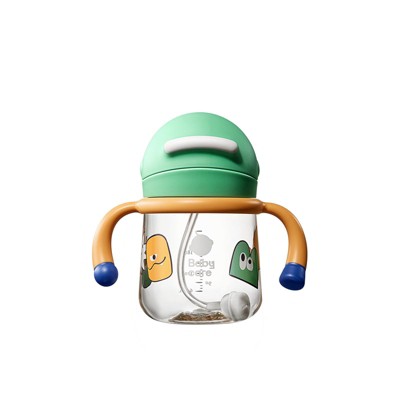
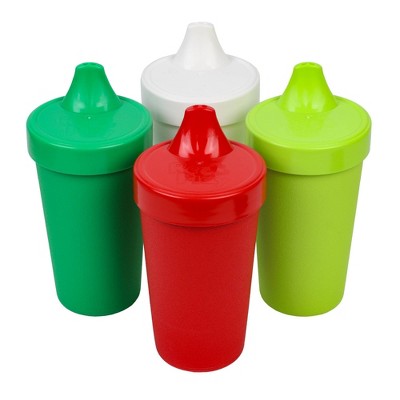
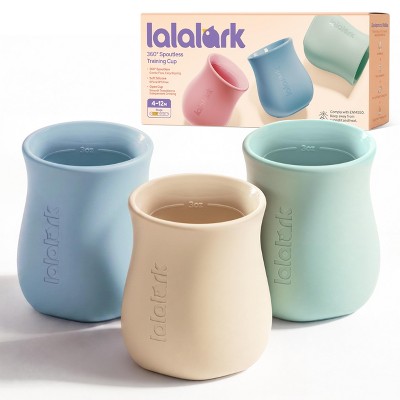
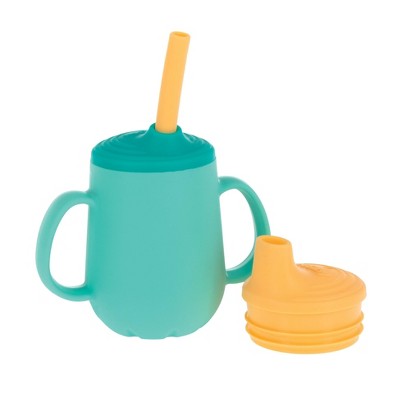
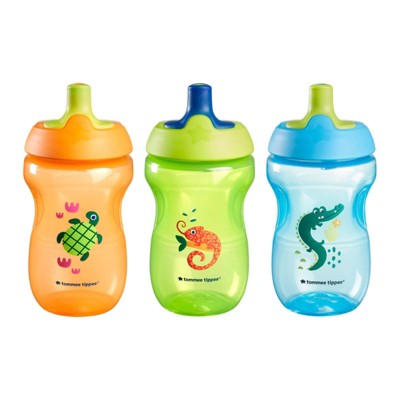
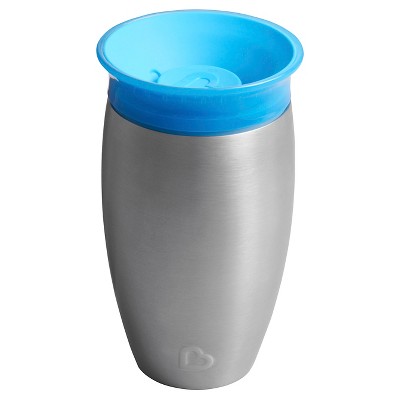
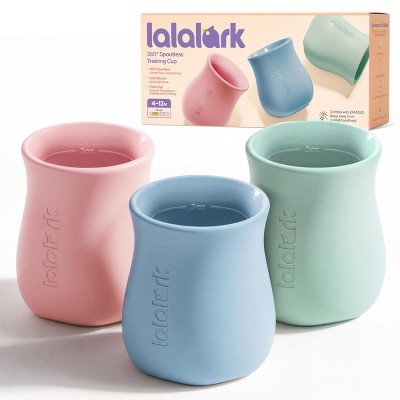
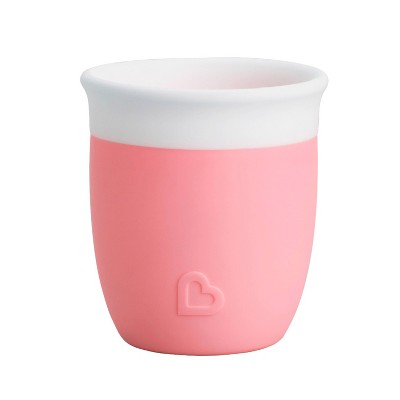
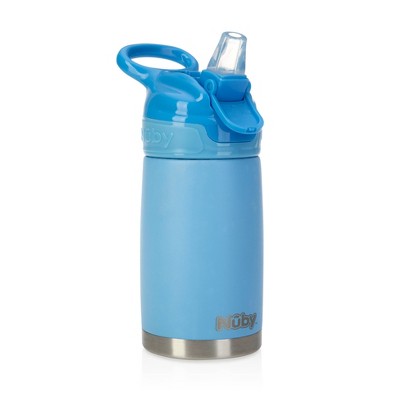
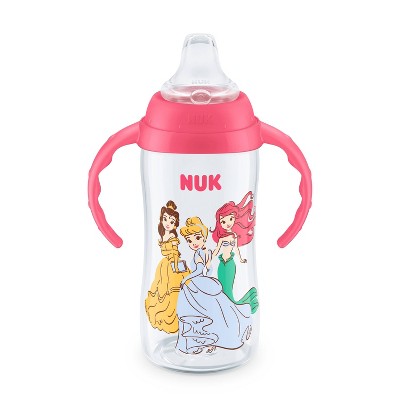
Common materials include stainless steel, various plastics (often polypropylene), silicone, and combinations such as silicone components paired with polypropylene bodies. Many cups mix materials—for example, a stainless-steel body with a silicone spout or silicone seals—to balance durability, safety, and soft drinking surfaces.
Non-spill baby cups are offered in several standard sizes. Typical capacities include about 5 oz, 7 oz, 8 oz, 9 fl oz (US), and 10 oz—so you’ll find options across that range to suit infants through toddlers.
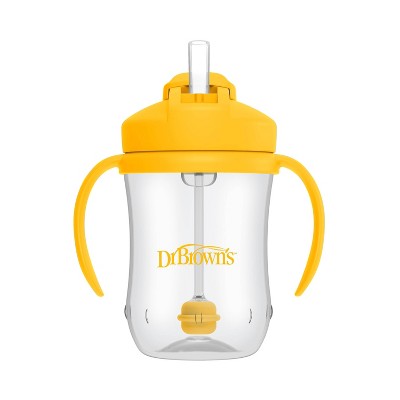
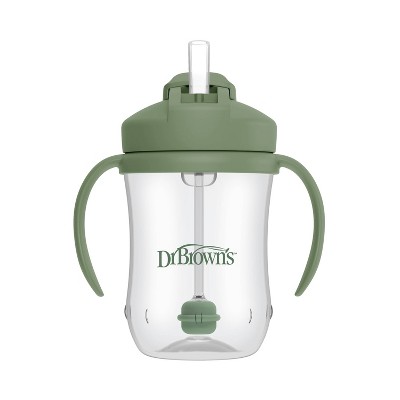
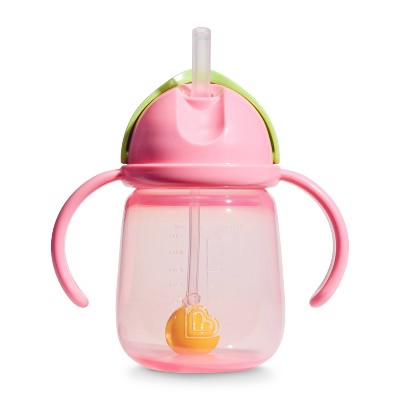
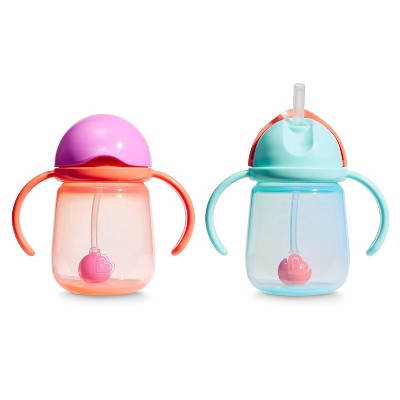
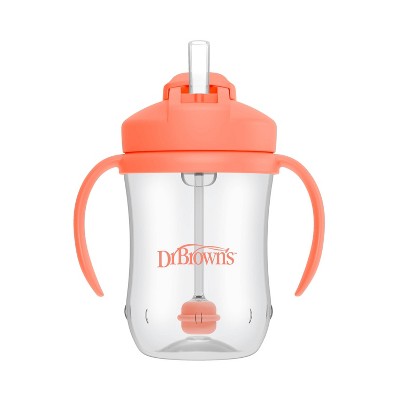
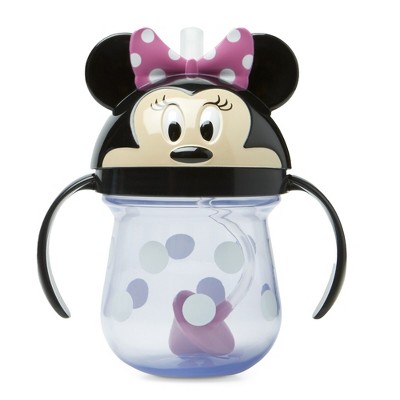
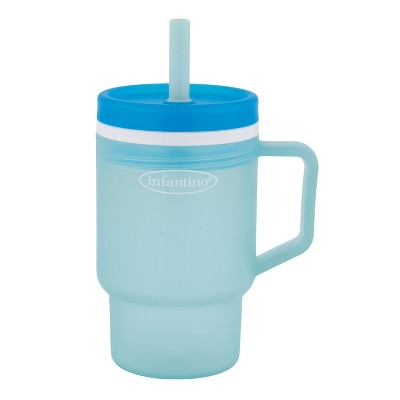
Straws often include one-way valves or flow-control features to prevent leaks and limit dribbling. Weighted straws move with the liquid so children can sip at any angle. Many use soft silicone for comfort and have peel-open or removable designs to aid cleaning.
Recommended ages vary by brand and model. Common age labels you’ll see include ranges such as 0–24 months, 6 months and up, 12 months and up, and 18 months and up. Check the manufacturer’s guidance for a specific cup to match it to your child’s feeding stage.
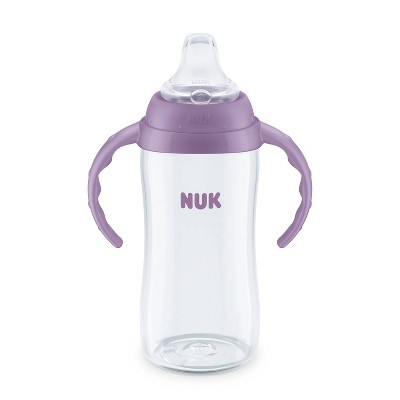
Grip-friendly features include removable or fixed handles, molded side grips, non-slip silicone surfaces, contoured shapes that fit small hands, and wide, weighted bases for added stability.
Reviews generally describe these cups as leak- or spill-resistant and useful for helping children transition from bottles, but reliability varies. Common notes include occasional leaks, lids popping off after drops, or minor dribble if parts aren’t assembled correctly—so proper assembly and periodic checks of seals/valves matter.