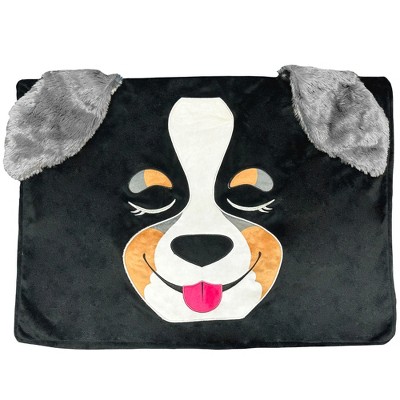
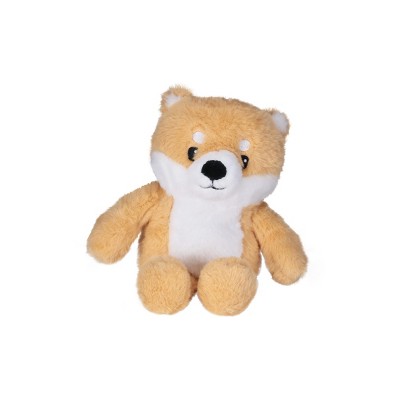
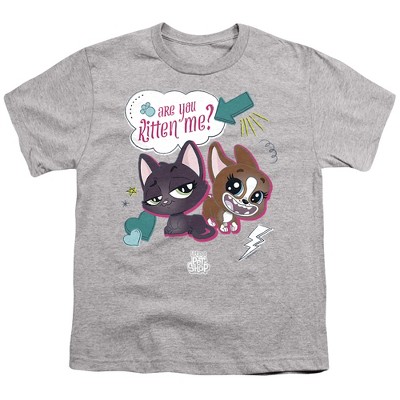
The results include several types: electronic plush and interactive toy pets, small robotic or bug-style toys, handheld/digital virtual pets, and a console pet-simulation video game.
Product details show a variety of battery requirements, commonly: 2 AA, 3 AA, 4 AA, 2 AAA, and button-cell packs such as 3 LR44.
Most products target young children—product details commonly list ages starting at 3 years and up, with several items aimed at around 6 years and up.
Materials noted across listings include plastic, fabric (often polyester), metal components, PVC (polyvinyl chloride), and ABS plastic.
Common accessories include convertible carriers/beds, feeding bottles, collars and leashes, magnetic treats or toys, grooming brushes, and simple vet-play items like splints and paper bandages.
Sizes vary widely: some handheld toys are very small (around 3 inches high and under a pound), while larger interactive puppies can be roughly 13 inches high and weigh several pounds (product listings include examples up to about 4.4 pounds).
Digital and video pet options offer voice- and touch-responsive virtual pets with mini-games, evolving personalities, and care mechanics; console titles include activities like diagnosing and treating animals and exploring open 3D environments.
Interactive toys list a wide range of sounds and reactions—many advertise 50+ different responses, with some models offering around 100 or more depending on features.
Many listings include CPSC choking-hazard warnings for small parts and age-suitability cautions; always review each product’s safety labels and recommended age range before purchase.