Many pet-focused vacuums advertise HEPA or HEPA-style filtration and sealed or anti-allergen systems to trap dust, dander, and fine particles. Listings often mention HEPA filters, anti-allergen seals, or HEPA-sealed allergen systems as key features for reducing airborne pet allergens.
Wet–dry pet cleaners typically use two-tank systems to keep clean solution separate from dirty water, combine spray/scrub/suction actions to loosen and remove stains, and include hair strainers or tangle-resistant brush rolls to separate and capture hair before disposal.
Most models require regular upkeep such as emptying dirty-water tanks or dust cups, disassembling and rinsing brush rolls or trays, and clearing trapped hair from hoses and brushes. A few models list self-clean cycles or rinse trays to reduce manual cleaning.
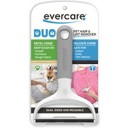
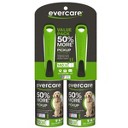
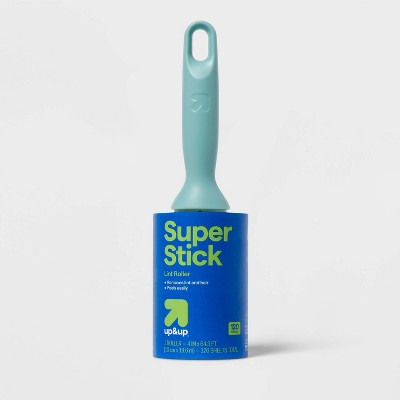
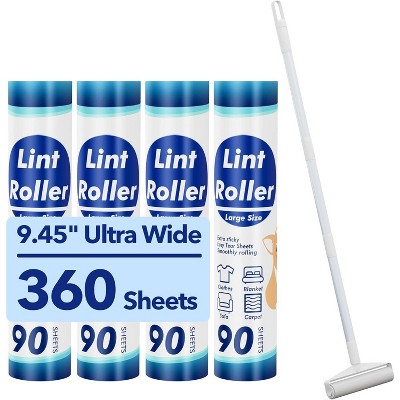
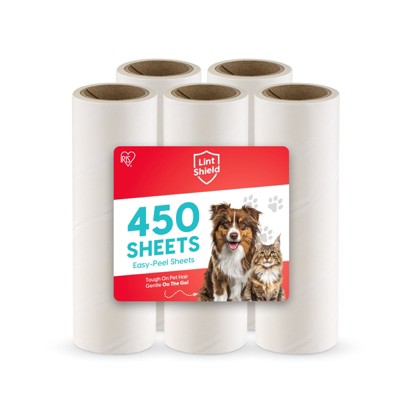
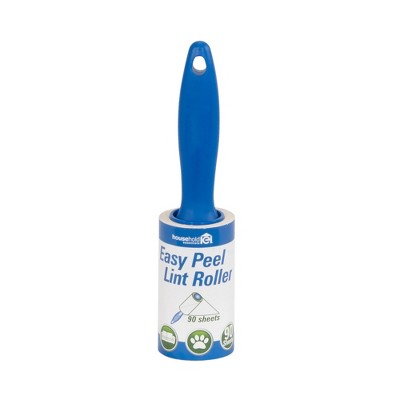
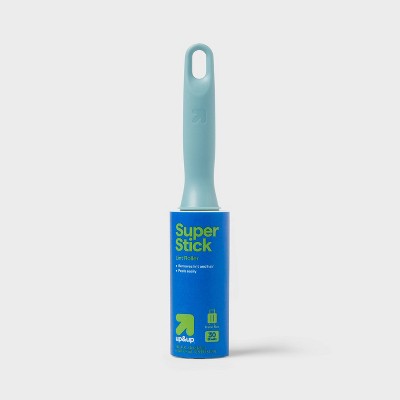
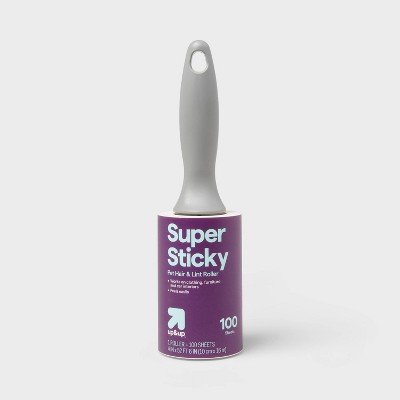
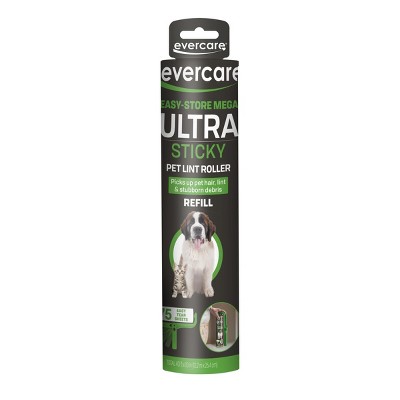
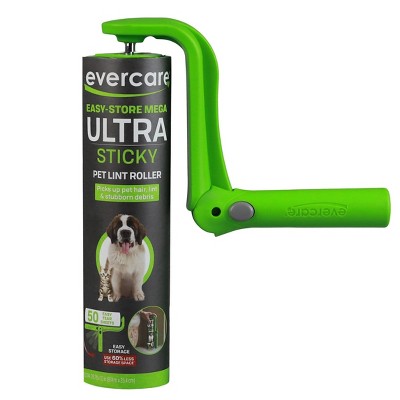
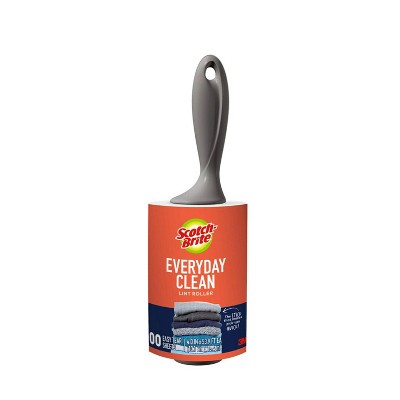
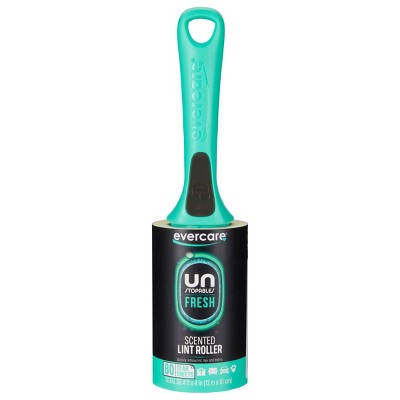
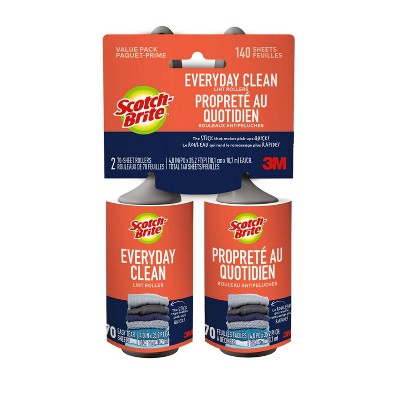
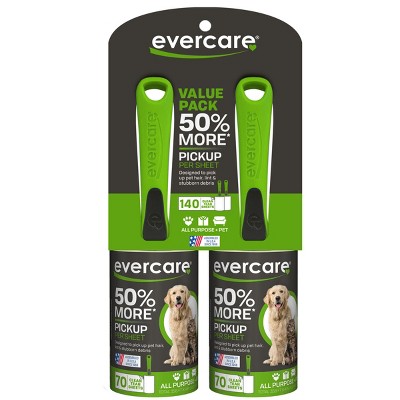
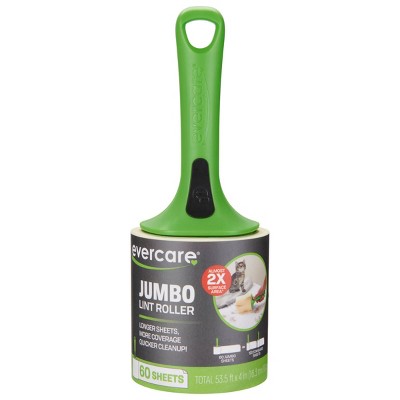
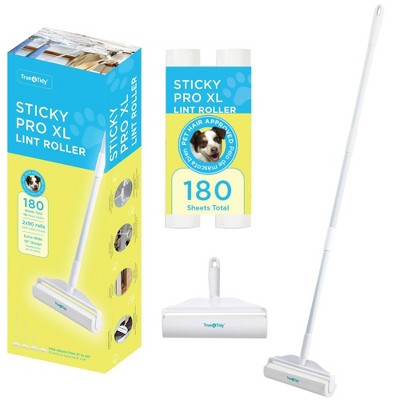
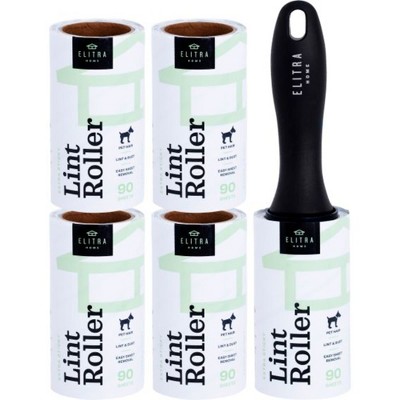
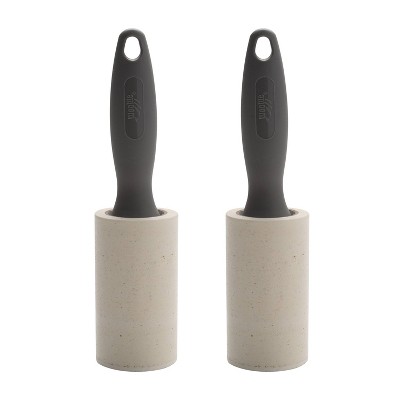
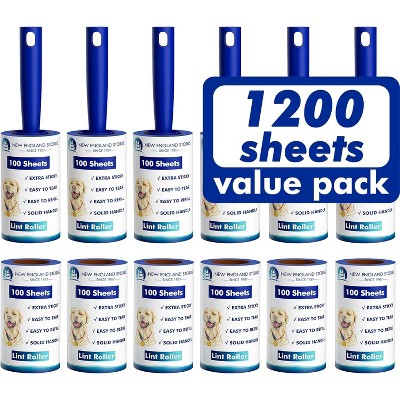
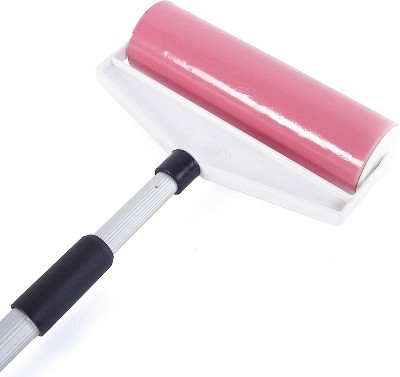
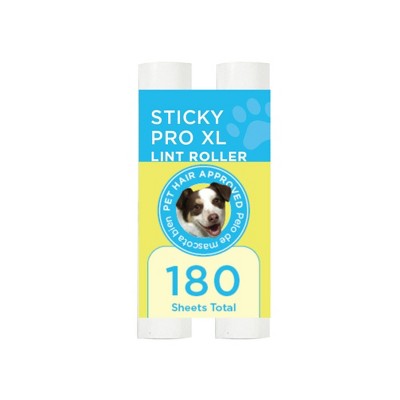
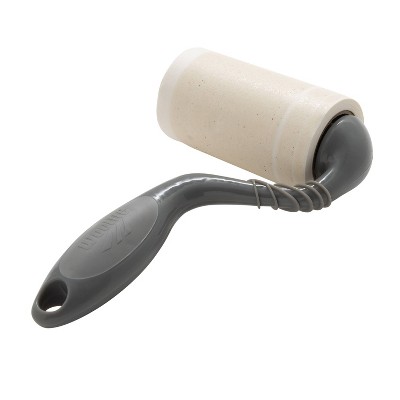
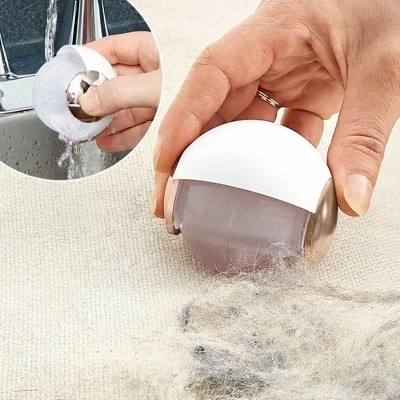
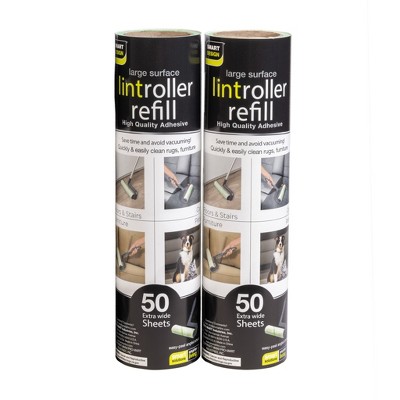
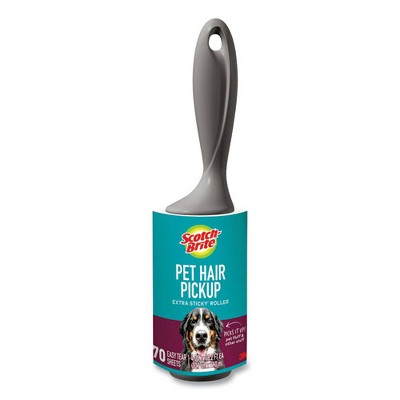
Non-electric options include adhesive lint rollers with refillable sticky sheets and manual brooms paired with step-on dustpans designed to collect pet hair without power.
Cordless pet vacuums use rechargeable batteries (often lithium-ion). Listings commonly note single lithium-ion battery configurations and show runtimes such as about 8–20 minutes for some handhelds and around 40 minutes for certain stick models.
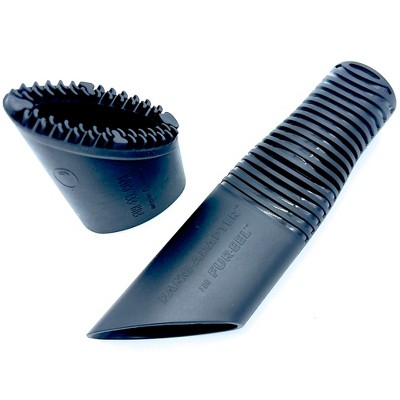
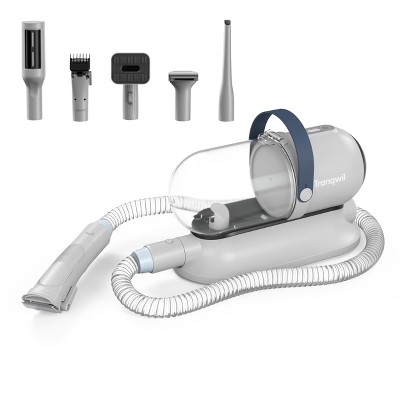
Common attachments include crevice and upholstery tools, motorized or powered brush tools, specialized pet-hair or stain tools, and chargers or wall mounts for cordless models.