Most listings market rosemary oils for “All Hair Types,” and several specifically call out textured, curly, coarse, and coily hair as target types.
Common application methods include applying a small amount directly to the scalp and massaging it in, combing the oil through to the ends, using the product as a leave‑in, or doing a short timed treatment under a processing cap.
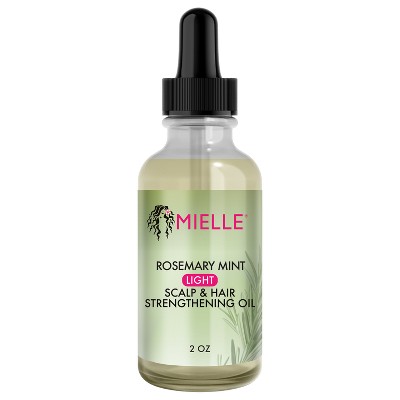
Descriptions commonly note a rosemary–mint or mild rosemary scent and a tingling or refreshing scalp sensation; some reviewers say the scent can linger for a few days.
Reviewers report leaving oils on from about 30 minutes to overnight. Product instructions also mention short processing times (for example, 10–20 minutes under a processing cap) and daily leave‑in application options.
These products are sold as topical oils and are marketed to strengthen and nourish hair, smooth split ends, add shine, support length retention or regrowth, refresh or cleanse the scalp, and soothe dry or irritated scalps. Many are described for use on wet or dry hair and for scalp treatments or daily leave‑in use.
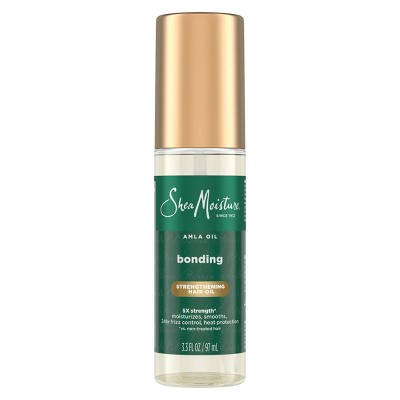
Common actives and notable ingredients include rosemary (rosemary oil), biotin, peppermint or mint, sage, amla, shikakai, and annato/annato oil.
Reviewers report a range of textures and application experiences: many describe oils as lightweight and easy to apply or concentrated (so a little goes a long way), while others note thicker consistencies that affect how often they use the product. Some users also highlight targeted applicators that make scalp or edge application easier.