Target New ArrivalsBack to SchoolCollegeHalloweenClothing, Shoes & AccessoriesHome & DecorKitchen & DiningPatio, Lawn & GardenGroceryHousehold EssentialsBabyBeautyPersonal CareSports & OutdoorsPetsHealthWellnessSchool & Office SuppliesToys & GamesElectronics & TechVideo GamesMovies, Music & BooksParty SuppliesGift IdeasGift CardsShop by CommunityTarget OpticalDealsClearanceNew ArrivalsBack to SchoolCollegeTop DealsTarget Circle DealsWeekly AdShop Order PickupShop Same Day DeliveryRegistryRedCardTarget CircleFind Stores

small 1 person tent

419 results for “small 1 person tent”
Sponsored

Sponsored

Powered by AI

Guests also ask:

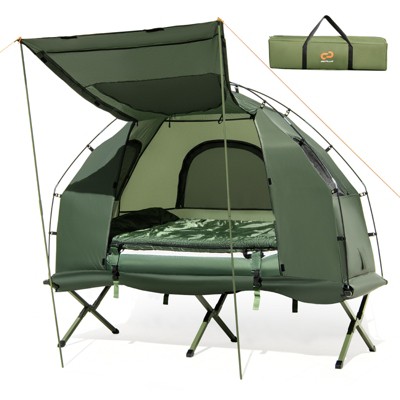
Weights range from ultralight backpacking models under about 3–4 pounds up to heavier cot-combo shelters approaching the high 20s of pounds. Pack-down size for backpacking one-person tents is commonly around 15–16 inches long with an approximate 5" × 5" cross-section.

Small one-person tents are typically sold as 3‑season or 4‑season models. Many lightweight backpacking one-person tents are rated 3‑season, while hammock-style or more robust, all‑weather designs are more often listed as 4‑season.

Backpacking one-person tents commonly pack down quite small—typically about 15–16 inches long with roughly a 5" × 5" cross-section. Actual packed size varies by design and whether poles are collapsible or removable.

Typical interior dimensions vary by model but commonly fall in these ranges: length about 73–83 inches, width around 30–43 inches, and peak height roughly 39–40 inches.

Water-protection claims vary by listing. Examples shown include PU 4000 mm (often labeled “waterproof 4000 mm+”), 3000 mm, and 450 mm; some listings explicitly state there is no waterproof rating. Check the specific rating and seam/tape details for any tent you consider.

Setup time depends on the shelter type: hammock-style all‑in‑one setups can be around 60 seconds, many conventional solo tents take about 1–2 minutes, and some pop‑up or privacy-style shelters can take longer—up to roughly 10 minutes in these listings.

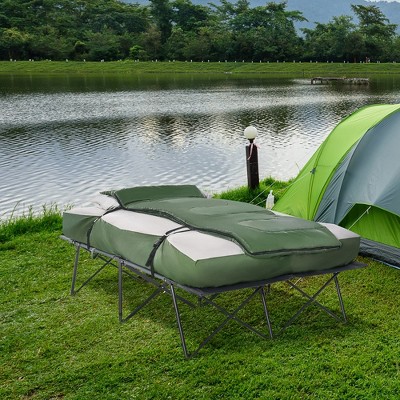
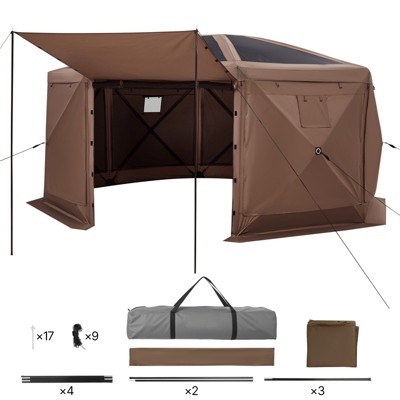
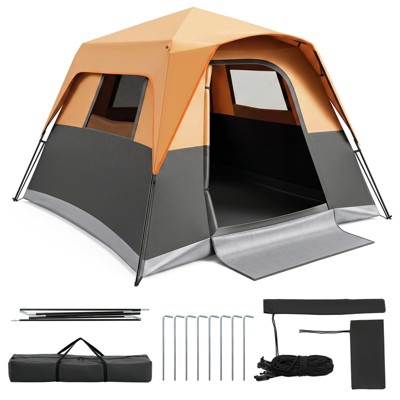
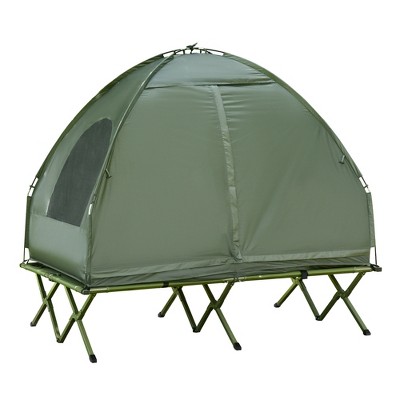
Typical accessories are a carry bag, tent poles, stakes/ground pegs, and guy/wind ropes. Some backpacking models also include a footprint, and cot/combination sets may add items such as an inflatable mattress and pump.

Designs commonly use ventilation windows and double‑layer construction with a mesh inner tent to reduce condensation. Other features include mesh panels or windows and stargazer‑style mesh panels for airflow and viewing.

Skip to next section

Get top deals, latest trends, and more.