spaghetti dinner
205 results for “spaghetti dinner”
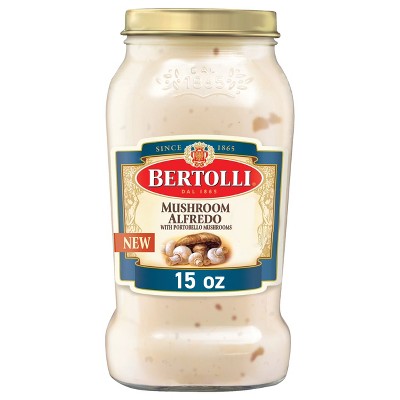
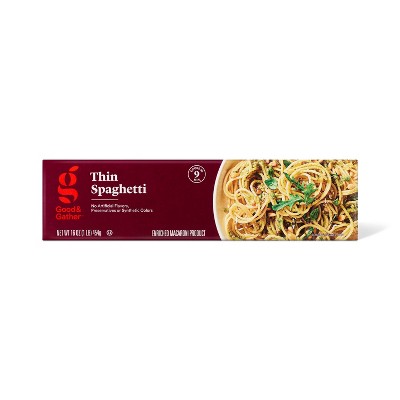
$3.19($0.21/ounce)
Loved for: easy to use
SNAP EBT eligible
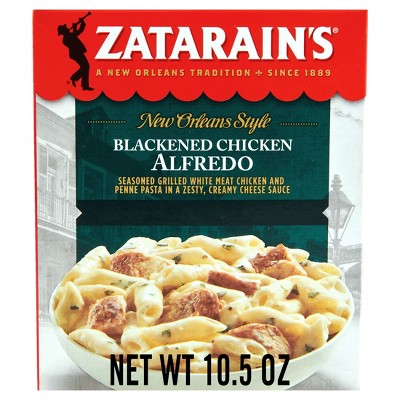
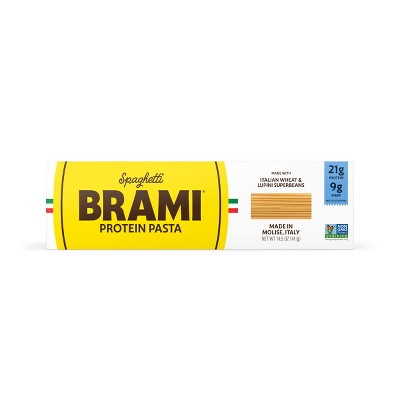
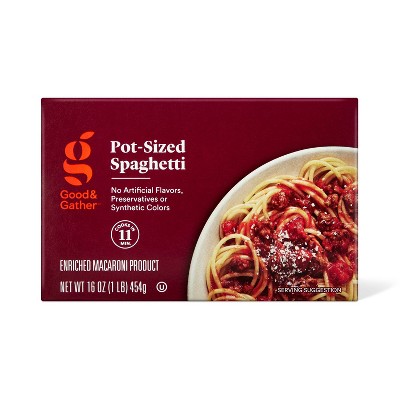
$3.49($0.24/ounce)
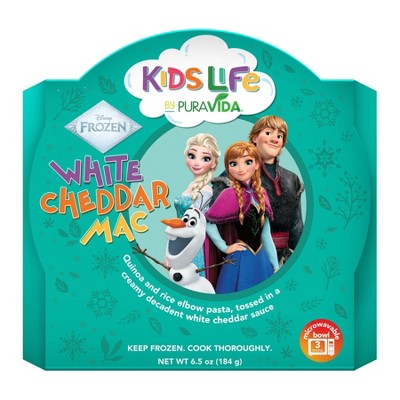
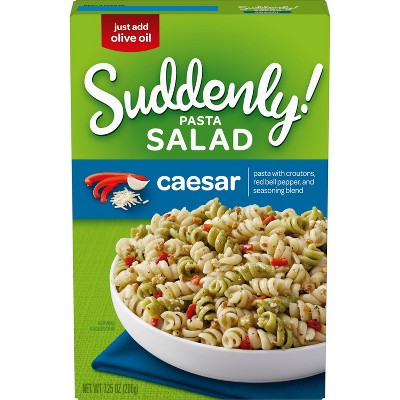
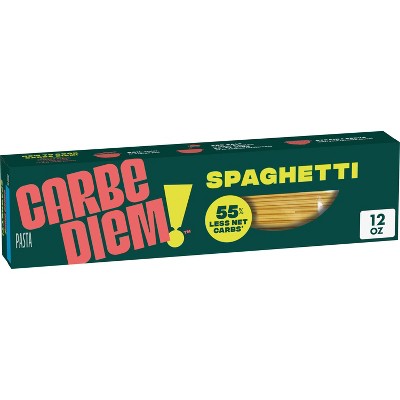
$2.69
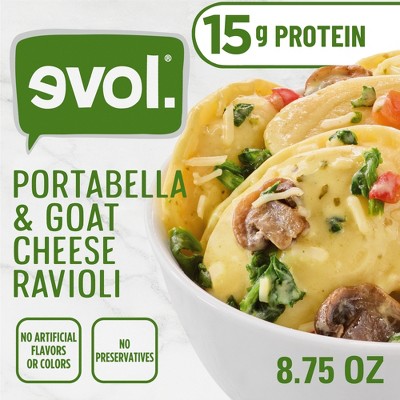
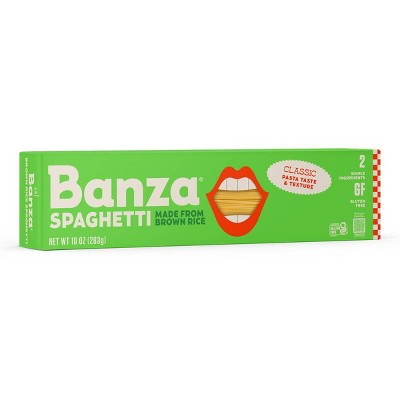
$3.99($0.46/ounce)
Loved for: delicious flavors
SNAP EBT eligible
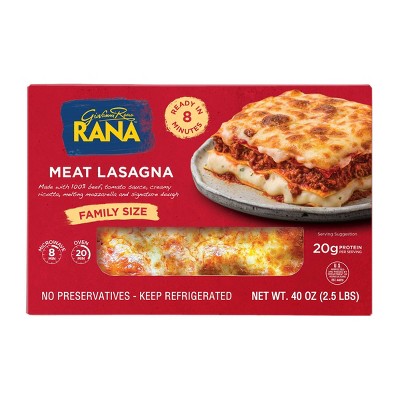
$13.99($0.35/ounce)
reg $14.99
Sale
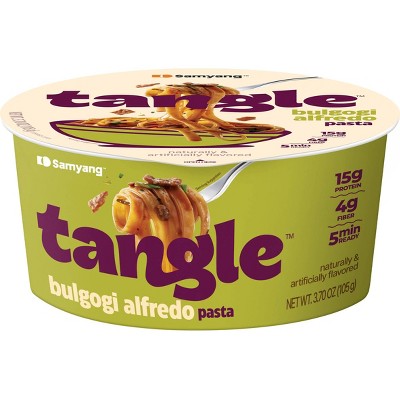
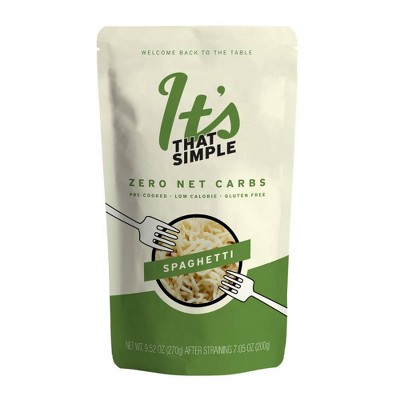
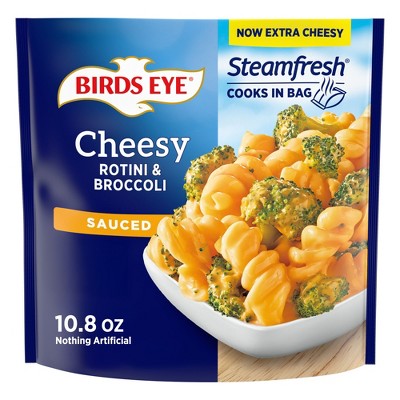
$3.39
Loved for: creamy cheese sauce
SNAP EBT eligible
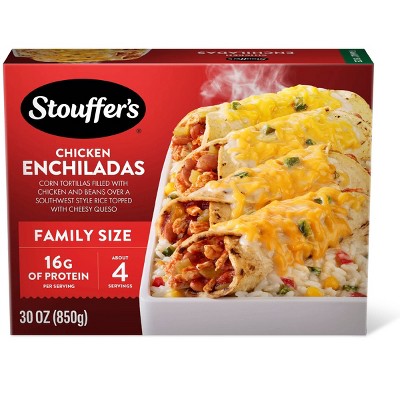
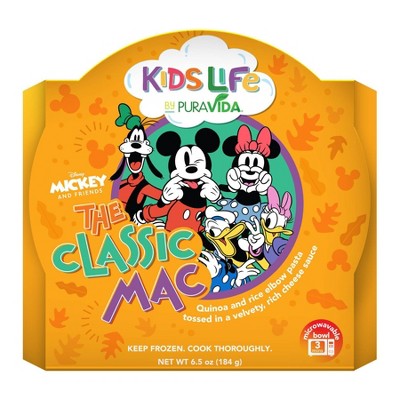
Sponsored
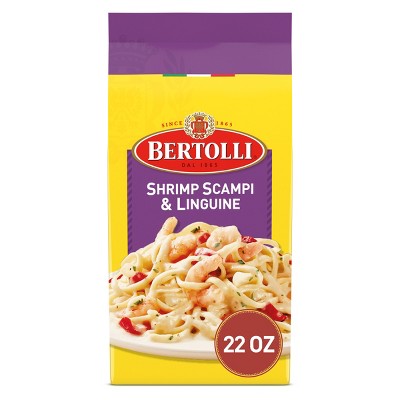
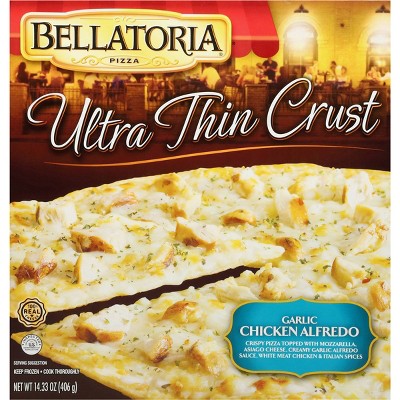
$5.89($0.37/ounce)
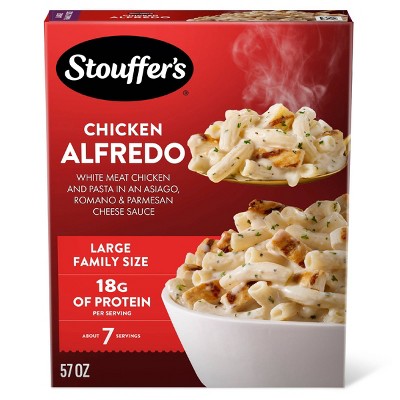
$15.39($0.27/ounce)
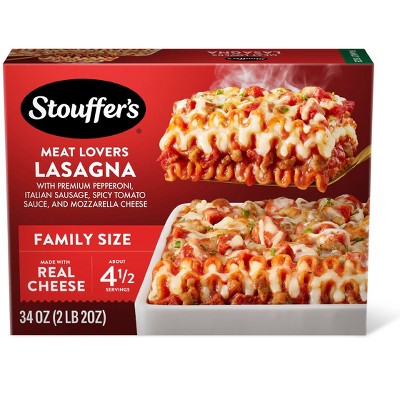
$9.89($0.29/ounce)
Loved for: easy preparation
SNAP EBT eligible
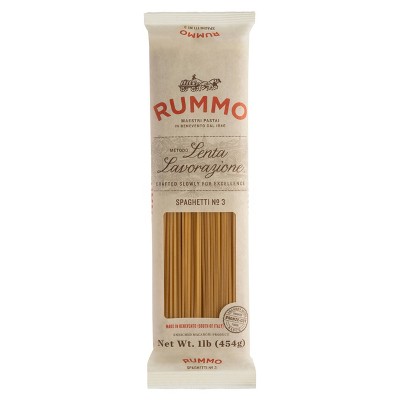
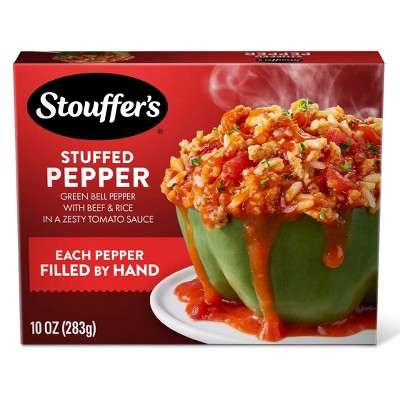
$3.59($0.36/ounce)
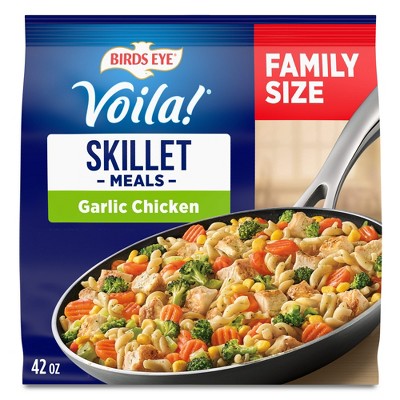
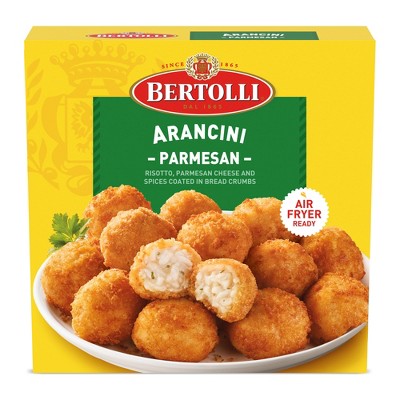
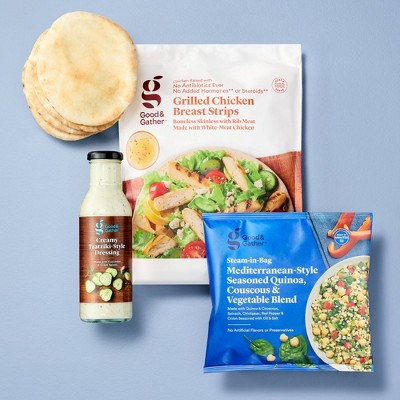
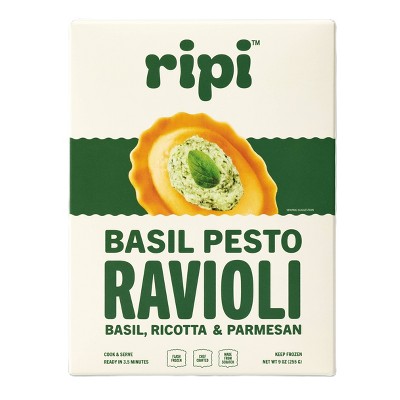
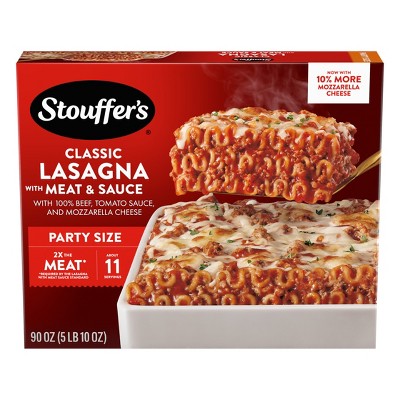
$17.49($0.19/ounce)
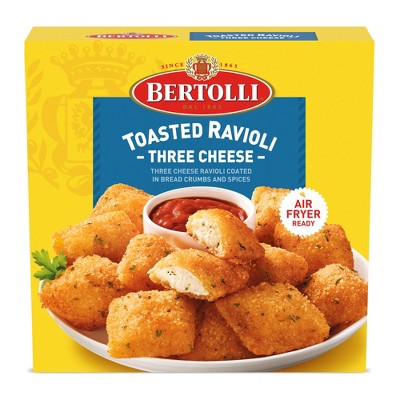
$4.49($0.41/ounce)
Buy 2 for $8 Bertolli frozen appetizers
Loved for: delicious taste
SNAP EBT eligible
Sponsored
Powered by AI
Guests also ask:
Related searches
- spagetti dinner
- family spaghetti
- spaghetti tv dinner
- pasta dinner
- spaghetti i
- spaghetti family size
- spaghetti noodle
- barillum spaghetti
- spaghetti o pasta
- spaghetti bowl
- spegegetti pasta
- raos dinner
- vegan spaghetti
- fettucine pasta
- spagetti pasta
- spaghetti shells
- spaghetti rigati
- green spaghetti
- spaghetti pan
- skillet dinner
Trending now
- $2.89($0.24/ounce)Buy 2 for $4 Barilla pasta4.2 out of 5 stars with 687 ratings
- $3.99($0.42/ounce)Buy 1, get 1 50% off It's Skinny pasta4.2 out of 5 stars with 19 ratings
- $14.99