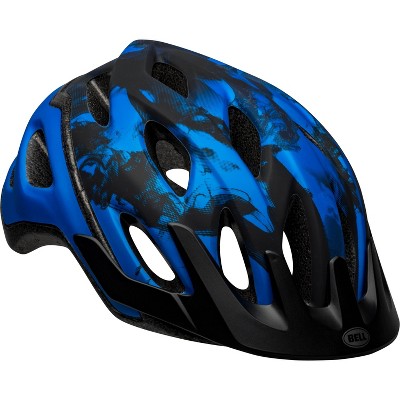
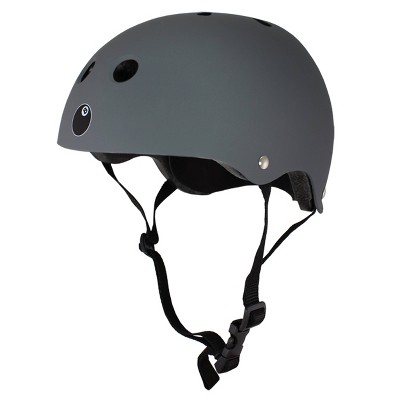
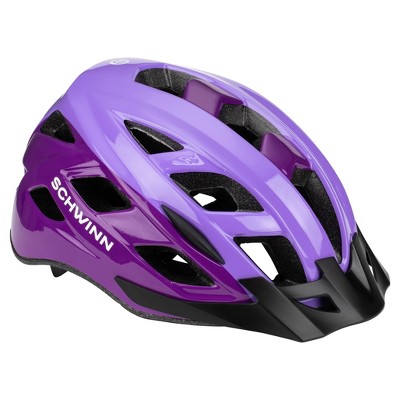
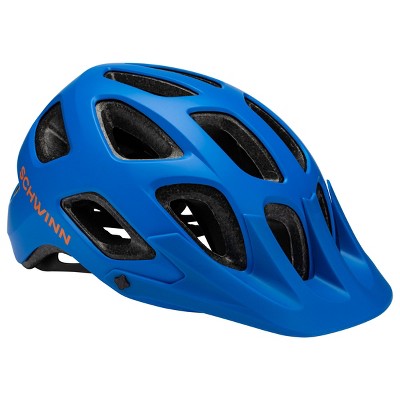
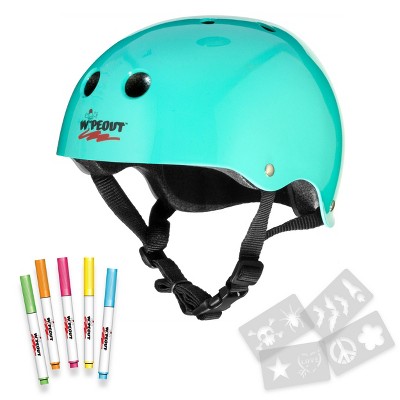
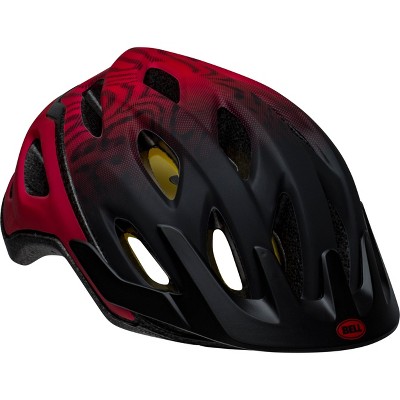
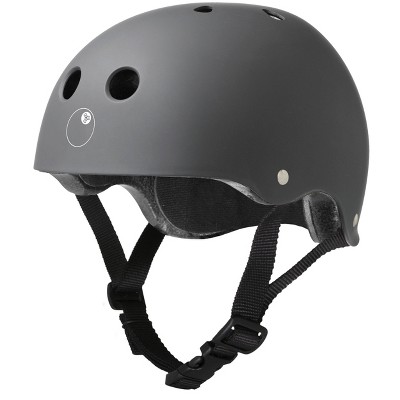
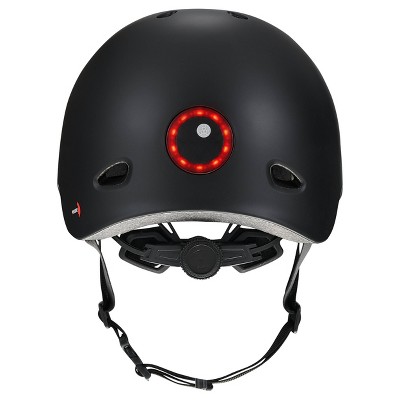
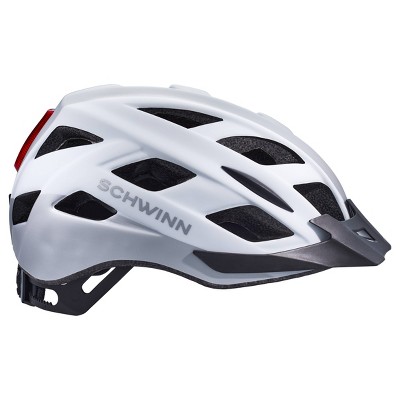
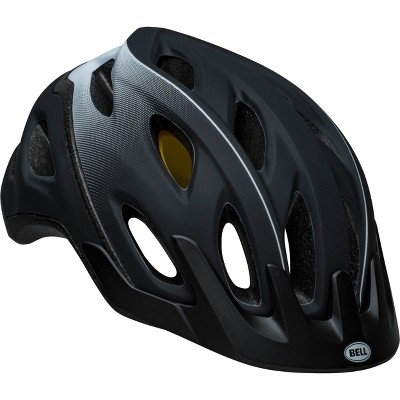
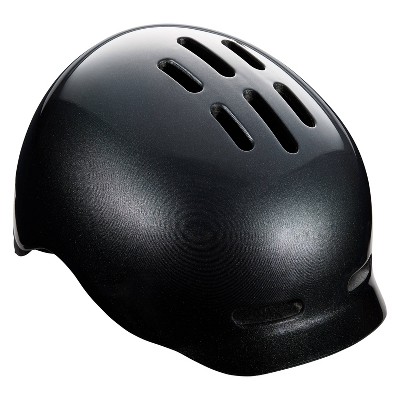
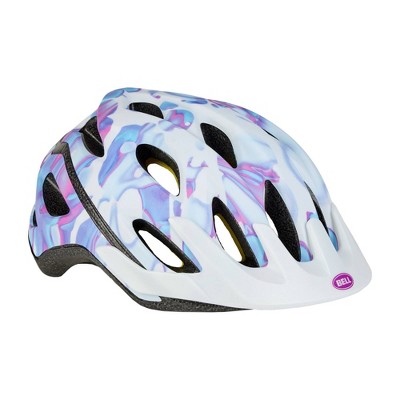
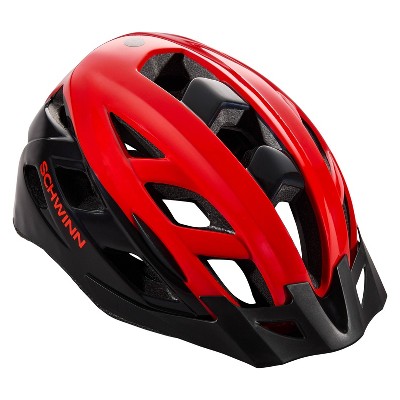
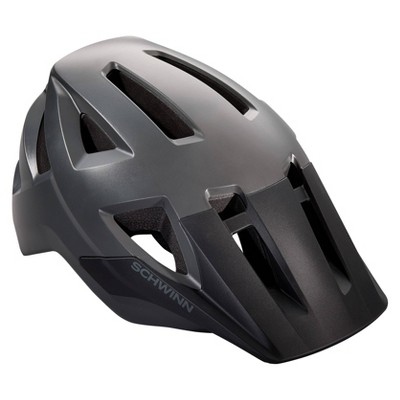
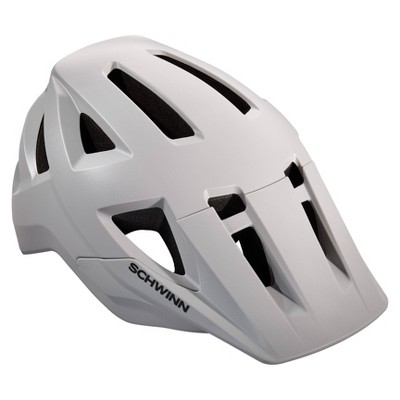
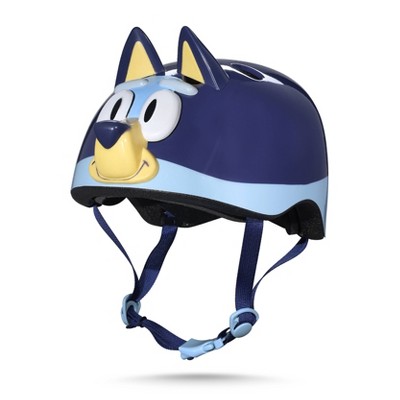
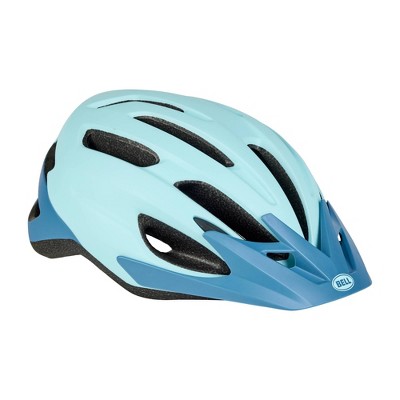
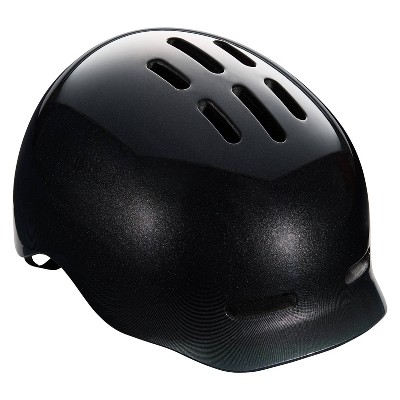
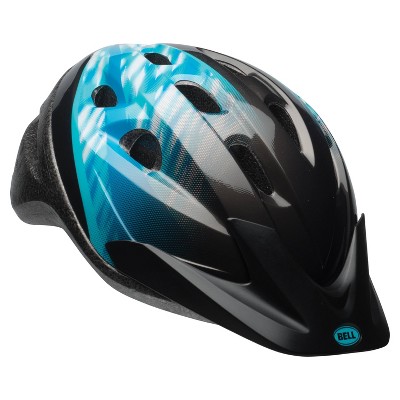
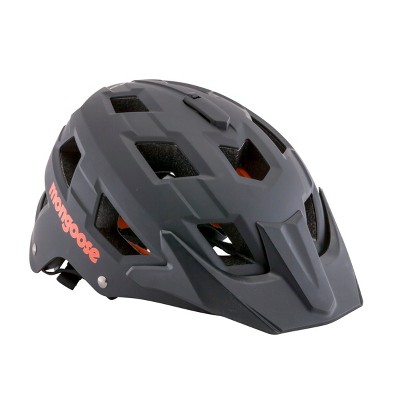
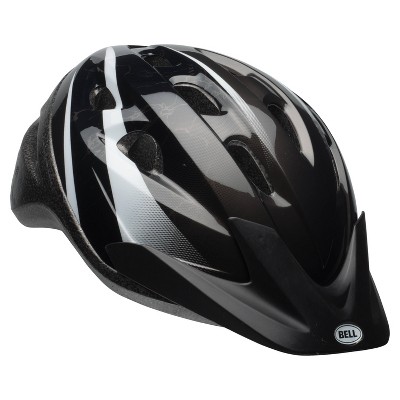
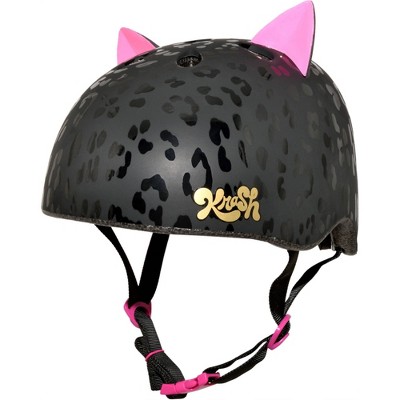
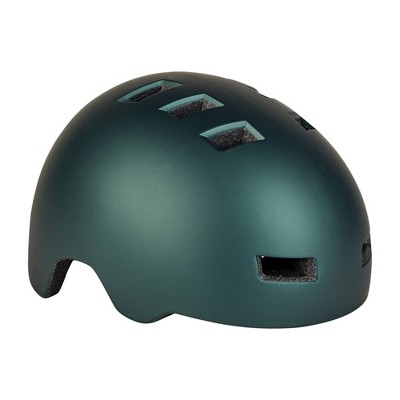
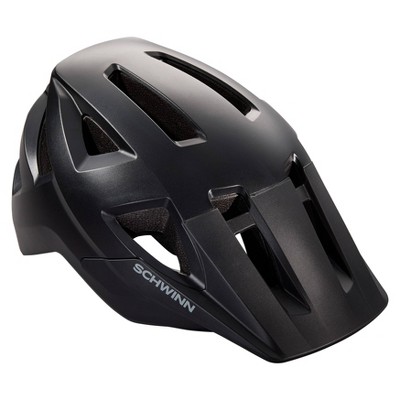
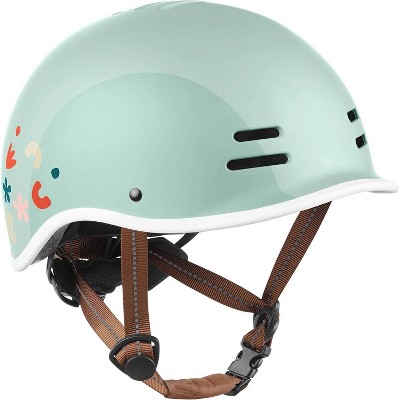
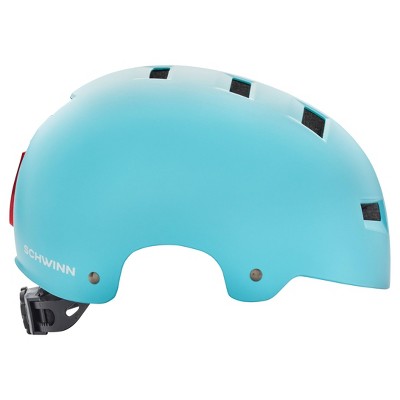
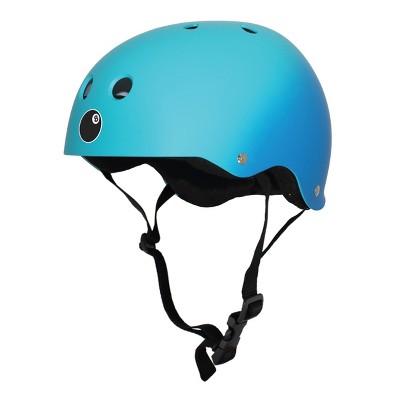
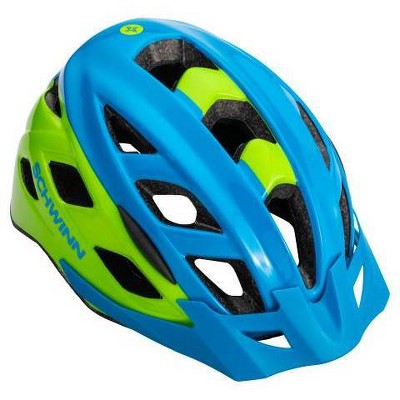
Look for standards that match the helmet type: many riding helmets are ASTM/SEI-certified for impact protection, while cycling helmets commonly reference U.S. CPSC standards and ASTM skate standards. Listings vary, so check the product details to see which certification(s) are claimed.
Many helmets use dial-based circumference adjusters combined with internal features such as flip-fold padding or full‑range padding to customize width and comfort. These systems let you fine-tune fit without changing shell size.
Some cycling helmets include integrated or removable rear LED lights with multiple modes (flash, strobe, steady) and batteries included to improve low‑light visibility. Feature availability varies by model, so check the product description.
Sizing varies by listing. Some show specific hat sizes (for example, Hat Size: 6‑3/4 up to 7‑3/4), while others use labeled ranges—e.g., X‑Small: 6¼–6½, up to Large: 7 3/8–7¾. Check each product’s size chart for exact measurements and recommended head circumference.
Materials differ by helmet type. Some listings use a generic “Plastic” label, while cycling helmets often list EPS (Expanded Polystyrene) and PVC (Polyvinyl Chloride) in their material descriptions. Check the product details for the exact materials used.
Some helmets include removable, washable liners and moisture‑wicking padding that can be detached for laundering. A few riding‑style descriptions also note adjustable headliner tabs to fine‑tune internal width.
Listings cover a range of uses: riding‑style helmets often describe trail riding, schooling, competition, barrel practice, and therapeutic riding, while other helmets are described for cycling, including low‑light road rides. Check the product description to confirm intended activities.