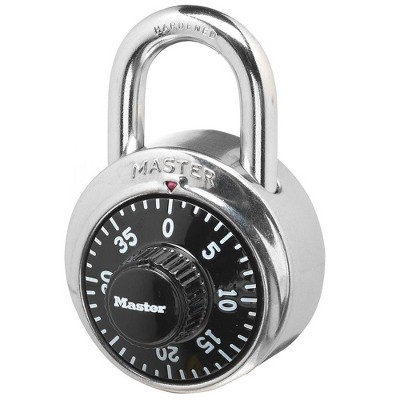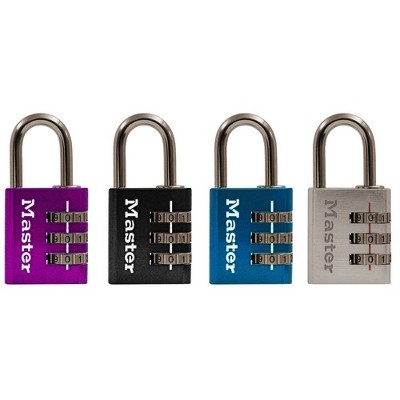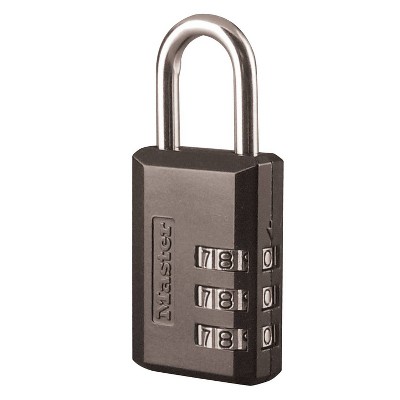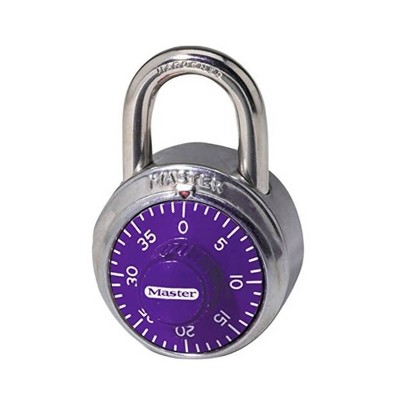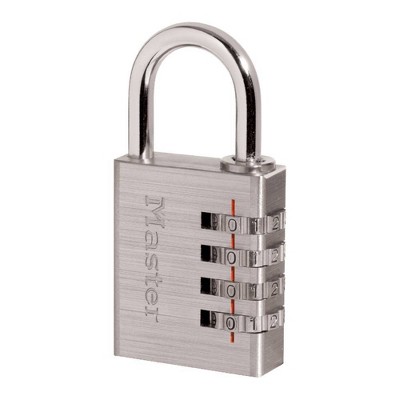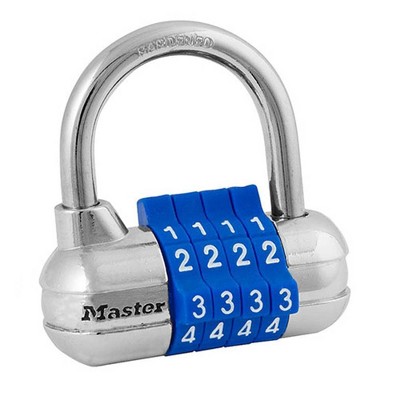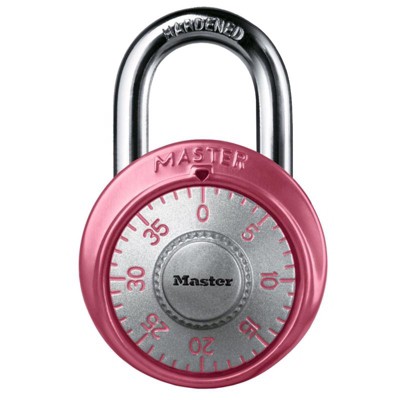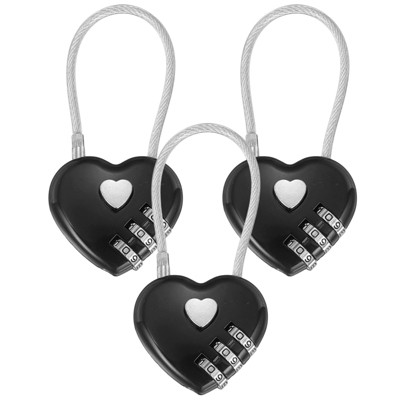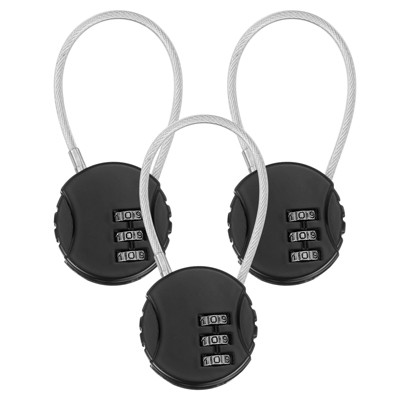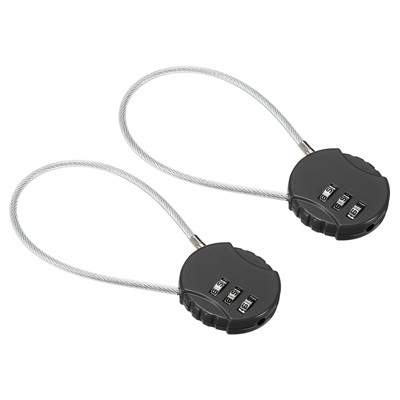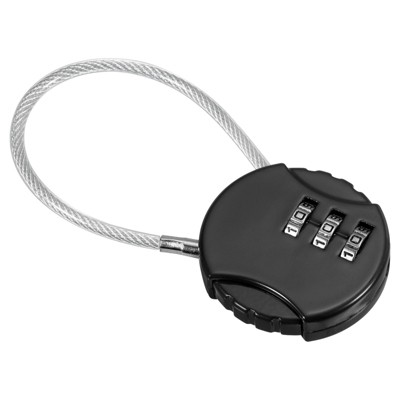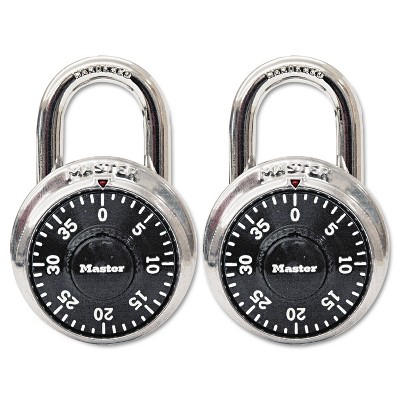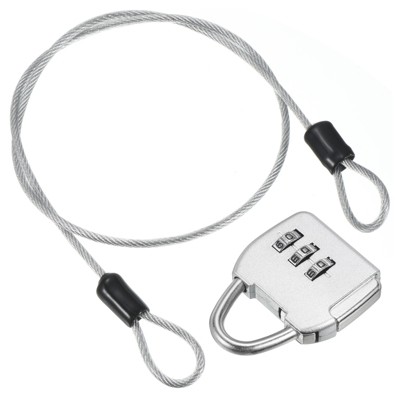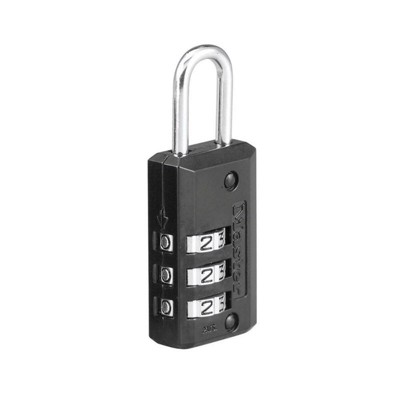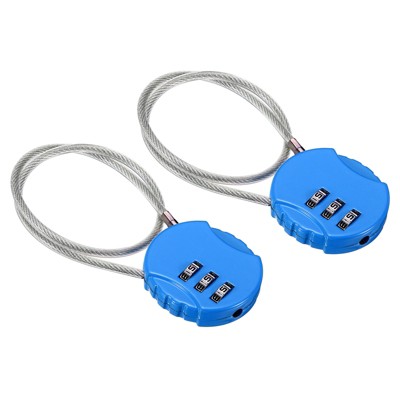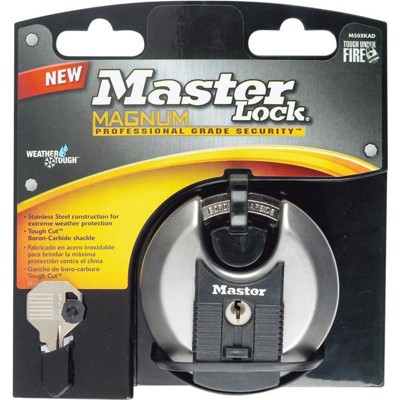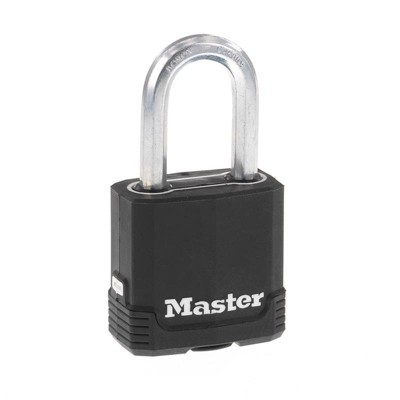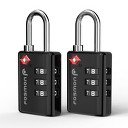
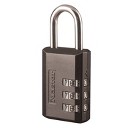
Most TSA travel locks use a combination mechanism—typically 3‑digit dials that provide about 1,000 possible codes—and offer an easy-to-set/reset design. A few listings note a pin-tumbler (keyed) mechanism for specific models.
In addition to checked and carry-on luggage, listings commonly recommend TSA travel locks for backpacks and for securing lockers in places such as stations, schools, gyms, hostels, and water parks.
Most are 3‑digit combination locks (about 1,000 possible codes). To reset a code: align the dials to the current code, press and hold the reset button, choose the new numbers while holding the button, then release to save the new code.
A “TSA accepted” lock is designed so TSA screeners can open, inspect, and relock the luggage without damaging the lock.
TSA travel locks commonly use metal or zinc-alloy bodies with steel shackles or braided steel cords. Some cable-style locks have vinyl-covered cords for added flexibility.
Some listings show a lock body around 1-3/16 in. (30 mm) wide, a shackle about 1/8 in. (3 mm) in diameter and 1-1/2 in. (38 mm) long. Cable-style locks list a steel cord around 5.6 inches long.
Listings commonly note water-resistant and rust-resistant finishes, durable metal or zinc-alloy bodies, and vinyl-covered cables to help withstand baggage-handling wear.
Many locks are described as compact and lightweight; one listing notes a weight of 4.0 ounces, and others compare the size to an AA battery.