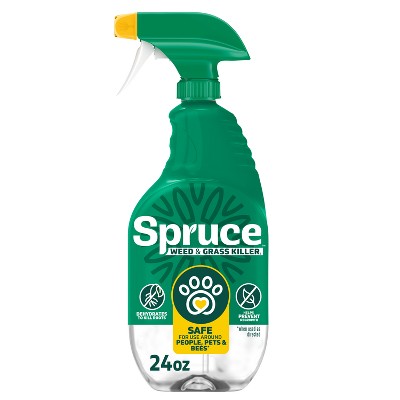
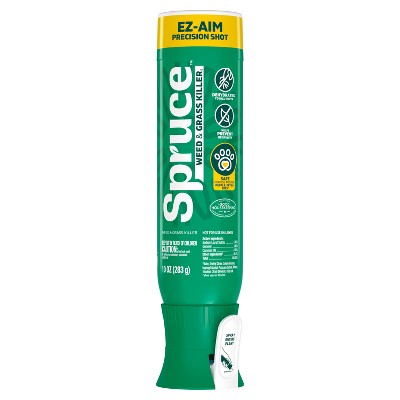
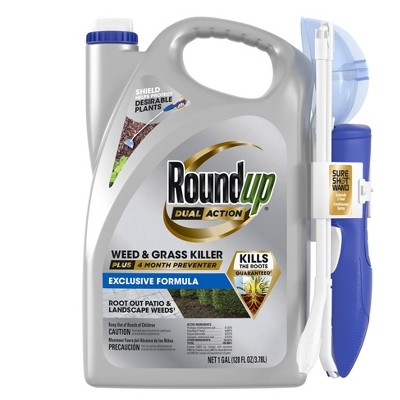
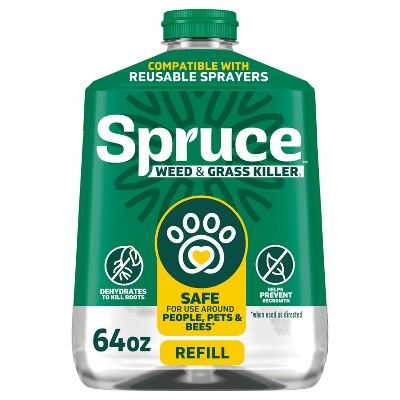
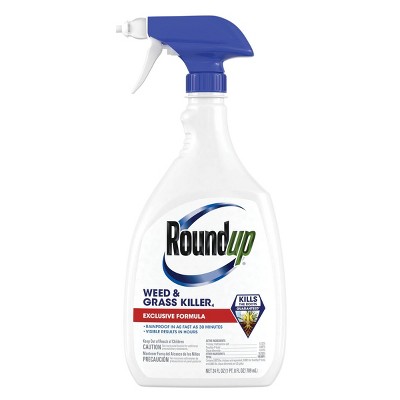
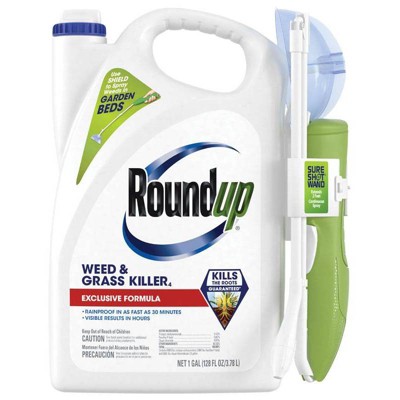
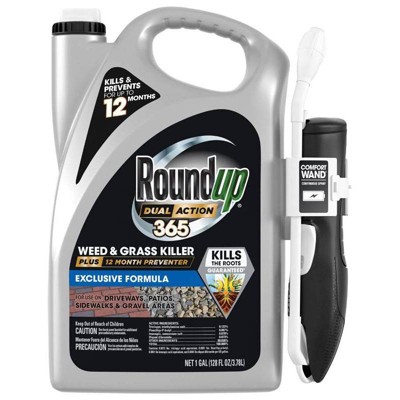
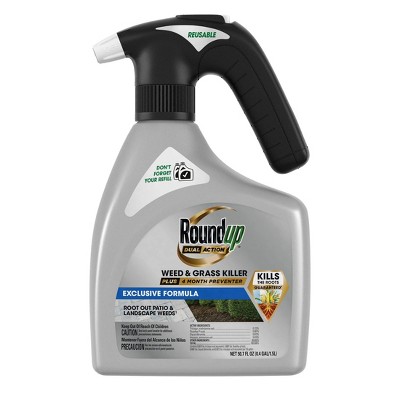
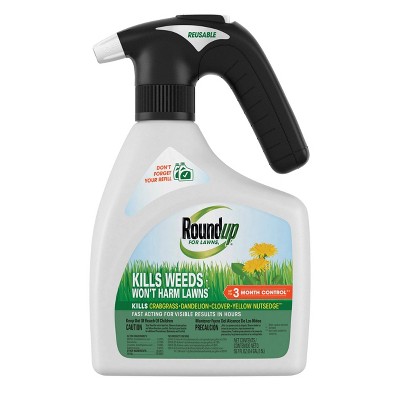
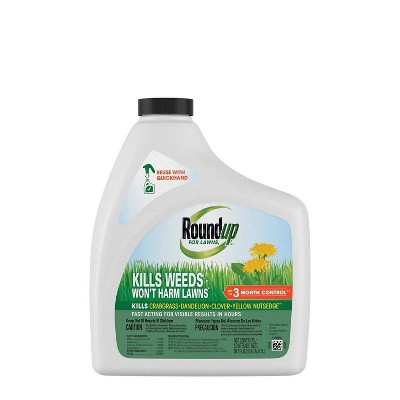
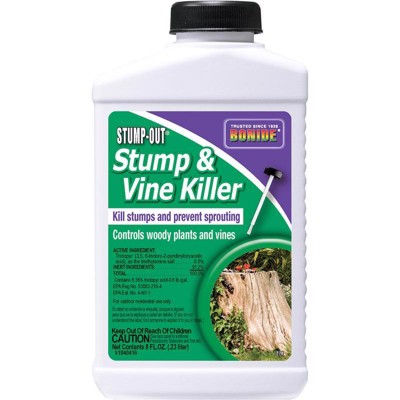
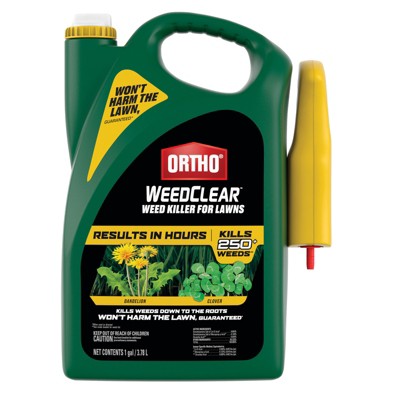
weed killer spray
271 results for “weed killer spray”
Loved for: fresh scent
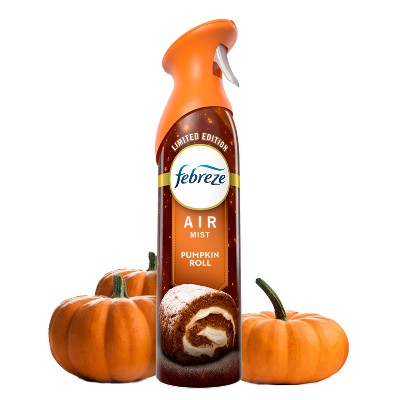
See price in cart
Loved for: long lasting scent
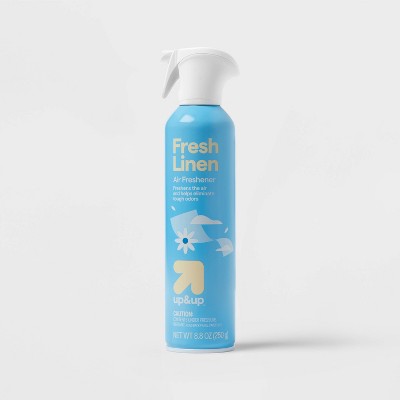
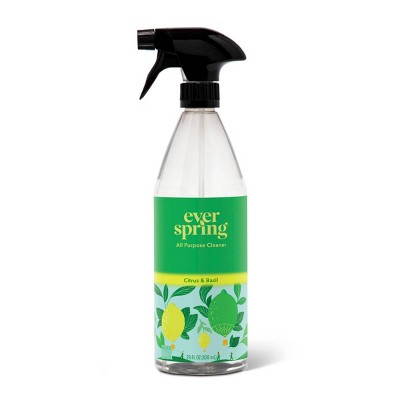
$3.39($0.12/fluid ounce)
$15 Target GiftCard with $50 household items purchase
EverspringOnly at target
Loved for: natural ingredients
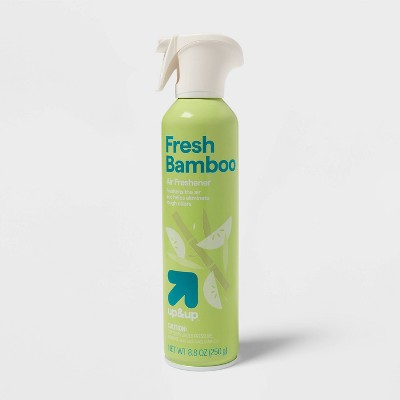
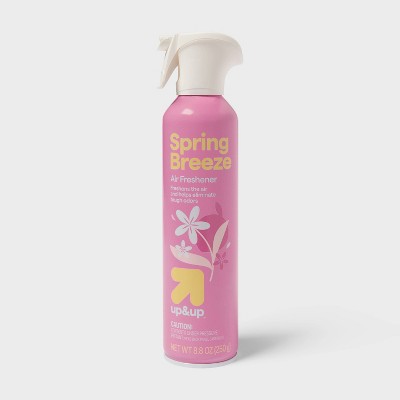
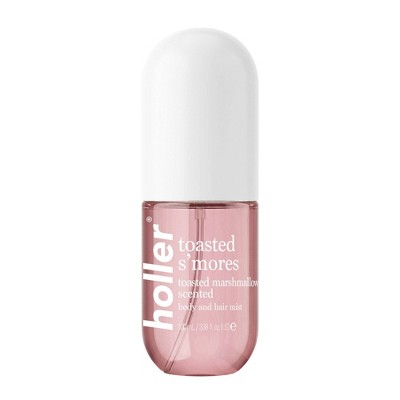
$5.00
Loved for: cozy fall fragrance
Sponsored
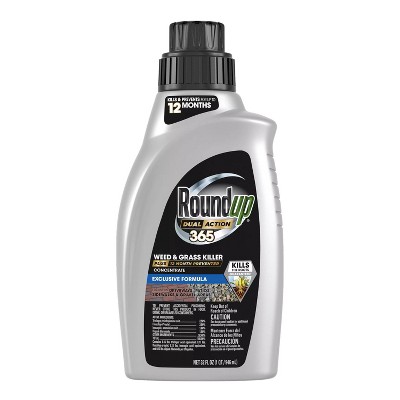
$44.19
reg $51.99
Clearance
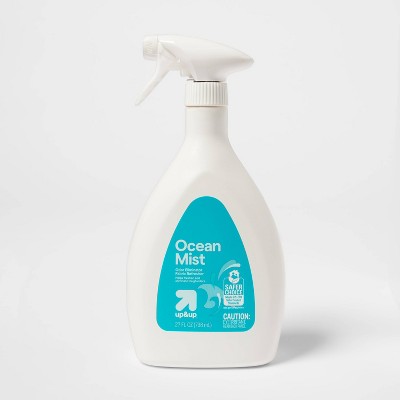
$4.49($0.17/fluid ounce)
$15 Target GiftCard with $50 household items purchase
Loved for: odor elimination
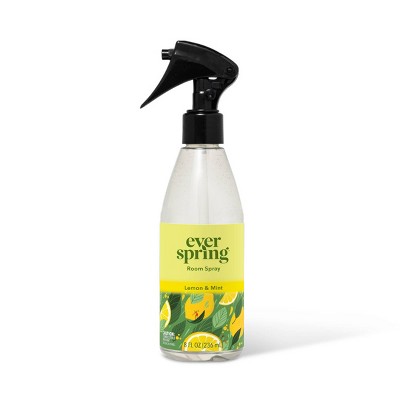
$4.69($0.59/fluid ounce)
$15 Target GiftCard with $50 household items purchase
EverspringOnly at target
Loved for: natural ingredients
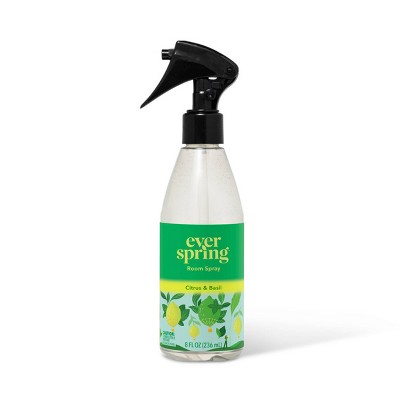
$4.69($0.59/fluid ounce)
$15 Target GiftCard with $50 household items purchase
EverspringOnly at target
Loved for: great scent
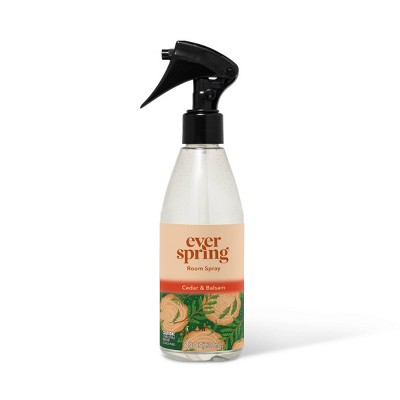
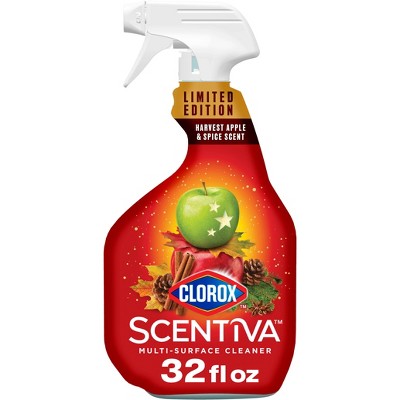
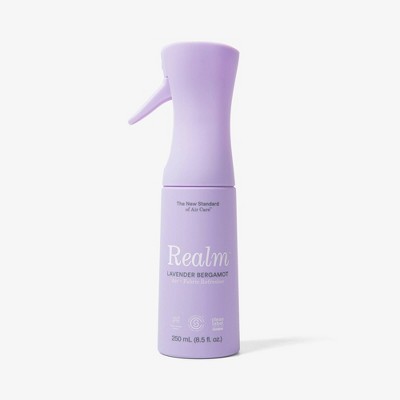
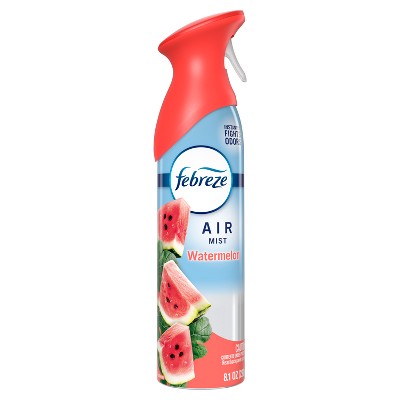
$3.49($0.43/ounce)
$15 Target GiftCard with $50 household items purchase
Loved for: long-lasting scent
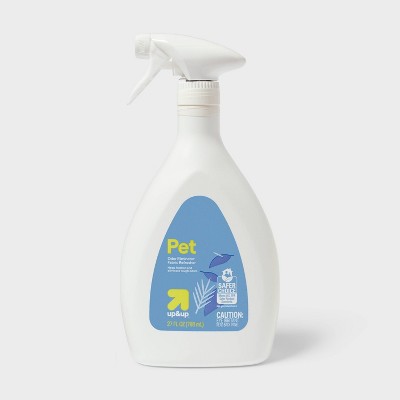
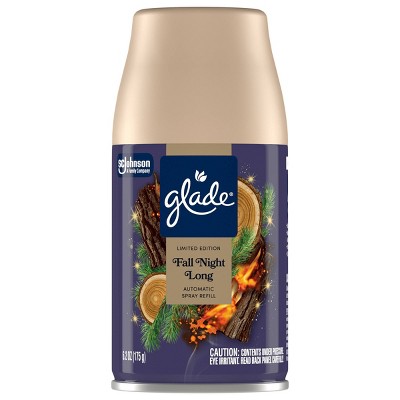
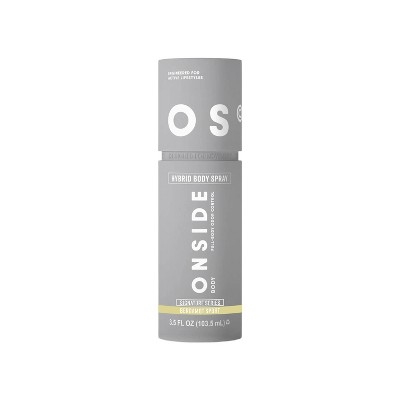
Sponsored
Powered by AI
Guests also ask:
Related searches
- kill weeds spray
- weed and grass killer spray
- weed killer pet safe
- weed lawn spray
- grass killer spray
- weed killer for lawns
- weed killer refill
- weed killer spray bottle
- spectrum weed spray
- spray kills weeds
- weed and grass killer
- bee killer spray
- bug killer spray
- roach killer spray
- insect killer spray
- weed and grass killer concentrate
- spectracide weed killer
- ant killer spray
- glyphosate spray
- fire extinguisher spray
Trending now
- $25.08reg $29.62 Sale4.1 out of 5 stars with 93 ratings
- $43.71reg $46.74 Sale4.2 out of 5 stars with 196 ratings
- $28.86reg $33.69 Sale4.2 out of 5 stars with 198 ratings
- $34.04reg $38.52 Sale