weed killer spray
271 results for “weed killer spray”
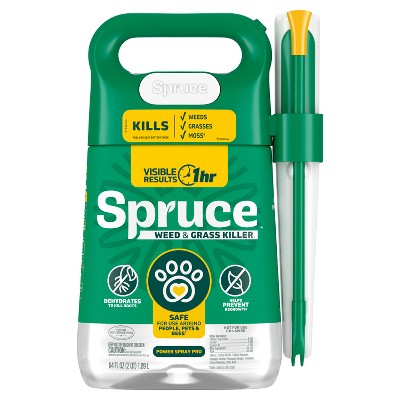
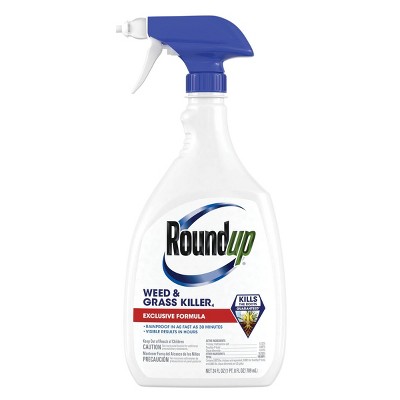
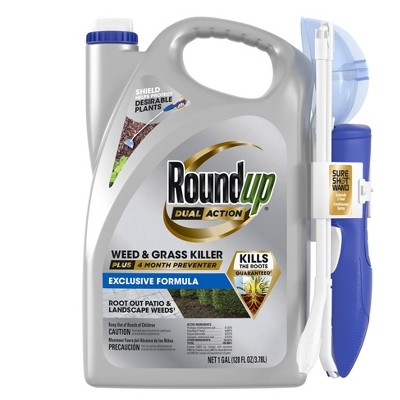
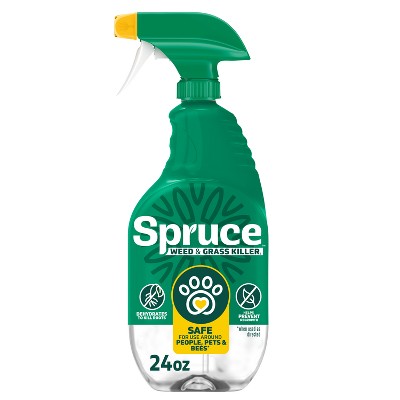
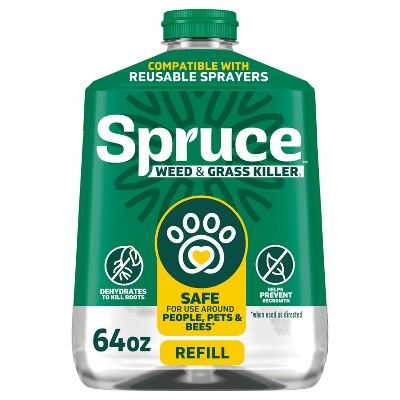
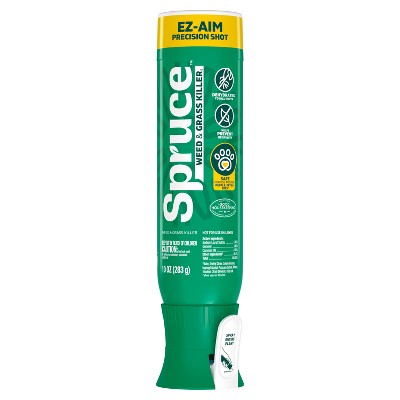
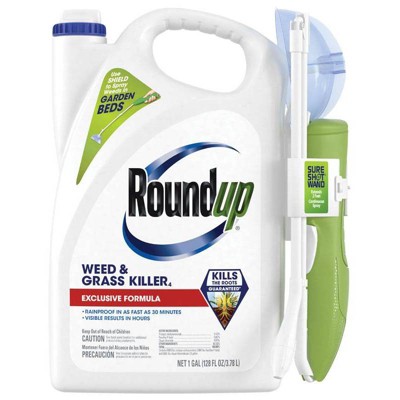
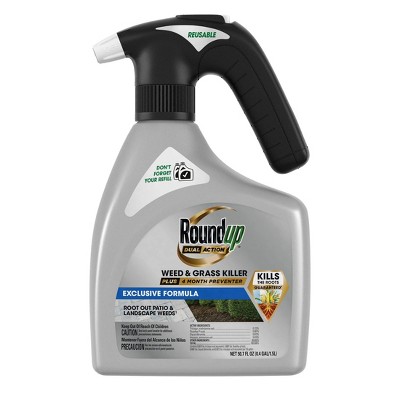
Recommendations for you
- $43.71reg $46.74 Sale4.2 out of 5 stars with 196 ratings
- Highly rated$4.99 - $29.99Select items on sale$15 Target GiftCard with $50 household items purchase4.7 out of 5 stars with 30400 ratings
- Highly rated$6.29 - $19.99$15 Target GiftCard with $50 household items purchase4.6 out of 5 stars with 9249 ratings
- $5.79$15 Target GiftCard with $50 household items purchase4 out of 5 stars with 341 ratings
- $10.39$15 Target GiftCard with $50 household items purchase4.1 out of 5 stars with 390 ratings
- Highly rated$5.99 - $20.99$15 Target GiftCard with $50 household items purchase4.5 out of 5 stars with 23093 ratings
- Bestseller$5.59$15 Target GiftCard with $50 household items purchase4.4 out of 5 stars with 546 ratings
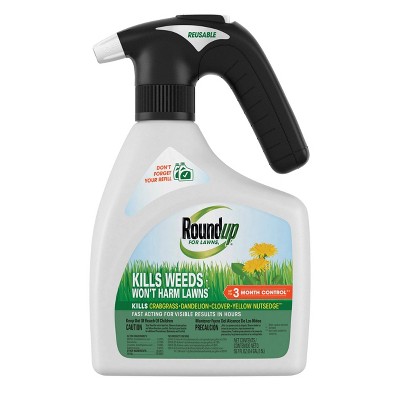
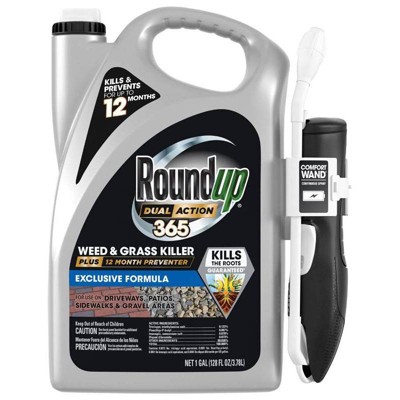
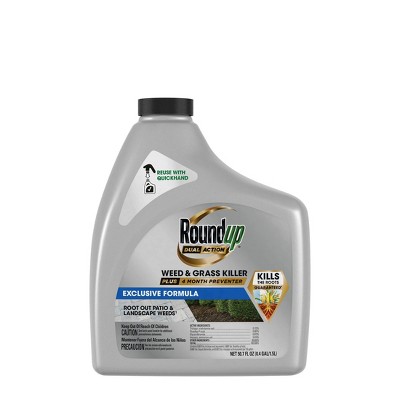
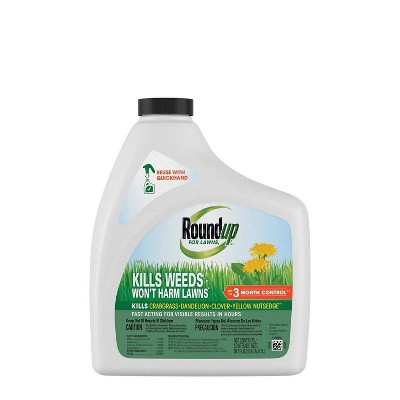
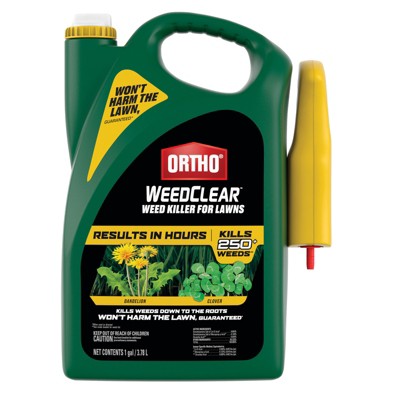
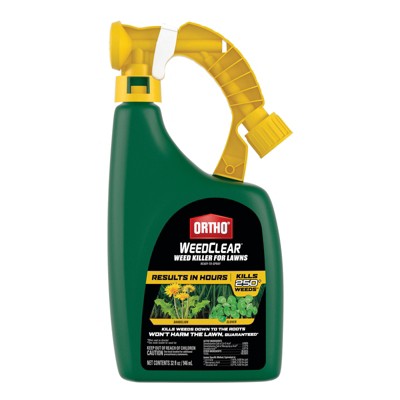
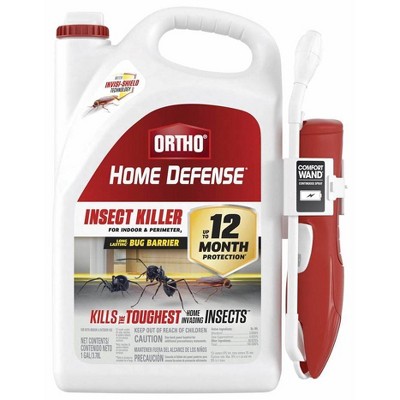
Sponsored
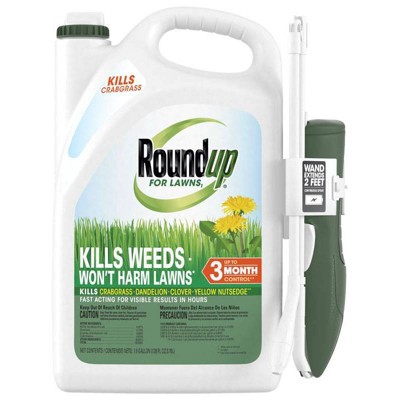
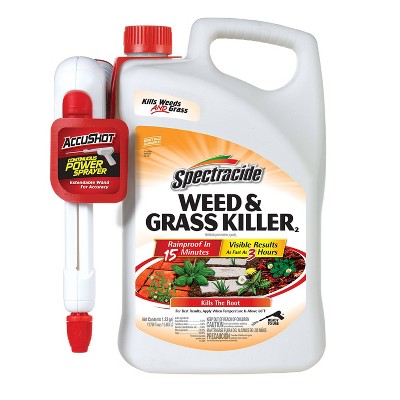
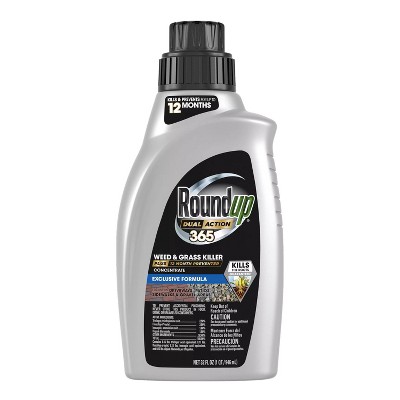
$44.19
reg $51.99
Clearance
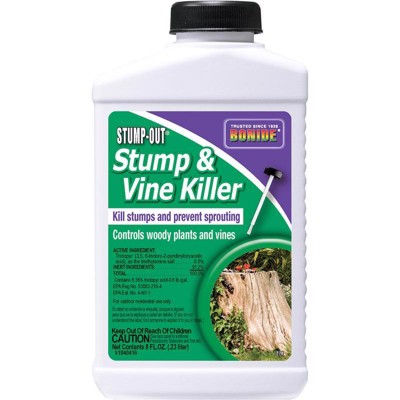
$25.08
reg $29.62
Sale
Loved for: easy application
Related deals
- Highly rated$6.29 - $19.99$15 Target GiftCard with $50 household items purchase4.6 out of 5 stars with 9249 ratings
- Highly rated$4.99 - $29.99Select items on sale$15 Target GiftCard with $50 household items purchase4.7 out of 5 stars with 30400 ratings
- Highly rated$8.99 - $49.99$20 Target GiftCard with $80 diapers & wipes purchase4.1 out of 5 stars with 15260 ratings
- Highly rated$5.99 - $20.99$15 Target GiftCard with $50 household items purchase4.5 out of 5 stars with 23093 ratings
- Highly rated$1.49 - $4.29$15 Target GiftCard with $50 household items purchase4.4 out of 5 stars with 6428 ratings
- Highly rated$5.99 - $21.99$15 Target GiftCard with $50 household items purchase4.6 out of 5 stars with 14681 ratings
- Highly rated$14.99$5 Target GiftCard with 4 select personal care items4.5 out of 5 stars with 4639 ratings
- Highly rated$1.69 - $13.79Lower price on select items$15 Target GiftCard with $50 household items purchase4.7 out of 5 stars with 9740 ratings
- Highly rated$3.44 - $9.49Select items on clearance$15 Target GiftCard with $50 household items purchase4.6 out of 5 stars with 12395 ratings
- Highly ratedSee price in cart$15 Target GiftCard with $50 household items purchase4.4 out of 5 stars with 36208 ratings
- Highly rated$6.99 - $26.99$15 Target GiftCard with $50 household items purchase4.6 out of 5 stars with 12273 ratings
- Highly rated$7.99 - $32.99$15 Target GiftCard with $50 household items purchase4.7 out of 5 stars with 16647 ratings
- Highly rated$0.99 - $6.99$15 Target GiftCard with $50 household items purchase4.8 out of 5 stars with 76814 ratings
- Highly rated$1.19 - $16.89$15 Target GiftCard with $50 household items purchase4.6 out of 5 stars with 13049 ratings
- Highly rated$4.19 - $6.19Buy 2 for $9 Oreo & Puff cookies on select items4.8 out of 5 stars with 13491 ratings
- Highly rated$6.49 - $22.49$15 Target GiftCard with $50 household items purchase4.7 out of 5 stars with 6123 ratings
- Highly rated$19.99 - $39.99$15 Target GiftCard with $50 household items purchase4.6 out of 5 stars with 4353 ratings
- Highly rated$14.99$5 Target GiftCard with 4 select personal care items4.7 out of 5 stars with 1955 ratings
- Highly rated$5.29 - $9.49$5 Target GiftCard with 4 select personal care items4.7 out of 5 stars with 5101 ratings
- Highly rated$2.89 - $8.39$15 Target GiftCard with $50 household items purchase4.7 out of 5 stars with 5018 ratings
- Highly rated$6.99 - $26.99$15 Target GiftCard with $50 household items purchase4.7 out of 5 stars with 8627 ratings


Sponsored
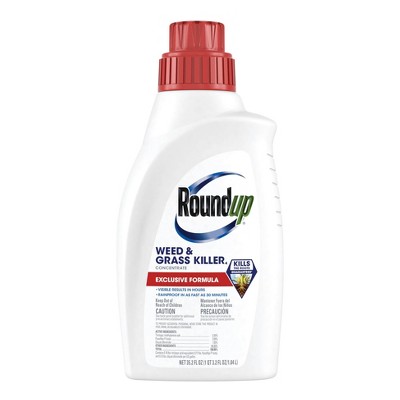
Sponsored
Powered by AI
Guests also ask:
Related searches
- kill weeds spray
- weed and grass killer spray
- weed killer pet safe
- weed lawn spray
- grass killer spray
- weed killer for lawns
- weed killer refill
- weed killer spray bottle
- spectrum weed spray
- spray kills weeds
- weed and grass killer
- bee killer spray
- bug killer spray
- roach killer spray
- insect killer spray
- weed and grass killer concentrate
- spectracide weed killer
- ant killer spray
- glyphosate spray
- fire extinguisher spray