Target New ArrivalsBack to SchoolCollegeClothing, Shoes & AccessoriesHome & DecorKitchen & DiningOutdoor Living & GardenGroceryHousehold EssentialsBabyBeautyPersonal CareSports & OutdoorsHealthWellnessSchool & Office SuppliesToys & GamesElectronics & TechVideo GamesMovies, Music & BooksParty SuppliesGift IdeasGift CardsPetsUlta Beauty at TargetShop by CommunityTarget OpticalDealsClearanceNew ArrivalsBack to SchoolCollegeTop DealsTarget Circle DealsWeekly AdShop Order PickupShop Same Day DeliveryRegistryRedCardTarget CircleFind Stores

weed killer spray

341 results for “weed killer spray”
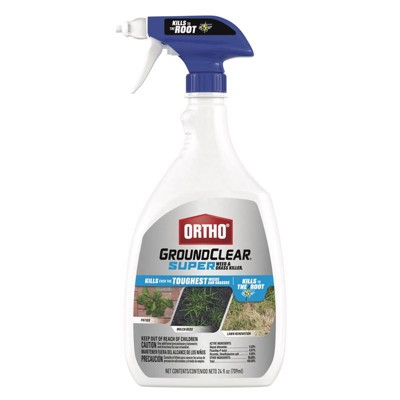
Ortho GroundClear Weed and Grass Killer RTU Liquid 24 oz

$27.49
reg $28.09
Sale

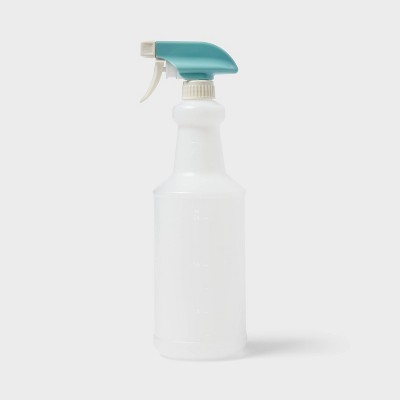
Spray Bottle - 32oz - up&up™

$2.89
4.2(545)
Loved for: great value

Sponsored

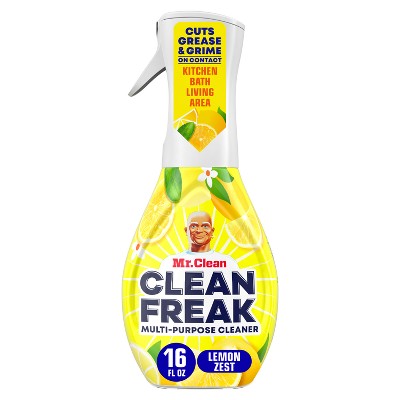
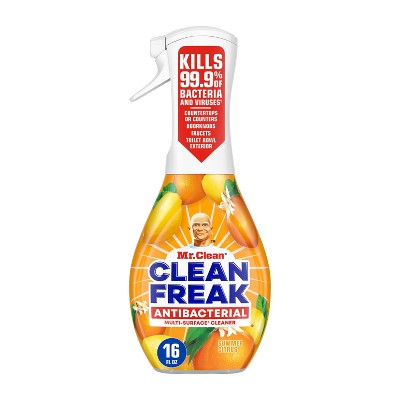
Mr. Clean Lemon Zest Clean Freak Multi-Purpose Cleaner - 16 fl oz

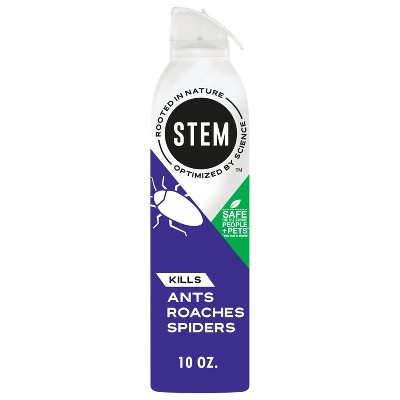
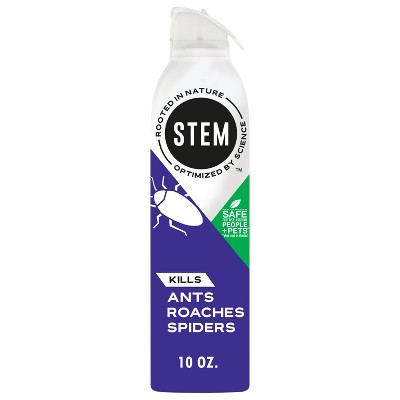
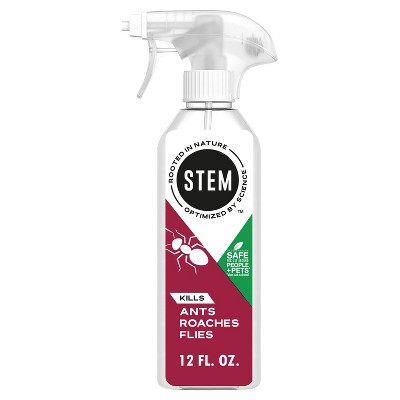
STEM Ant, Spider & Roach Insect Killer Spray - 10oz

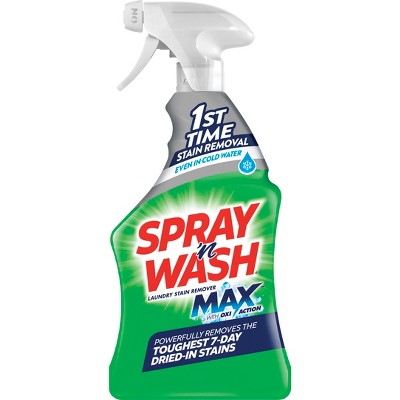
Spray 'n Wash Max - Trigger 22oz: Stain Remover, Bleach-Free, Fresh Scent

Sponsored

Powered by AI

Guests also ask:

Weed killer sprays come in several formats: ready-to-use (RTU) spray bottles, hose‑attach sprayers, and refill systems that pair with reusable or battery‑powered wands. Some products are sold as concentrates for mixing, while others include built‑in spray handles or snap‑in refill sprayer attachments for easy application.

Timing varies by product. Some contact sprays allow replanting in about 1–5 days. By contrast, residual‑preventer formulas create a soil barrier that can protect against new weeds for up to about 4 months and typically advise waiting roughly 4 months before planting sensitive ornamentals.

Many sprays are non‑selective and will damage lawn grass and other desirable plants if directly sprayed. Labels commonly advise protecting desirable plants during application and rinsing off any accidental spray immediately to limit damage.

Common mechanisms include: (1) contact dehydration — essential oil blends and surfactants that break down plant cells and desiccate foliage; (2) soap‑based contact herbicides — ammoniated fatty‑acid soaps that disrupt plant tissues on contact; and (3) root‑level or residual products — formulations that kill roots or create a soil barrier to prevent new weeds for months.

Speed depends on the formula: some fast‑acting contact soaps can show effects in minutes (around 20 minutes), many dehydration/contact sprays cause visible wilting within about an hour, and residual or systemic products may show yellowing within hours with full kill taking up to one to two weeks.

Guidance varies by product: some become rainproof within about 15–30 minutes, weed‑and‑feed types typically advise avoiding watering for about 24 hours, and many labels instruct letting treated areas dry before re‑entry. Replanting intervals also vary by product.

Get top deals, latest trends, and more.