Sponsored
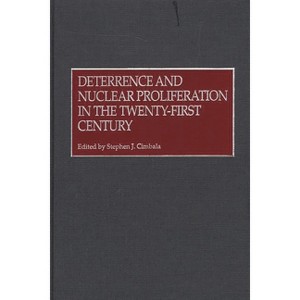
Deterrence and Nuclear Proliferation in the Twenty-First Century - by Stephen J Cimbala (Hardcover)
In Stock
Sponsored
About this item
Highlights
- This edited collection considers the future of nuclear weapons in world politics in terms of security issues that are important for U.S. and other policy makers.
- About the Author: STEPHEN J. CIMBALA is Distinguished Professor of Political Science at Penn State University (Delaware County) and has contributed to the literature on international security, defense studies, and nuclear arms control for more than twenty years.
- 192 Pages
- Political Science, International Relations
Description
About the Book
This edited collection considers the future of nuclear weapons in world politics in terms of security issues that are important for U.S. and other policy makers. The spread of nuclear weapons also is related to the equally dangerous proliferation of other weapons of mass destruction, including chemical and biological weapons, and of ballistic missiles of medium and longer ranges.
Cold War studies of nuclear weapons emphasized the U.S.-Soviet relationship, deterrence, and bilateral arms control. A less structured post-Cold War world will require more nuanced appreciation of the diversity of roles that nuclear weapons might play in the hands of new nuclear states or non-state actors. As the essays suggest as well, the possibility of terrorism by means of nuclear or other weapons of mass destruction introduces other uncertainties into military and policy planning. An important analysis for scholars, students, and researchers involved with defense, security, and foreign policy studies.
Book Synopsis
This edited collection considers the future of nuclear weapons in world politics in terms of security issues that are important for U.S. and other policy makers. The spread of nuclear weapons also is related to the equally dangerous proliferation of other weapons of mass destruction, including chemical and biological weapons, and of ballistic missiles of medium and longer ranges.
Cold War studies of nuclear weapons emphasized the U.S.-Soviet relationship, deterrence, and bilateral arms control. A less structured post-Cold War world will require more nuanced appreciation of the diversity of roles that nuclear weapons might play in the hands of new nuclear states or non-state actors. As the essays suggest as well, the possibility of terrorism by means of nuclear or other weapons of mass destruction introduces other uncertainties into military and policy planning. An important analysis for scholars, students, and researchers involved with defense, security, and foreign policy studies.Review Quotes
.,."well worth specialist attention."-The Journal of Slavic Military Studies
?...well worth specialist attention.?-The Journal of Slavic Military Studies
?...well worth specialist attention.??The Journal of Slavic Military Studies
..."well worth specialist attention."-The Journal of Slavic Military Studies
About the Author
STEPHEN J. CIMBALA is Distinguished Professor of Political Science at Penn State University (Delaware County) and has contributed to the literature on international security, defense studies, and nuclear arms control for more than twenty years. He serves on the editorial board of various professional journals and as a consultant to the U.S. government on arms control. He is the author or editor of 18 earlier Greenwood Press or Praeger Publishers titles, including, most recently, The Past and Future of Nuclear Deterrence.Shipping details
Return details
Trending Non-Fiction






Discover more options