Fitbit vs Whoop
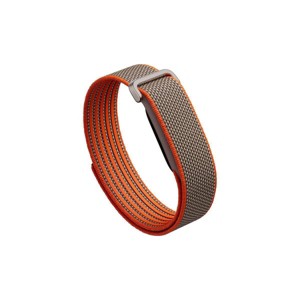
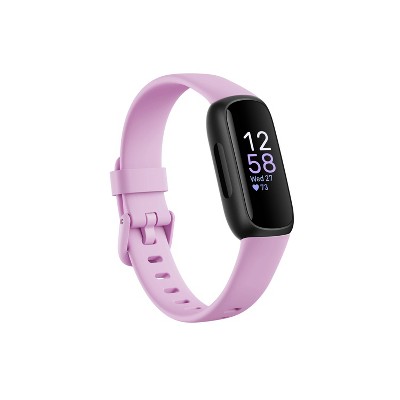
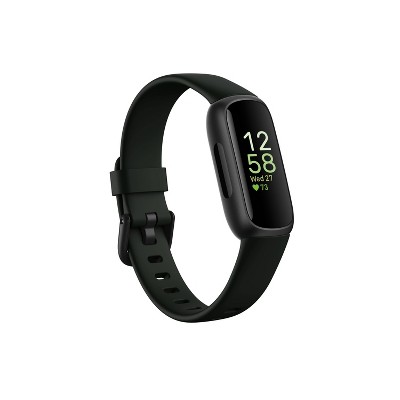
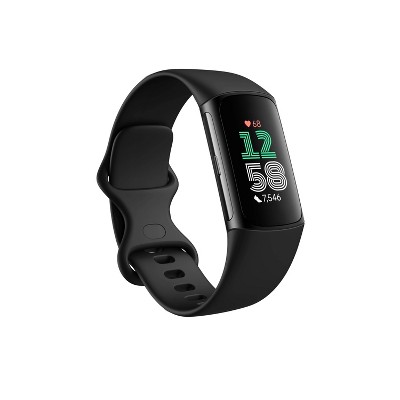
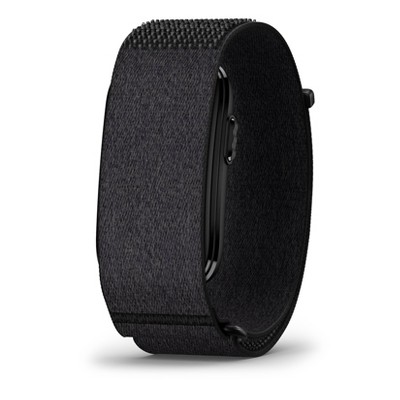
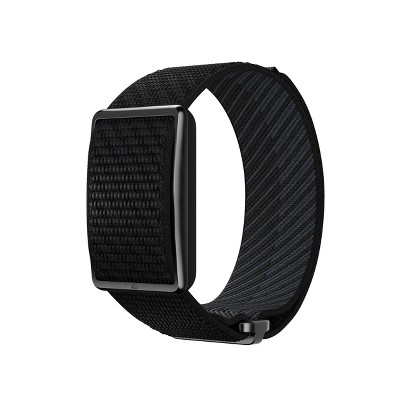
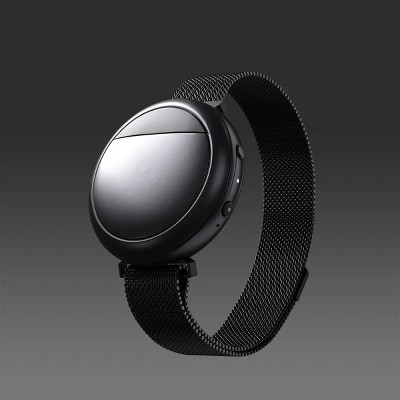
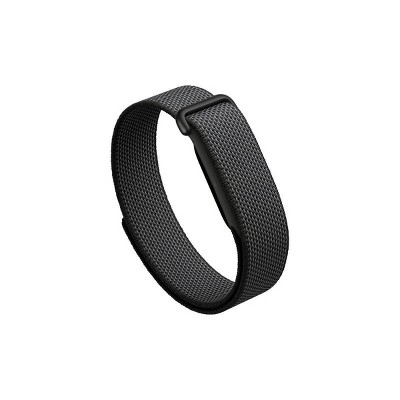
I’m a former Whoop user who moved away from the platform because of the cost, hoping the Fitbit Air would be a good, lower-cost alternative. It is, and it isn’t. What I really want is a fitness device I can partner with to stay healthy and hold me accountable. On cost, the Fitbit wins, which was the whole point for me. The band is $100 up front, and Google Health Premium is about $100/year (first three months free) — well below what Whoop was costing me. A few quick head-to-head impressions: • Looks and feel: Fitbit Air. • Charging: Whoop. I never had to take it off except to swap or wash the strap. The Fitbit has to come off to charge. • Navigation: Whoop — more intuitive. The feature I miss most from Whoop is Whoop Age. (Whoop Age is Whoop’s estimate of your physiological age — it takes roughly six months of your sleep, activity, and fitness data across nine science-backed metrics and tells you whether your body is running older or younger than your actual age.) It ranked the factors contributing to your Whoop Age and showed how each one moved the needle. Plenty of zone 4–5 work? Great — your Whoop Age gets younger. Not enough? Watch it tick up. I loved this because it pushed me toward the factors actually backed by science for healthy living. My bedtime got much more consistent because of the tracker — I could see inconsistency dragging my score down, and more importantly, I felt much better when I was consistent. It compared you to the ideal, not to the standard (what’s the average American doing?). Every comparison I read said Whoop is for serious athletes and Fitbit is for someone interested in their health. Fine — I’m not training for a competitive event. I’m health-focused, and I didn’t really use Whoop’s recovery score to inform my training anyway (for whatever reason, the days it told me I had peak readiness were usually the days I felt most tired). Mostly I loved the Whoop Age idea, and I figured the Fitbit could give me coaching plans and answer questions about my data. Where the Fitbit Air falls short: 1. I now understand what people mean when they say it’s not designed for an athlete. I input my training schedule, so it knows I’m active, but the weekly cardio load target it set me felt arbitrarily low at 75. Example: Day 1, a 30-minute, mostly flat hike with one stretch of hills and higher heart rate. Day 2, sick as a dog — lots of sitting and TV. Day 3, a 30-minute bootcamp. With just that, I was already at 178% of my weekly target. I asked the AI and it said it sets the goal lower early on so people don’t give up. I get that — but I’d prefer the option to set it as “here’s what you should be doing,” and if I don’t hit it, I just fall short. Apparently it’ll adjust over time based on my activity. It also doesn’t use standard terminology: it’s not “zone 5,” it’s “peak effort,” and whatever correlates to zone 1 is basically “you’re alive and breathing” — I had 58 hours in that category last time I checked, which isn’t a helpful metric. I’d prefer everything indexed to zones, with a focus on intentional effort. 2. The Coach has potential, but it’s not as smooth as I expected from Google. On my bootcamp day, the app flagged my high cardio load and guessed it was probably high because my body was under load from feeling sick — but it didn’t recognize the 30-minute bootcamp session I’d actually done. Overall, I see a lot of potential here, and given the company behind it, I fully expect the AI to keep improving. It’s good at answering questions (“how many minutes in my top two zones so far?”), and I liked the training plan it generated. There are still some bugs, but the dashboards are useful and easy to navigate. On accuracy, I haven’t done rigorous testing, but the stats generally seem consistent with my Apple Watch. I’ll update this review after I’ve had more time with it.