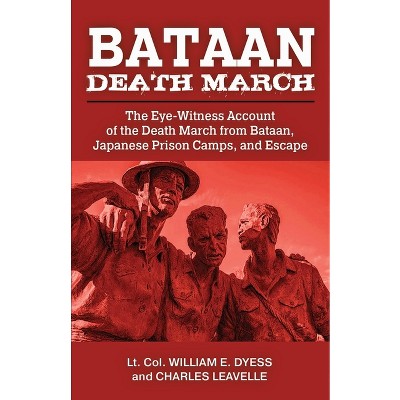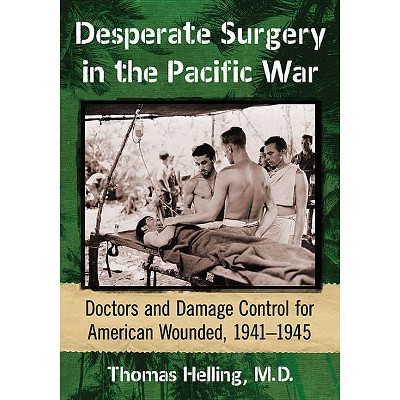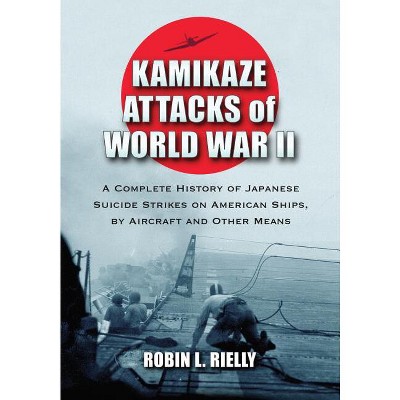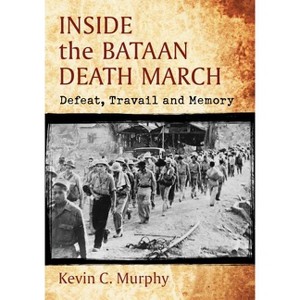
For two weeks during the spring of 1942, the Bataan Death March--one of the most widely condemned atrocities of World War II--unfolded.
About the Author: Kevin C. Murphy chairs the Department of Humanities at the University of the Sciences in Philadelphia.
328 Pages
History, Military
Description
About the Book
For two weeks during the spring of 1942, the Bataan Death March--one of the most widely condemned atrocities of World War II--unfolded. The prevailing interpretation of this event is simple: American prisoners of war suffered cruel treatment at the hands of their Japanese captors while Filipinos, sympathetic to the Americans, looked on. Most survivors of the march wrote about their experiences decades after the war and a number of factors distorted their accounts. The crucial aspect of memory is central to this study--how it is constructed, by whom and for what purpose. This book questions the prevailing interpretation, reconsiders the actions of all three groups in their cultural contexts and suggests a far greater complexity. Among the conclusions is that violence on the march was largely the result of a clash of cultures--undisciplined, individualistic Americans encountered Japanese who valued order and form, while Filipinos were active, even ambitious, participants in the drama.
Book Synopsis
For two weeks during the spring of 1942, the Bataan Death March--one of the most widely condemned atrocities of World War II--unfolded. The prevailing interpretation of this event is simple: American prisoners of war suffered cruel treatment at the hands of their Japanese captors while Filipinos, sympathetic to the Americans, looked on.
Most survivors of the march wrote about their experiences decades after the war and a number of factors distorted their accounts. The crucial aspect of memory is central to this study--how it is constructed, by whom and for what purpose. This book questions the prevailing interpretation, reconsiders the actions of all three groups in their cultural contexts and suggests a far greater complexity. Among the conclusions is that violence on the march was largely the result of a clash of cultures--undisciplined, individualistic Americans encountered Japanese who valued order and form, while Filipinos were active, even ambitious, participants in the drama.
Review Quotes
"may be the most comprehensive study of the Bataan Death March in decades...highly recommend"-Military Review.
About the Author
Kevin C. Murphy chairs the Department of Humanities at the University of the Sciences in Philadelphia. He is the author of numerous scholarly articles and two previous books. He lives in Wilmington, Delaware.
Dimensions (Overall): 9.9 Inches (H) x 6.9 Inches (W) x .9 Inches (D)
Weight: 1.25 Pounds
Suggested Age: 22 Years and Up
Number of Pages: 328
Genre: History
Sub-Genre: Military
Publisher: McFarland & Company
Theme: World War II
Format: Paperback
Author: Kevin C Murphy
Language: English
Street Date: October 27, 2014
TCIN: 1011334659
UPC: 9780786496815
Item Number (DPCI): 247-12-9694
Origin: Made in the USA or Imported
If the item details aren’t accurate or complete, we want to know about it.
Shipping details
Estimated ship dimensions: 0.9 inches length x 6.9 inches width x 9.9 inches height
Estimated ship weight: 1.25 pounds
We regret that this item cannot be shipped to PO Boxes.
This item cannot be shipped to the following locations: American Samoa (see also separate entry under AS), Guam (see also separate entry under GU), Northern Mariana Islands, Puerto Rico (see also separate entry under PR), United States Minor Outlying Islands, Virgin Islands, U.S., APO/FPO, Alaska, Hawaii
Return details
This item can be returned to any Target store or Target.com.
This item must be returned within 90 days of the date it was purchased in store, delivered to the guest, delivered by a Shipt shopper, or picked up by the guest.