Sponsored
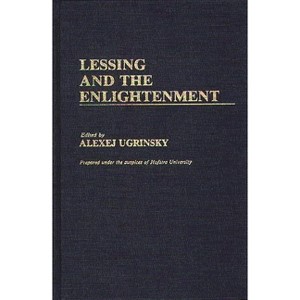
Lessing and the Enlightenment - (Contributions to the Study of World Literature) by Unknown (Hardcover)
In Stock
Sponsored
About this item
Highlights
- This essay collection grew out of a Hofstra University conference on the life, works, and influence of Gotthold Ephraim Lessing, the eighteenth-century German playwright, critic, and philosopher who essentially established a new national literature in Germany during the Enlightenment.
- About the Author: rinsky /f Alexej /r ed.
- 198 Pages
- Drama, European
- Series Name: Contributions to the Study of World Literature
Description
About the Book
This essay collection grew out of a Hofstra University conference on the life, works, and influence of Gotthold Ephraim Lessing, the eighteenth-century German playwright, critic, and philosopher who essentially established a new national literature in Germany during the Enlightenment. The volume is divided into two main sections, in which various scholars confront and reevaluate two contrasting aspects of Lessing's character; the irrational poet and the rational thinker. In the first section, Lessing's aesthetics are discussed. His link to English literature, as well as his influence upon the then emerging novel, are the subject of special consideration here. In the second section, Lessing's philosophical connection to traditions such as utopianism, classical republicanism, and eighteen-century humanism is discussed. Also considered are Lessing's intellectual connections with Rumanian literature; feminist and other ideological interpretations of his works; and his relation to some of his contemporaries. An introductory article stresses current and future trends in Lessing scholarhip.
Book Synopsis
This essay collection grew out of a Hofstra University conference on the life, works, and influence of Gotthold Ephraim Lessing, the eighteenth-century German playwright, critic, and philosopher who essentially established a new national literature in Germany during the Enlightenment. The volume is divided into two main sections, in which various scholars confront and reevaluate two contrasting aspects of Lessing's character; the irrational poet and the rational thinker. In the first section, Lessing's aesthetics are discussed. His link to English literature, as well as his influence upon the then emerging novel, are the subject of special consideration here. In the second section, Lessing's philosophical connection to traditions such as utopianism, classical republicanism, and eighteen-century humanism is discussed. Also considered are Lessing's intellectual connections with Rumanian literature; feminist and other ideological interpretations of his works; and his relation to some of his contemporaries. An introductory article stresses current and future trends in Lessing scholarhip.About the Author
rinsky /f Alexej /r ed.
Shipping details
Return details
Trending Drama

Discover more options