Sponsored
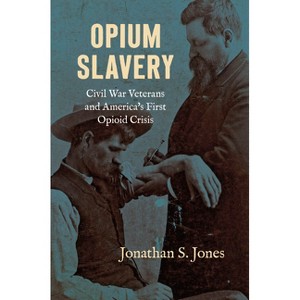
Opium Slavery - (Civil War America) by Jonathan S Jones (Paperback)
In Stock
Sponsored
About this item
Highlights
- During the Civil War, the utility and widespread availability of opium and morphine made opiates essential to wartime medicine.
- About the Author: Jonathan S. Jones is assistant professor of history at James Madison University.
- 412 Pages
- History, United States
- Series Name: Civil War America
Description
About the Book
"During the Civil War, the utility and widespread availability of opium and morphine made opiates essential to wartime medicine. After the war ended, thousands of ailing soldiers became addicted, or 'enslaved,' as nineteenth-century Americans phrased it. Veterans, their families, and communities struggled to cope with addiction's health and social consequences. Medical and government authorities compounded veterans' suffering and imbued the epidemic with cultural meaning by branding addiction as a matter of moral weakness, unmanliness, or mental infirmity. Framing addiction as 'opium slavery' limited the efficacy of care and left many veterans to suffer needlessly for decades after the war ended. Drawing from veterans' firsthand accounts as well as mental asylum and hospital records, government and medical reports, newspaper coverage of addiction, and advertisements, Jonathan S. Jones unearths the poorly understood stories of opiate-addicted Civil War veterans in unflinching detail, illuminating the war's traumatic legacies. In doing so, Jones provides critical historical context for the modern opioid crisis, which bears tragic resemblance to that of the post-Civil War era"-- Provided by publisheBook Synopsis
During the Civil War, the utility and widespread availability of opium and morphine made opiates essential to wartime medicine. After the war ended, thousands of ailing soldiers became addicted, or "enslaved," as nineteenth-century Americans phrased it. Veterans, their families, and communities struggled to cope with addiction's health and social consequences. Medical and government authorities compounded veterans' suffering and imbued the epidemic with cultural meaning by branding addiction as a matter of moral weakness, unmanliness, or mental infirmity. Framing addiction as "opium slavery" limited the efficacy of care and left many veterans to suffer needlessly for decades after the war ended.
Drawing from veterans' firsthand accounts as well as mental asylum and hospital records, government and medical reports, newspaper coverage of addiction, and advertisements, Jonathan S. Jones unearths the poorly understood stories of opiate-addicted Civil War veterans in unflinching detail, illuminating the war's traumatic legacies. In doing so, Jones provides critical historical context for the modern opioid crisis, which bears tragic resemblance to that of the post-Civil War era.
Review Quotes
"This book will move our study of Civil War veterans in a new direction--and recover the stories of men and women who have otherwise been forgotten in the war."--Civil War Monitor's Best Civil War Books of 2025
"Driven by the gripping stories of opiate-addicted Civil War veterans, Opium Slavery is a compelling read as well as a rich and textured analysis of an important topic that has--somehow!--not received the attention it deserves. The result is a sensitive exploration of how war, trauma, and social prejudices affected a generation of people who used drugs."--David Herzberg, author of White Market Drugs: Big Pharma and the Hidden History of Addiction in America
"This is scholarship of the highest order--deeply researched, smartly framed, elegantly written, and poignantly urgent. Through innovative use of digital tools and painstaking archival research, Opium Slavery illuminates how addiction emerged from the wreckage of war and became woven into the fabric of the Second American Republic. This book compels us to rethink not only the Civil War but also the long history of trauma, therapeutics, and addiction in the United States." --Jim Downs, author of Maladies of Empire: How Colonialism, Slavery, and War Transformed Medicine
About the Author
Jonathan S. Jones is assistant professor of history at James Madison University.Shipping details
Return details
Frequently bought together


Guests also viewed


Discover more options