The optic nerve and the brain comprise the main anatomic components of neuro-ophthalmology.
Author(s): Jane W Chan
284 Pages
Medical, Ophthalmology
Description
About the Book
The only practical reference on common optic nerve disorders, this book discusses diagnosis, pathophysiology, management, and prognosis of complex optic nerve disorders. Coverage is organized by diagnoses commonly encountered in neuro-ophthalmologic practice.
Book Synopsis
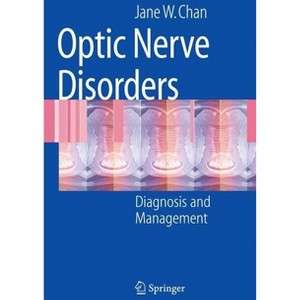
The optic nerve and the brain comprise the main anatomic components of neuro-ophthalmology. Although there are numerous handbooks and major texts describing all the common disorders of neuro-ophthalmology, Optic Nerve Disorders is the only practical reference book focusing only on common optic nerve disorders. The author discusses diagnosis, pathophysiology, management, and prognosis of complex optic nerve disorders. Optic Nerve Disorders is organized by optic nerve diagnoses commonly encountered in a neuro-ophthalmologic practice. It is written in a clear, concise style for quick, easy reference in the clinic.
Each chapter is formatted in a similar manner and thoroughly discusses epidemiology, diagnosis (by clinical signs and symptoms and by electrophysiologic, ocular and neuroimaging techniques), pathophysiology, management (by both conventional treatments and experimental/newer medications under consideration) and prognosis.
Updated information on diagnostics techniques, such as OCT, mfVEP, mfERG, VEP, ERG, the Heidleberg Tomograph and Gdx Nerve Fiber Analyzer, for imaging of the optic nerve will be incorporated into each of the chapters. Updated genetic testing for hereditary optic neuropathies will also be covered. Diagnosis of neuro-ophthalmologic disorders with newer neuroimaging techniques, such as PET, SPECT, and diffusion-weighted imaging, will be explained. New data from clinical studies, such as beta-interferons for optic neuritis, will be presented for the management of each disorder.
Optic Nerve Disorders also provides an update on the latest clinical techniques in diagnosing specific optic nerve disorders and gives the most recent theories on pathophysiology. Current management recommendations for each disorder are also outlined. Neurologists and ophthalmologists will find this book useful when they need a practical reference for incorporating optic nerve evaluation in their clinical practice.
From the Back Cover
The optic nerve and the brain comprise the main anatomic components of neuro-ophthalmology. Although there are numerous handbooks and major texts describing all the common disorders of neuro-ophthalmology, OPTIC NERVE DISORDERS provides a practical reference book focusing only on common optic nerve disorders.
This book is organized by optic nerve diagnoses commonly encountered in a neuro-ophthalmologic practice. It is written in a clear, concise style for quick, easy reference in the clinic. The organization of each chapter includes:
- epidemiology;
- diagnosis by clinical signs and symptoms and by electrophysiologic, ocular and neuroimaging techniques;
- pathophysiology;
- management by conventional treatments; experimental/newer medications under consideration;
- prognosis.
Updated information on diagnostic techniques, including OCT and mfVEP, and genetic testing for hereditary optic neuropathies are discussed. New data from clinical studies, such as beta-interferons for optic neuritis, are presented for the management of each disorder. Diagnosis of neuro-ophthalmologic disorders with newer neuroimaging techniques, such as PET, SPECT, and diffusion-weighted imaging are fully explained. New data from clinical studies (beta-interferons for optic neuritis, for instance) will be presented for the management of each disorder.
Review Quotes
From the reviews:
"'This book is intended for any physician, including ophthalmologists, neurologists and neurosurgeons. Fellows, residents, and medical students can acquire an up-to-date knowledge base', and the clear colour plates increase its usefulness for those ... who are less familiar with the clinical scenarios. ... The other benefit of this book is the extensive list of references for all chapters, which form a good basis for further study. ... It would be a useful addition to 'staff room libraries' in neurology and ophthalmology outpatient clinics ... ." (Graham Kyle, Eye News, December/January, 2011)
Dimensions (Overall): 9.7 Inches (H) x 6.6 Inches (W) x .5 Inches (D)
Weight: 1.7 Pounds
Suggested Age: 22 Years and Up
Number of Pages: 284
Genre: Medical
Sub-Genre: Ophthalmology
Publisher: Springer
Format: Paperback
Author: Jane W Chan
Language: English
Street Date: December 9, 2009
TCIN: 1013290872
UPC: 9781441915870
Item Number (DPCI): 247-61-2351
Origin: Made in the USA or Imported
If the item details aren’t accurate or complete, we want to know about it.
Shipping details
Estimated ship dimensions: 0.5 inches length x 6.6 inches width x 9.7 inches height
Estimated ship weight: 1.7 pounds
We regret that this item cannot be shipped to PO Boxes.
This item cannot be shipped to the following locations: American Samoa (see also separate entry under AS), Guam (see also separate entry under GU), Northern Mariana Islands, Puerto Rico (see also separate entry under PR), United States Minor Outlying Islands, Virgin Islands, U.S., APO/FPO, Alaska, Hawaii
Return details
This item can be returned to any Target store or Target.com.
This item must be returned within 90 days of the date it was purchased in store, delivered to the guest, delivered by a Shipt shopper, or picked up by the guest.