New ArrivalsGift Ideas for MomClothing, Shoes & AccessoriesHomeKitchen & DiningOutdoor Living & GardenFurnitureGroceryHousehold EssentialsBabyBeautyPersonal CareHealthWellnessBackpacks & LuggageSports & OutdoorsToysElectronicsVideo GamesMovies, Music & BooksSchool & Office SuppliesParty SuppliesGift IdeasGift CardsPetsUlta Beauty at TargetShop by CommunityTarget OpticalDealsClearanceTarget New ArrivalsHome Decor Ideas & TrendsTop DealsTarget Circle DealsWeekly AdShop Order PickupShop Same Day DeliveryRegistryRedCardTarget CircleFind Stores
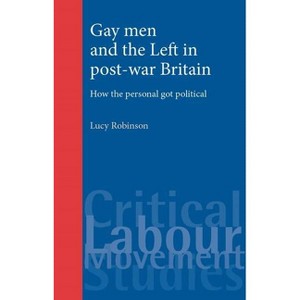
Gay Men and the Left in Post-War Britain - (Critical Labour Movement Studies) by  Lucy Robinson (Paperback) - 1 of 1

Gay Men and the Left in Post-War Britain - (Critical Labour Movement Studies) by Lucy Robinson (Paperback)

$29.95

In Stock

Eligible for registries and wish lists

About this item

Highlights

  • Available in paperback for the first time, his book demonstrates how the personal became political in post-war Britain, and argues that attention to gay activism can help us to fundamentally rethink the nature of post-war politics.
  • About the Author: Lucy Robinson is Lecturer in Modern British History at the University of Sussex.
  • 232 Pages
  • Social Science, LGBT Studies
  • Series Name: Critical Labour Movement Studies

Description


About the Book


When the personal became political it changed British politics for ever. Gay men and the left, available in paperback for the first time, explores the enormous impact that gay politics had on the landscape of post-war Britain.


Book Synopsis


Available in paperback for the first time, his book demonstrates how the personal became political in post-war Britain, and argues that attention to gay activism can help us to fundamentally rethink the nature of post-war politics. While the Left were fighting among themselves and the reformists were struggling with the limits of law reform, gay men started organising for themselves, first individually within existing organisations and later rejecting formal political structures altogether.

Culture, performance and identity took over from economics and class struggle, as gay men worked to change the world through the politics of sexuality. Throughout the post-war years, the new cult of the teenager in the 1950s, CND and the counter-culture of the 1960s, gay liberation, feminism, the Punk movement and the miners' strike of 1984 all helped to build a politics of identity.

There is an assumption among many of today's politicians that young people are apathetic and disengaged. This book argues that these politicians are looking in the wrong place. People now feel that they can impact the world through the way in which they live, shop, have sex and organise their private lives. Robinson shows that gay men and their politics have been central to this change in the post-war world.


From the Back Cover


Available in paperback for the first time, this book demonstrates how the personal became political in post-war Britain, and argues that attention to gay activism can help us to fundamentally rethink the nature of post-war politics. While the Left were fighting among themselves and the reformists were struggling with the limits of law reform, gay men started organising for themselves, first individually within existing organisations and later rejecting formal political structures altogether.

Culture, performance and identity took over from economics and class struggle, as gay men worked to change the world through the politics of sexuality. Throughout the post-war years, the new cult of the teenager in the 1950s, CND and the counter-culture of the 1960s, gay liberation, feminism, the Punk movement and the miners' strike of 1984 all helped to build a politics of identity.

There is an assumption among many of today's politicians that young people are apathetic and disengaged. This book argues that these politicians are looking in the wrong place. People now feel that they can impact the world through the way in which they live, shop, have sex and organise their private lives. Robinson shows that gay men and their politics have been central to this change in the post-war world.


Review Quotes


"Lucy Robinson's excellent account of 'how the personal got political' tells the story of Clause 28 and some of what happened afterwards, but mostly it tells what went before."
James Heartfield, Spiked Review of Books.


About the Author


Lucy Robinson is Lecturer in Modern British History at the University of Sussex.
Dimensions (Overall): 9.21 Inches (H) x 6.14 Inches (W) x .49 Inches (D)
Weight: .73 Pounds
Suggested Age: 22 Years and Up
Number of Pages: 232
Genre: Social Science
Sub-Genre: LGBT Studies
Series Title: Critical Labour Movement Studies
Publisher: Manchester University Press
Format: Paperback
Author: Lucy Robinson
Language: English
Street Date: November 30, 2011
TCIN: 85040259
UPC: 9780719086397
Item Number (DPCI): 247-41-6899
Origin: Made in the USA or Imported
If the item details aren’t accurate or complete, we want to know about it.

Shipping details

Estimated ship dimensions: 0.49 inches length x 6.14 inches width x 9.21 inches height
Estimated ship weight: 0.73 pounds
We regret that this item cannot be shipped to PO Boxes.
This item cannot be shipped to the following locations: American Samoa (see also separate entry under AS), Guam (see also separate entry under GU), Northern Mariana Islands, Puerto Rico (see also separate entry under PR), United States Minor Outlying Islands, Virgin Islands, U.S., APO/FPO, Alaska, Hawaii

Return details

This item can be returned to any Target store or Target.com.
This item must be returned within 90 days of the date it was purchased in store, delivered to the guest, delivered by a Shipt shopper, or picked up by the guest.
See the return policy for complete information.

Q: What is the significance of the 232 pages?

submitted by AI Shopping Assistant - 18 days ago
  • A: The 232 pages provide an in-depth analysis of the transformation of politics through the lens of gay men's activism.

    submitted byAI Shopping Assistant - 18 days ago
    Ai generated

Q: What type of political movements are discussed in the book?

submitted by AI Shopping Assistant - 18 days ago
  • A: The book discusses gay liberation, feminism, counter-culture, and how they intersect with identity politics.

    submitted byAI Shopping Assistant - 18 days ago
    Ai generated

Q: What key themes does the book explore?

submitted by AI Shopping Assistant - 18 days ago
  • A: The book explores themes of gay activism, personal politics, and the impact of identity on post-war British politics.

    submitted byAI Shopping Assistant - 18 days ago
    Ai generated

Q: Who is the author of this book?

submitted by AI Shopping Assistant - 18 days ago
  • A: The author is Lucy Robinson, a Lecturer in Modern British History at the University of Sussex.

    submitted byAI Shopping Assistant - 18 days ago
    Ai generated

Q: What historical period does the book focus on?

submitted by AI Shopping Assistant - 18 days ago
  • A: It focuses on post-war Britain, examining political and social changes from the late 1940s onward.

    submitted byAI Shopping Assistant - 18 days ago
    Ai generated

Additional product information and recommendations

Get top deals, latest trends, and more.

Privacy policy

Footer

About Us

About TargetCareersNews & BlogTarget BrandsBullseye ShopSustainability & GovernancePress CenterAdvertise with UsInvestorsAffiliates & PartnersSuppliersTargetPlus

Help

Target HelpReturnsTrack OrdersRecallsContact UsFeedbackAccessibilitySecurity & FraudTeam Member ServicesLegal & Privacy

Stores

Find a StoreClinicPharmacyTarget OpticalMore In-Store Services

Services

Target Circle™Target Circle™ CardTarget Circle 360™Target AppRegistrySame Day DeliveryOrder PickupDrive UpFree 2-Day ShippingShipping & DeliveryMore Services
PinterestFacebookInstagramXYoutubeTiktokTermsCA Supply ChainPrivacy PolicyCA Privacy RightsYour Privacy ChoicesInterest Based AdsHealth Privacy Policy