Sponsored
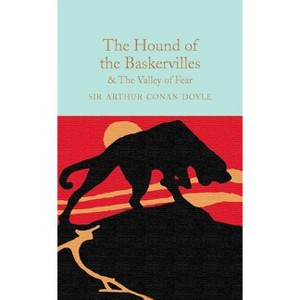
The Hound of the Baskervilles & the Valley of Fear - by Arthur Conan Doyle (Hardcover)
In Stock
Sponsored
About this item
Highlights
- Designed to appeal to the book lover, the Macmillan Collector's Library is a series of beautifully bound pocket-sized gift editions of much loved classic titles.
- About the Author: Arthur Conan Doyle was born in Edinburgh in 1859.
- 424 Pages
- Fiction + Literature Genres, Classics
Description
Book Synopsis
Designed to appeal to the book lover, the Macmillan Collector's Library is a series of beautifully bound pocket-sized gift editions of much loved classic titles. Bound in real cloth, printed on high quality paper, and featuring ribbon markers and gilt edges, Macmillan Collector's Library are books to love and treasure.
The Hound of the Baskervilles is one of Doyle's best-known Holmes novels, frequently adapted for film and television, which is not surprising given the highly dramatic scenes of mist-wrapped moors echoing to the horrific howls of a supernatural hound. Is this a genuinely devilish apparition or is there a cunning murderer at work? Only Sherlock Holmes can solve the mystery. This volume also contains The Valley of Fear, a dark, powerful tale in which Holmes confronts the evil Professor Moriarty once more.
About the Author
Arthur Conan Doyle was born in Edinburgh in 1859. After a rigorous Jesuit education, at Stonyhurst College in Lancashire, he trained to be a doctor at Edinburgh University. Eventually he set up in medical practice in Southsea and, during the quiet periods between patients, he turned his hand to writing. Although Sherlock Holmes was Doyle's greatest creation, he believed his historical novels such as Micah Clarke and The White Company were of greater literary quality. He also created the irascible Professor Challenger in The Lost World and the comic French soldier Brigadier Gerard who appeared in a series of short stories. Doyle was knighted in 1902. Towards the end of his life he devoted much of his time to his belief in Spiritualism, using his writings as a means of providing funds to support his activities in this field. He died in 1930.Shipping details
Return details
Frequently bought together

Trending Literary Fiction