Sponsored
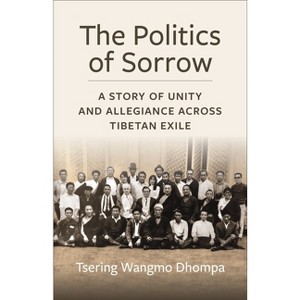
The Politics of Sorrow - (Studies of the Weatherhead East Asian Institute, Columbia Un) by Tsering Wangmo Dhompa
$28.00
In Stock
Eligible for registries and wish lists
Sponsored
About this item
Highlights
- The Dalai Lama escaped from Tibet in 1959 after its occupation by China and established a government in exile in India.
- About the Author: Tsering Wangmo Dhompa is a professor of literature and creative writing at Villanova University.
- 376 Pages
- History, Asia
- Series Name: Studies of the Weatherhead East Asian Institute, Columbia Un
Description
About the Book
The Politics of Sorrow tells the story of the Group of Thirteen, a collective of chieftains and lamas from the regions of Kham and Amdo, who sought to preserve Tibet's cultural diversity in exile.Book Synopsis
The Dalai Lama escaped from Tibet in 1959 after its occupation by China and established a government in exile in India. There, Tibetan leaders aimed to bring together displaced people from varied religious traditions and local loyalties under the banner of unity. To contest Chinese colonization and stand up for self-determination, Tibetan refugees were asked to shed regional allegiances and embrace a vision of a shared national identity.
The Politics of Sorrow tells the story of the Group of Thirteen, a collective of chieftains and lamas from the regions of Kham and Amdo, who sought to preserve Tibet's cultural diversity in exile. They established settlements in India in the mid-1960s with the goal of protecting their regional and religious traditions, setting them apart from the majority of Tibetan refugees, who saw a common tradition as the basis for unifying the Tibetan people. Tsering Wangmo Dhompa traces these different visions for Tibetan governance and identity, juxtaposing the Tibetan government in exile's external struggle for international recognition with its lesser-known internal struggle to command loyalty within the diaspora. She argues that although unity was necessary for democracy and independence, it also drew painful boundaries between those who belonged and those who didn't. Drawing on insightful interviews with Tibetan elders and an exceptional archive of Tibetan exile texts, The Politics of Sorrow is a compelling narrative of a tumultuous time that reveals the complexities of Tibetan identities then and now.Review Quotes
Dhompa demonstrates that it is possible to hold all these messy goals and contradictions in tension, and she does so with sophistication, nuance, and grace, in a deeply compelling book that will benefit scholars of diaspora, nationalism, and identity in addition to those in Tibetan Studies.--Andrew S. Taylor, College of Saint Scholastica "Reading Religion"
Poignant and deeply personal, The Politics of Sorrow delves into the heart of the Tibetan struggle for identity. Grappling with the profound question of what constitutes a national identity amid the challenges of displacement, Dhompa chronicles Tibetans' arduous pursuit of building a nation in exile and invites readers to witness a community's journey to discover its voice.--Tsering Shakya, author of The Dragon in the Land of Snows: A History of Modern Tibet Since 1947
Bold, brave, and brilliant. In The Politics of Sorrow, Tsering Wangmo Dhompa unfolds an unknown, painful part of Tibetan history with the context and respect it deserves. Written with care, curiosity, and a poet's eye for detail, this book should be widely read and engaged.--Carole McGranahan, author of Writing Anthropology: Essays on Craft and Commitment
About the Author
Tsering Wangmo Dhompa is a professor of literature and creative writing at Villanova University. She is the author of the poetry collections My Rice Tastes Like the Lake (2011), In the Absent Everyday (2005), and Rules of the House (2002), as well as the memoir Coming Home to Tibet (2016). Her mother served as a member of parliament in the exile government for three terms.Dimensions (Overall): 8.5 Inches (H) x 5.5 Inches (W) x .84 Inches (D)
Weight: 1.05 Pounds
Suggested Age: 22 Years and Up
Number of Pages: 376
Genre: History
Sub-Genre: Asia
Series Title: Studies of the Weatherhead East Asian Institute, Columbia Un
Publisher: Columbia University Press
Theme: China
Format: Paperback
Author: Tsering Wangmo Dhompa
Language: English
Street Date: February 18, 2025
TCIN: 91635124
UPC: 9780231212472
Item Number (DPCI): 247-39-4519
Origin: Made in the USA or Imported
If the item details aren’t accurate or complete, we want to know about it.
Shipping details
Estimated ship dimensions: 0.84 inches length x 5.5 inches width x 8.5 inches height
Estimated ship weight: 1.05 pounds
We regret that this item cannot be shipped to PO Boxes.
This item cannot be shipped to the following locations: American Samoa (see also separate entry under AS), Guam (see also separate entry under GU), Northern Mariana Islands, Puerto Rico (see also separate entry under PR), United States Minor Outlying Islands, Virgin Islands, U.S., APO/FPO
Return details
This item can be returned to any Target store or Target.com.
This item must be returned within 90 days of the date it was purchased in store, shipped, delivered by a Shipt shopper, or made ready for pickup.
See the return policy for complete information.
Frequently bought together

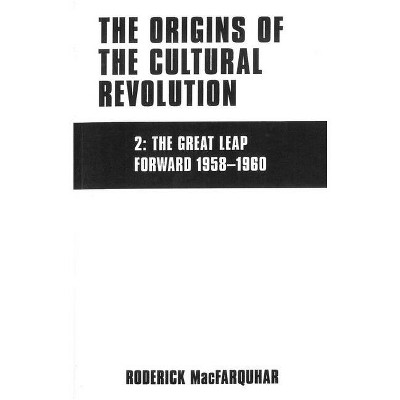

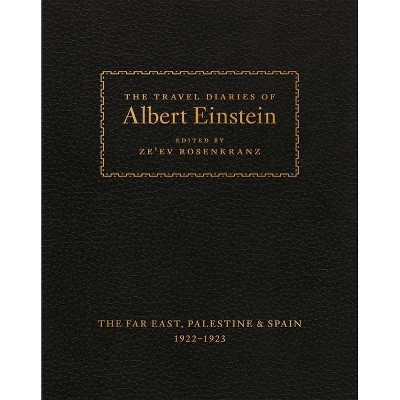
$18.89
MSRP $29.95
Trending Non-Fiction
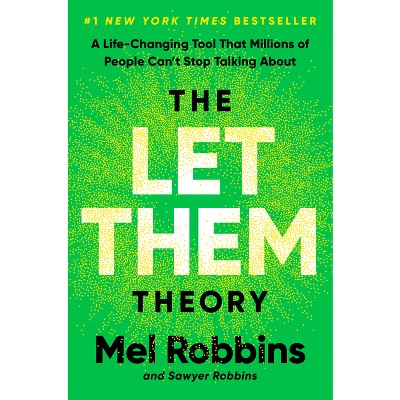

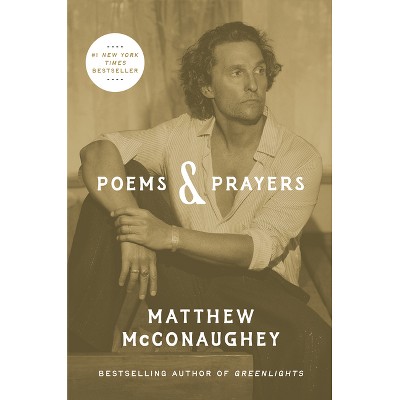
$18.28
was $19.58 New lower price
4.7 out of 5 stars with 17 ratings