activity mirror
1,000+ results for “activity mirror”
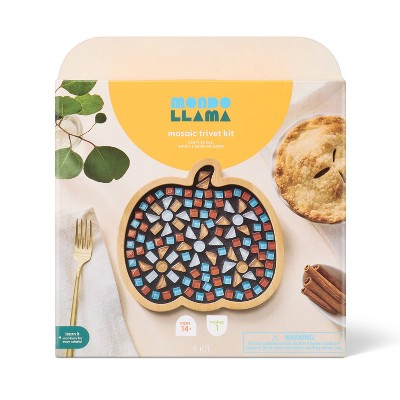
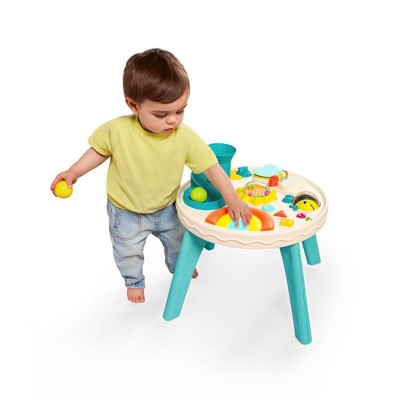
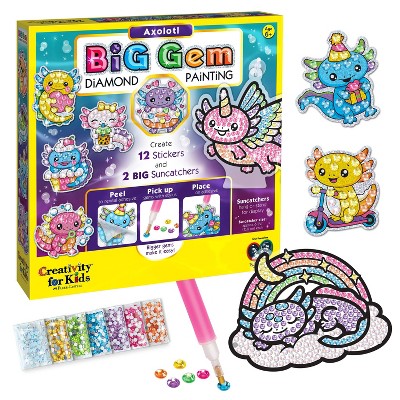
$16.49
Loved for: vibrant colors
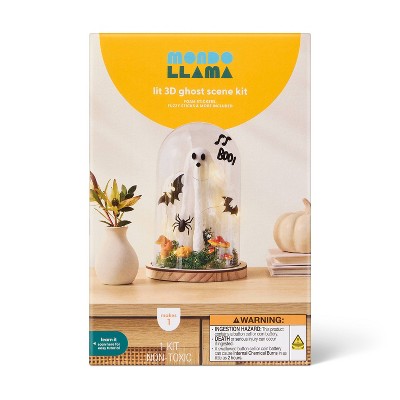
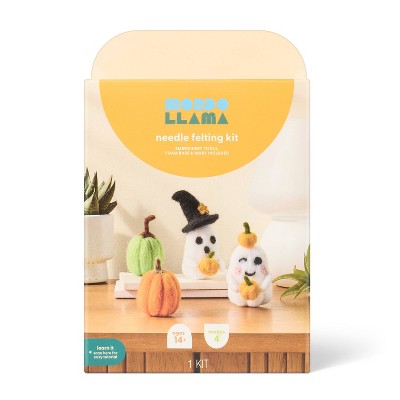
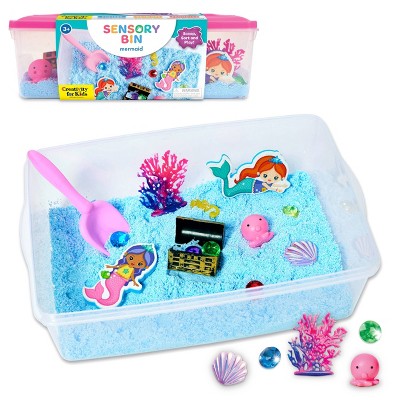
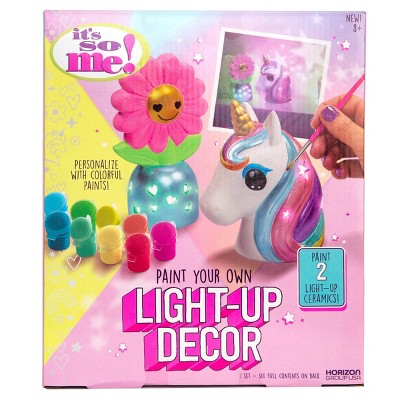
Sponsored
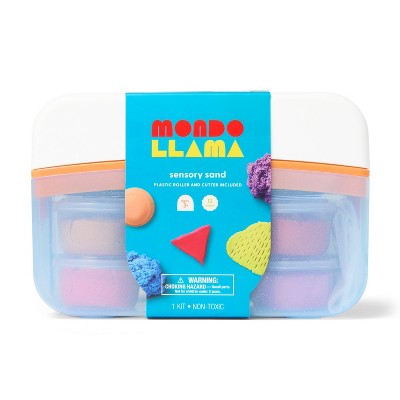
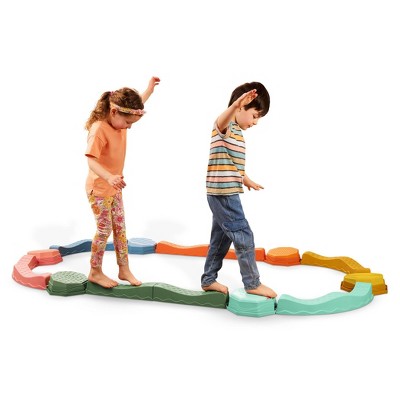
$41.99
Loved for: engaging design
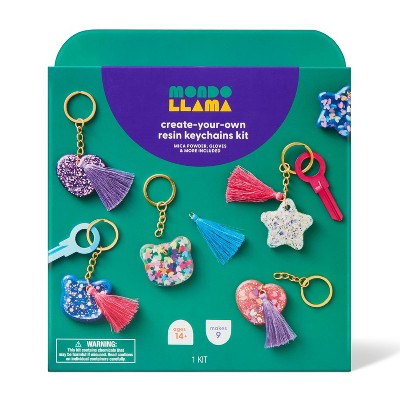
$10.00
Loved for: creative crafting experience
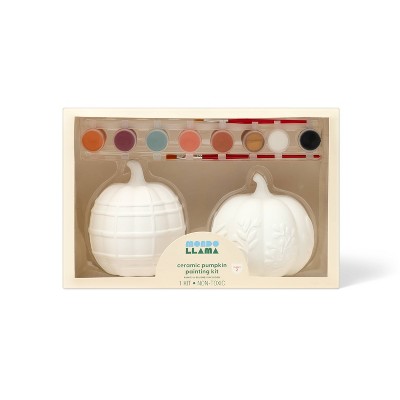
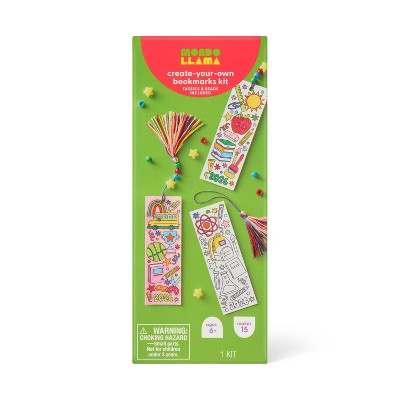
$4.25
reg $5.00
Clearance
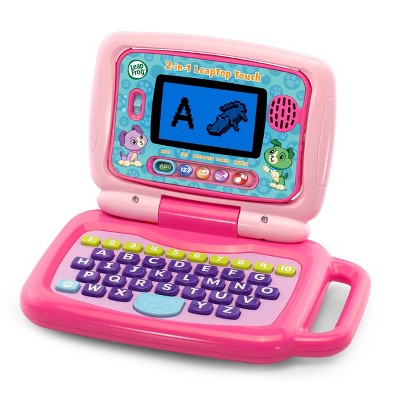
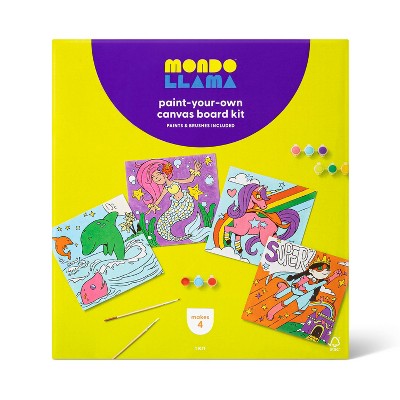
$10.00
Loved for: vibrant paint colors
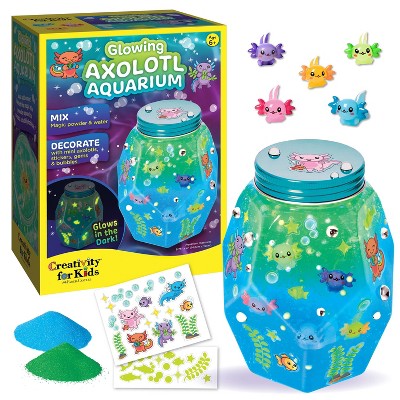
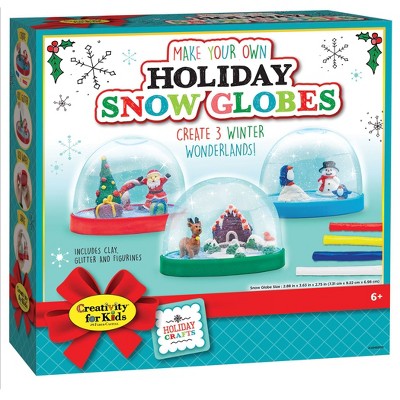
$19.99
Loved for: creative activity
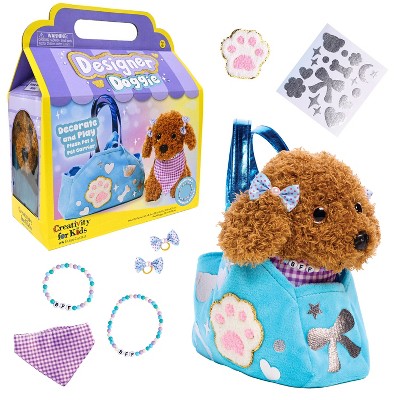
$15.99
Loved for: creative play
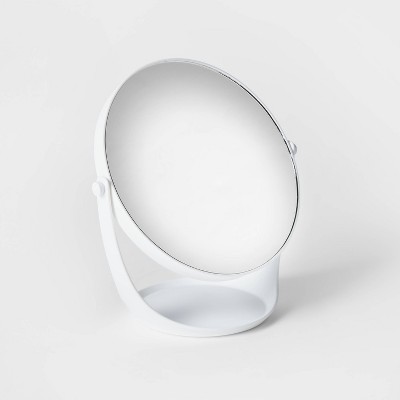
$8.00


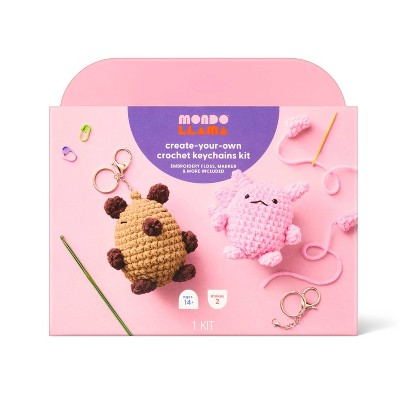
Sponsored
Powered by AI
Guests also ask:
Related searches
- see my feelings mirror
- kid activity craft
- kids activities
- kids car travel activities
- kids activity box
- toddler activity box
- little girl activities
- car activity tray
- mirror paint
- activities for kids
- kids road trip activities
- activities for toddlers
- bright starts bounce activity
- activities for 3 year olds
- kid car activity
- activities for 2 year old
- travel activities for kids
- mess free toddler activities
- fun activities for kids
- 5 year old girl activity