Target New ArrivalsHalloweenClothing, Shoes & AccessoriesHome & DecorKitchen & DiningPatio, Lawn & GardenGroceryHousehold EssentialsBabyBeautyTarget Beauty StudioPersonal CareSports & OutdoorsPetsHealthWellnessSchool & Office SuppliesToys & GamesElectronics & TechVideo GamesBooks, Music & MoviesParty SuppliesGift IdeasGift CardsShop by CommunityTarget OpticalDealsClearanceNew ArrivalsBack to SchoolCollegeTop DealsTarget Circle DealsWeekly AdShop Order PickupShop Same Day DeliveryRegistryRedCardTarget CircleFind Stores

baby coffee toy

1,000+ results for “baby coffee toy”
Sponsored

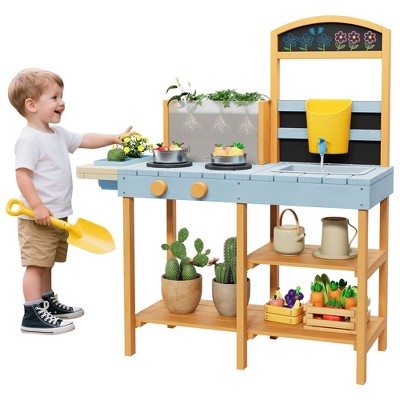
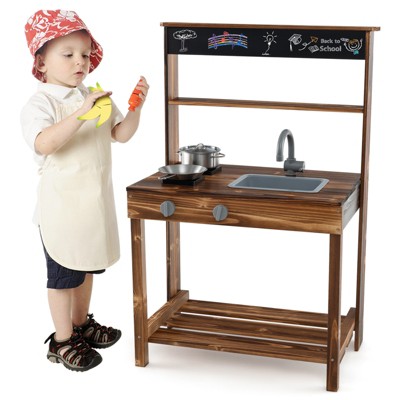
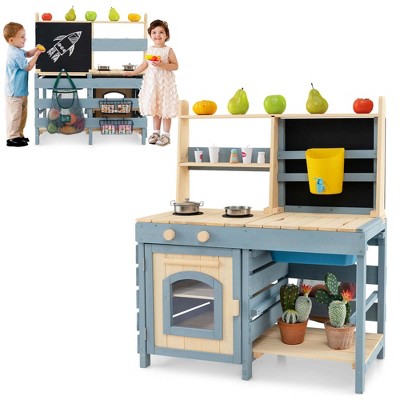
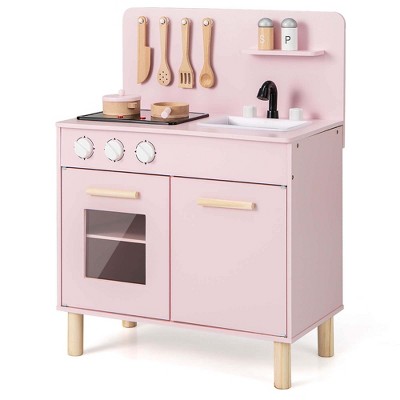
Costway 2-In-1 Outdoor Mud Kitchen with Faucet & Removable Sink Metal Baskets Storage Bag

Sponsored

Powered by AI

Guests also ask:

Most baby coffee toys target young toddlers and preschoolers with common example ranges like 6–36 months, 18 months and up, and 3 years and up (3+). Exact recommended ages vary by product, so check the individual listing or packaging for the manufacturer’s guidance.

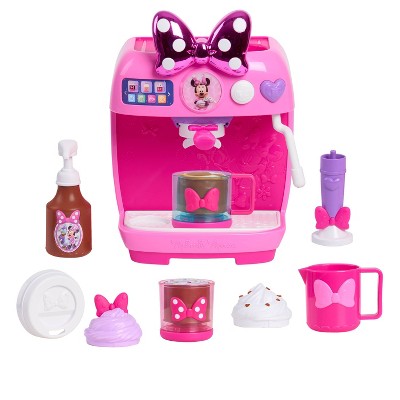
Playsets often let children mimic real barista tasks such as lifting lids and inserting coffee pods, turning knobs to choose sizes, pouring from refillable pots, popping up toast, adding or popping beans into a hopper or grinder, steaming milk with a frother, and dropping play ice cubes.

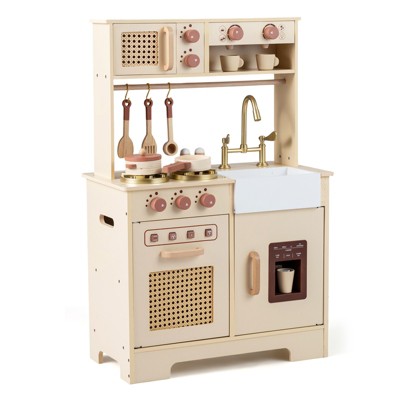
Sizes range from small handheld toys (about 6.5" H x 5" W x 3.5" D) to mid-size sets roughly 8–15 inches tall and 7–15 inches wide/deep, up to full play-kitchen units (about 35.5" H x 11.5" W x 35.5" D). Actual dimensions vary by model, so check the product listing for exact measurements.

Many baby coffee toys are made from plastic; wood and MDF are also common. Larger play kitchens or premium items may include polyester fabrics or stainless-steel components.

Piece counts vary widely: handheld toys can be a single piece; many playsets include about 10–12 pieces; and larger kits can range up to roughly 21–27 pieces, depending on the set.

Power needs vary—some toys require no batteries, while interactive models commonly list 3 AA or 2 AAA batteries. Product listings may mention either zinc‑carbon or alkaline battery types.

Many toys emphasize fine motor skills and imaginative play. Others advertise learning goals such as numbers, letters, shapes and colors, sequencing and sharing, problem solving, and music or sensory development.

Skip to next section

Get top deals, latest trends, and more.