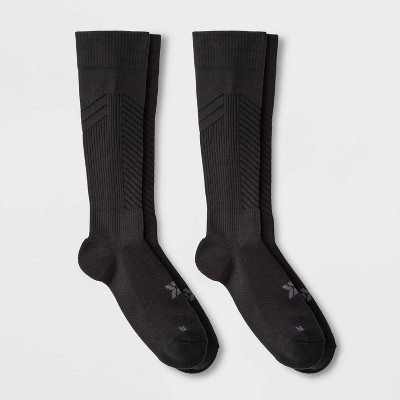
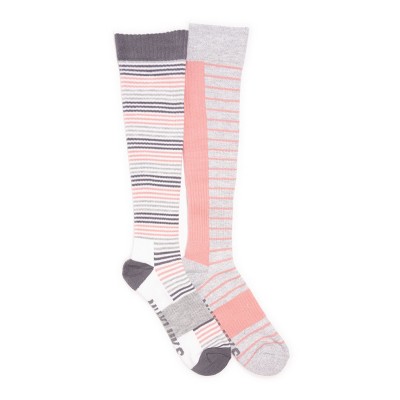
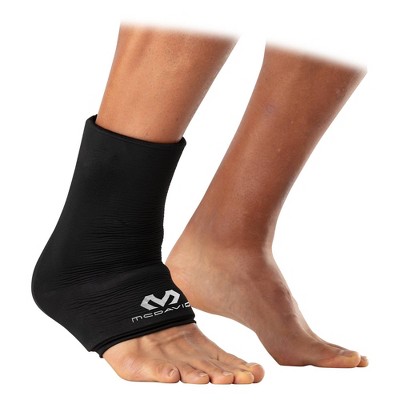
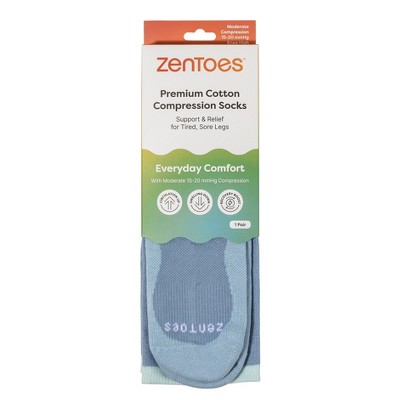
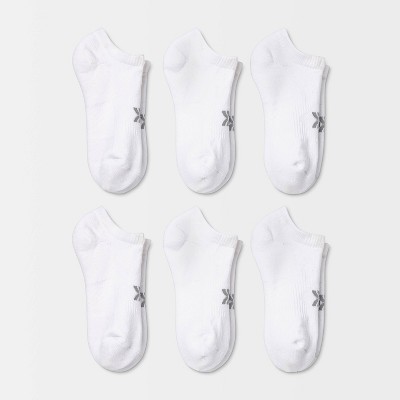
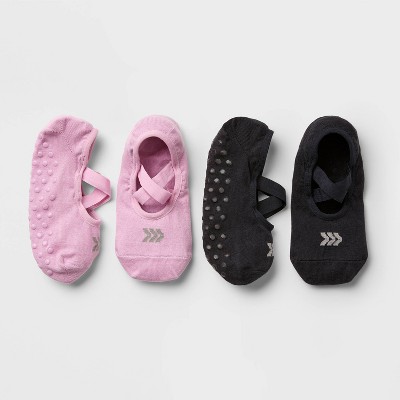
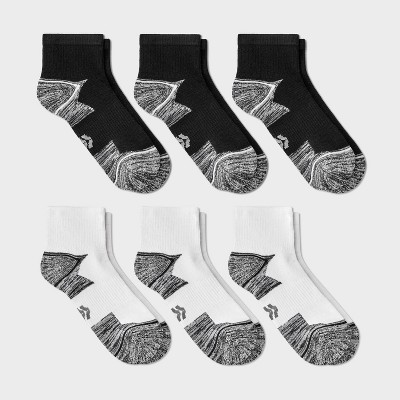
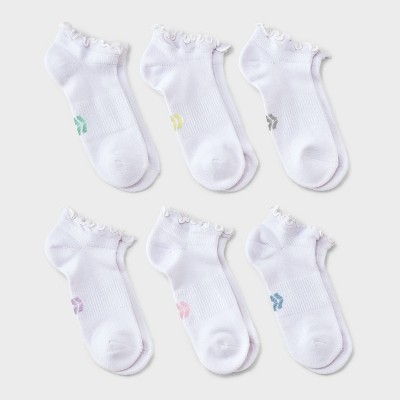
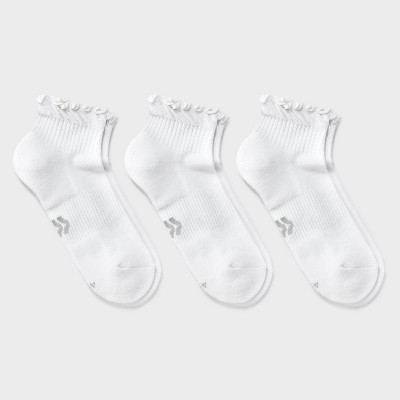
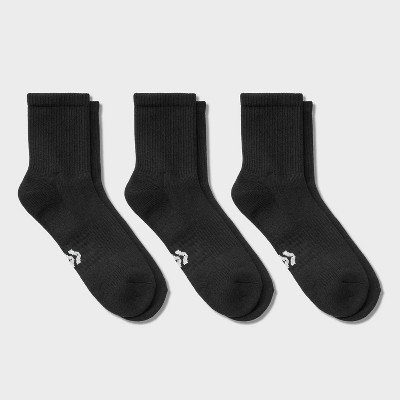
NOTE: Shoe sizes listed are approximate and will usually correlate to the correct size of socks required. If your calf size is above average, select the next larger size of socks for best fit
70% nylon, 25% polyester, 5% spandex
Machine wash cold, air dry
Health Facts: Aluminum-Free, Paraben-Free, Phthalate-Free, Latex-Free, Sulfate-Free
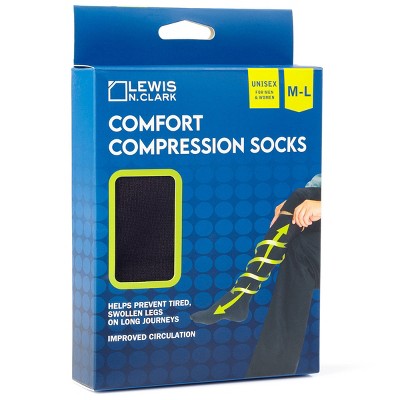
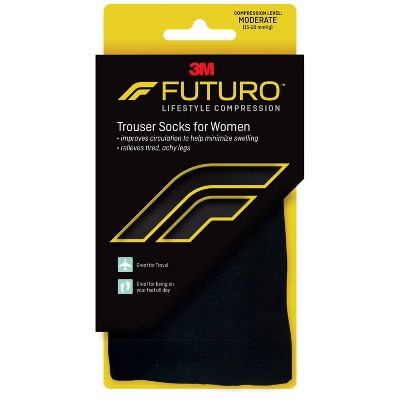
The listings show two common graduated compression ranges: moderate support at 15–20 mmHg and firmer, medical-grade support at 20–30 mmHg.
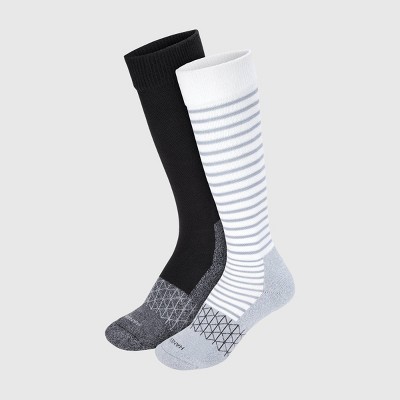
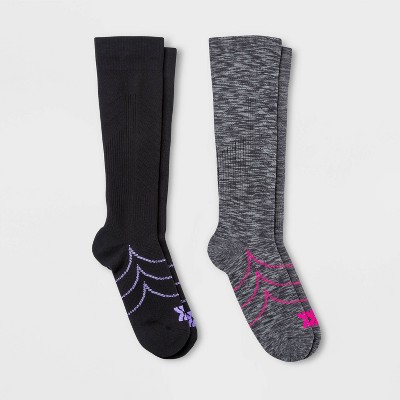
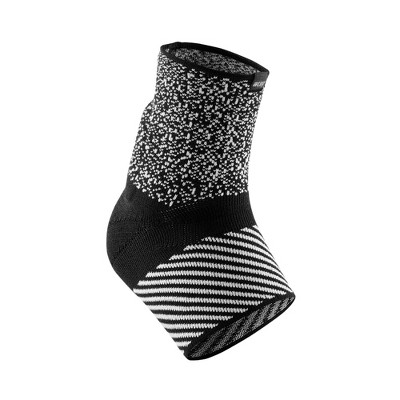
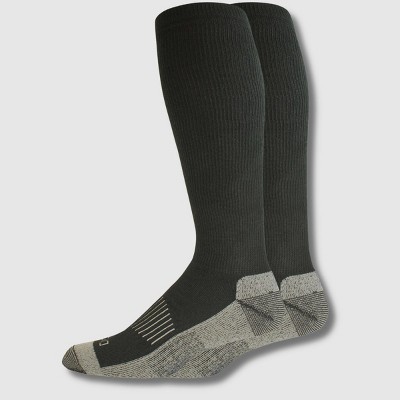
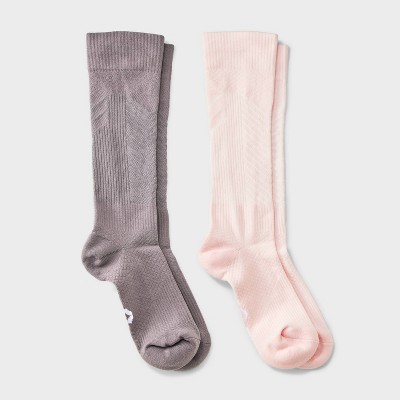
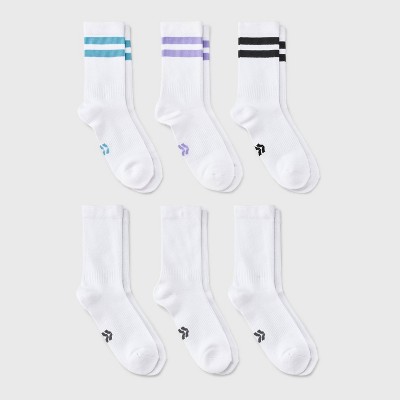
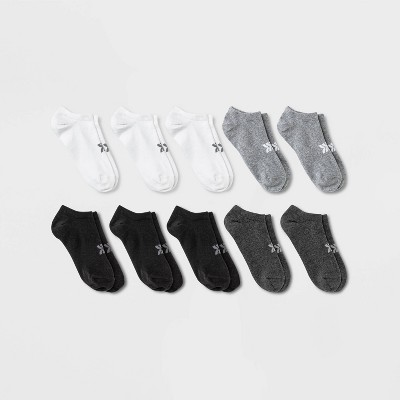
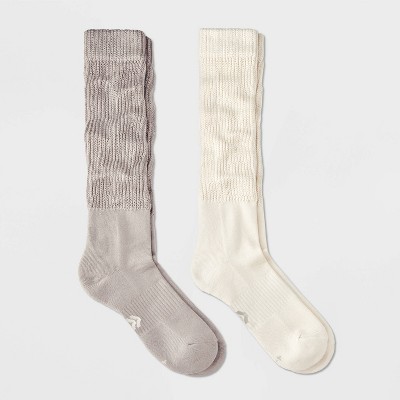
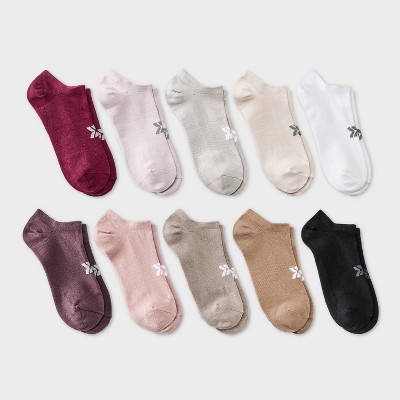
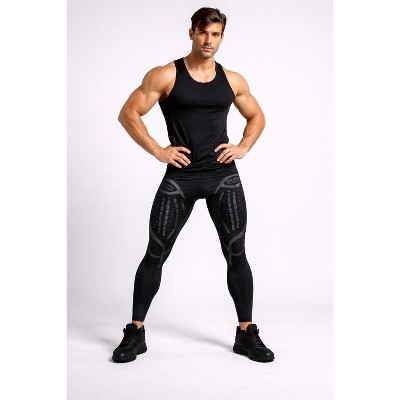
Available lengths include ankle/ankle-length, crew height, knee-high (over-the-calf), and over-calf styles, so you can choose coverage that targets the Achilles area.
Many listings note arch support plus cushioning in the foot—examples include cushioned soles, reinforced heel and toe, or zone cushioning—designed to increase comfort during long periods on your feet.
Listings describe stay-put cuffs or non-binding top bands and specially designed stay-up top bands that aim to keep the sock in place while remaining comfortable (minimizing digging or constriction).
Listings typically provide size labels plus shoe-size guidance (for example, men’s shoe sizes 6–12 and women’s 8–14) and note that users with above-average calf circumference may need a larger size—check the product’s size chart for calf and ankle measurements.
Yes. One listing lists contraindications where compression may not be recommended—examples include arterial disease, congestive heart failure, massive or pulmonary edema, gangrene, extreme leg deformity, or diabetic neuropathy—and advises stopping use and consulting a physician if skin irritation or pain occurs.
Review summaries most often mention comfort and symptom relief during long days on their feet, noting good stay-in-place fit, ease of use, and perceived quality; reviewers often report these benefits in contexts such as standing work or post-activity recovery.