These gigabit switches commonly include Layer 2+ management features such as VLAN support, QoS, IGMP snooping, port mirroring, link aggregation (LACP) and Spanning Tree. Security features frequently listed are access control lists (ACLs), 802.1X/RADIUS authentication, ARP spoofing protection and DHCP server screening.
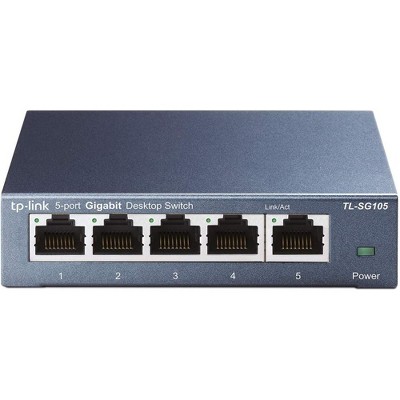
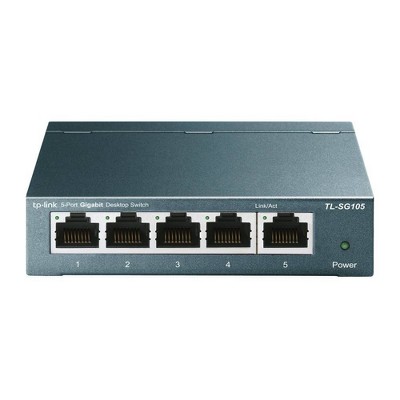
The switches operate at gigabit Ethernet speeds (10/100/1000 Mbps). Many models also include higher-speed uplink options such as 10‑Gigabit SFP or SFP+ ports for expansion or aggregation.
When PoE+ is supported, it provides up to 30 W of power per port for powering devices such as IP phones, cameras, and access points.
AV-focused switches emphasize signal integrity and low noise. Common features include optical or galvanic isolation to prevent interference, low-noise power design, precision clocking to reduce jitter, and real-time bandwidth monitoring and grounding options — all intended to preserve audio/video quality during streaming.
PoE+ options and total power budgets vary by model. Examples in the listings include larger budgets such as 370 W and 193 W, and smaller PoE+ models with totals around 65 W or 78 W — check the product details for exact budgets.
Warranty coverage varies across the listings. Many products indicate a Limited Lifetime Warranty in their details, while at least one AV-focused switch lists a 1‑year limited warranty. Always verify the warranty terms on the specific product page.
SMB-oriented features shown include Layer 2 management (VLANs, IGMP snooping, Spanning Tree, link aggregation/LACP), IPv6 management support, multiple deployment and management options, security features like ACLs and 802.1X authentication, ARP spoofing prevention and DHCP screening, plus managed operation and PoE options to support business devices.