Target New ArrivalsHalloweenClothing, Shoes & AccessoriesHome & DecorKitchen & DiningPatio, Lawn & GardenGroceryHousehold EssentialsBabyBeautyTarget Beauty StudioPersonal CareSports & OutdoorsPetsHealthWellnessSchool & Office SuppliesToys & GamesElectronics & TechVideo GamesBooks, Music & MoviesParty SuppliesGift IdeasGift CardsShop by CommunityTarget OpticalDealsClearanceNew ArrivalsBack to SchoolCollegeTop DealsTarget Circle DealsWeekly AdShop Order PickupShop Same Day DeliveryRegistryRedCardTarget CircleFind Stores
Powered by AI

Guests also ask:

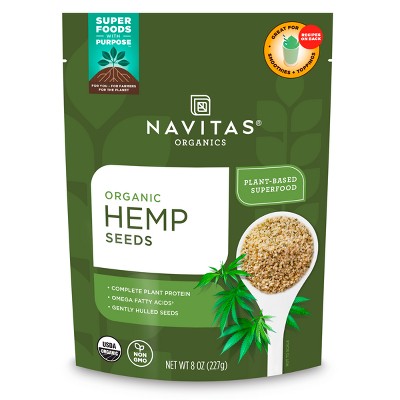
Hemp seeds are versatile: sprinkle them on smoothies, yogurt, oatmeal, and salads; blend them into dressings and sauces; or add them to baked goods for extra nutrition and a bit of texture.

Country-of-origin information varies by listing. Examples shown in product details include labels such as “Varies,” Canada, the United States, and China.

One detailed listing reports that a one-ounce (28 g) serving contains about 11 g of protein and notable mineral amounts: magnesium ~192 mg, iron ~2.9 mg, and zinc ~3.5 mg. The listing also includes calories and fat values for that serving.

Listings show both whole hemp seeds and hulled (shelled) seeds. Several entries label the product as “Raw” and include a “State of Readiness: Ready to Eat” field.

Listings commonly show organic and Non-GMO labels plus dietary tags such as gluten-free, vegan, and kosher. Some entries specifically cite Certified Gluten-Free, Non-GMO Project Verified, or USDA Organic.

Descriptions emphasize hemp seeds as a source of complete plant protein and essential fatty acids. One detailed entry lists per-ounce values including about 174 calories, 14 g total fat, 11 g protein, plus minerals such as magnesium, iron and zinc and dietary fiber.

Recommendations for you

Skip to next section

Get top deals, latest trends, and more.