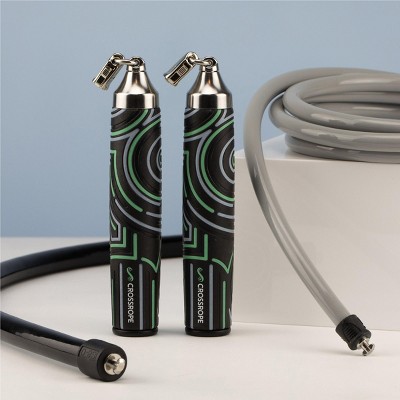
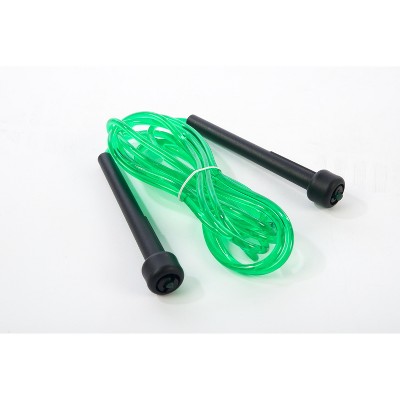
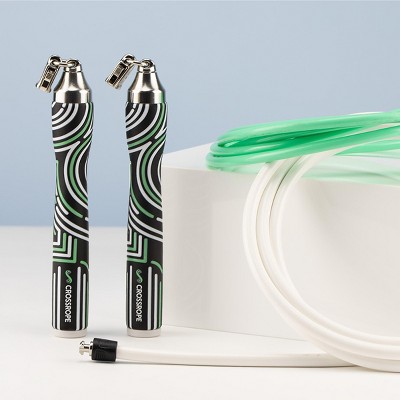
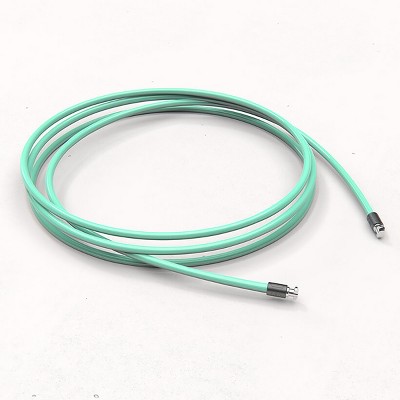
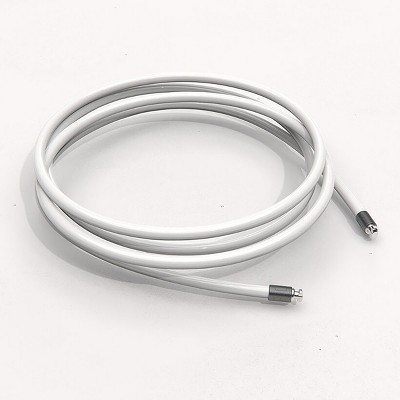
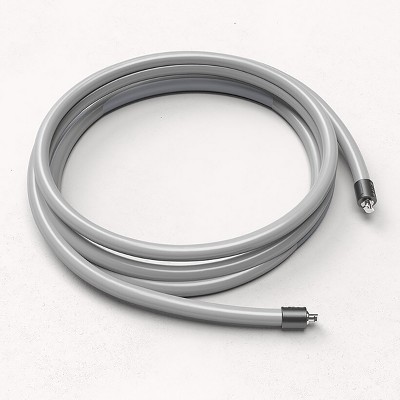
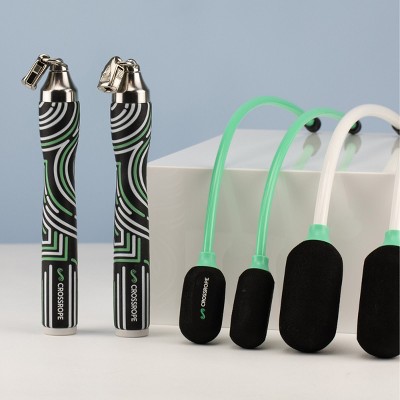
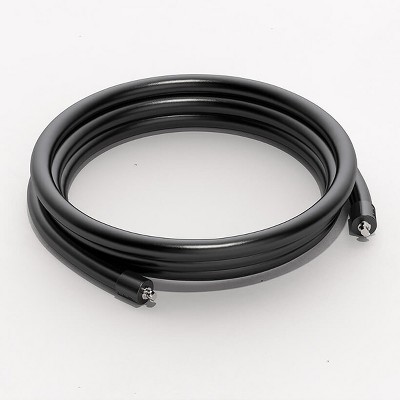
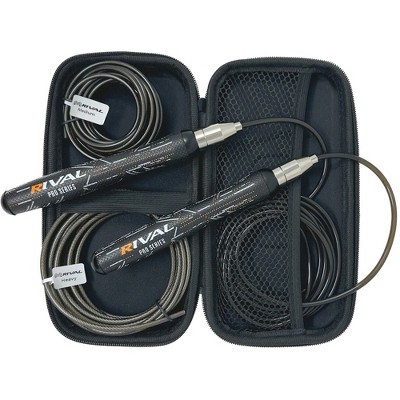
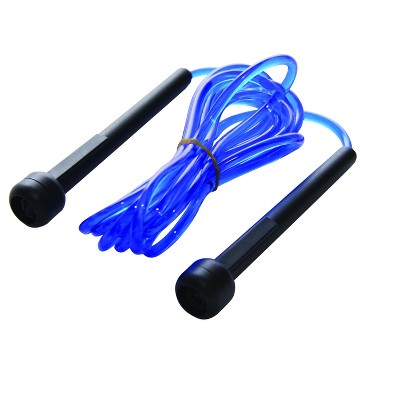
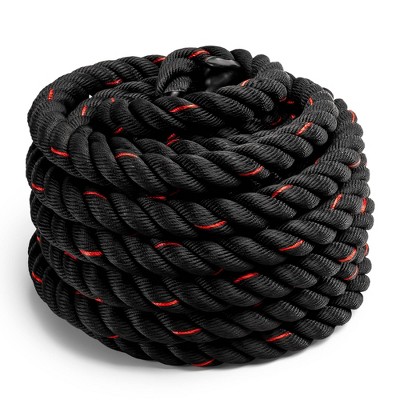
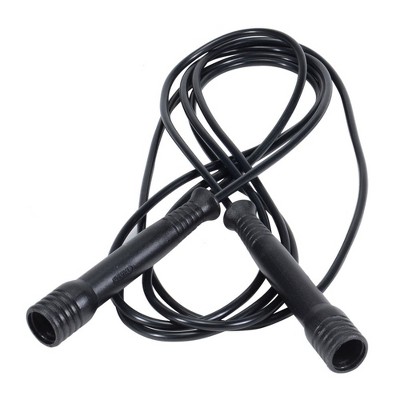
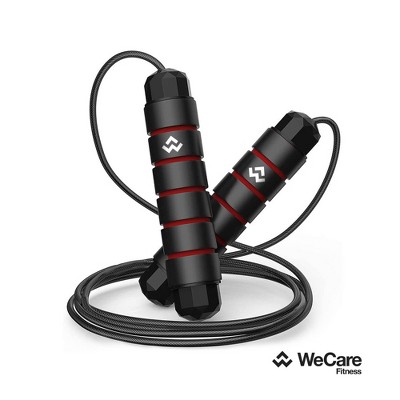
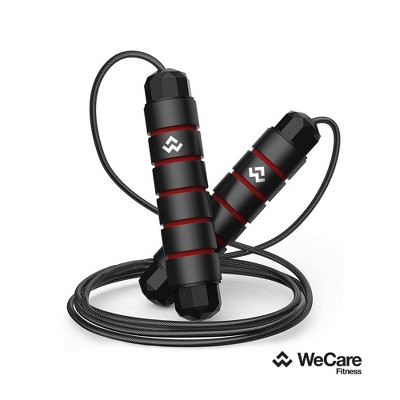
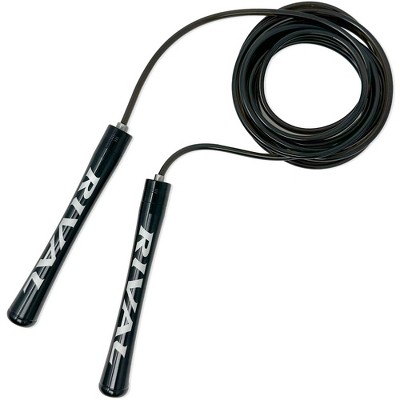
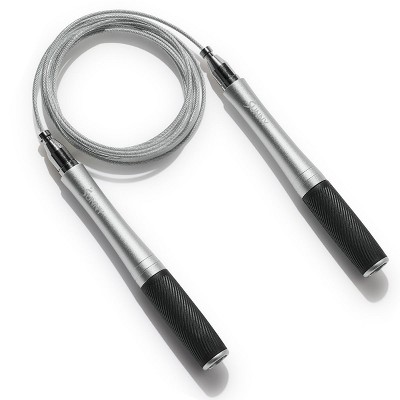
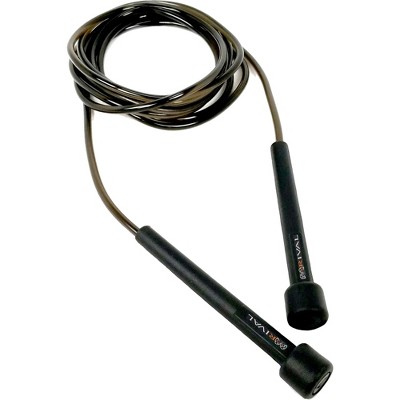
Options range from thin speed cables to thicker, heavier ropes. Examples given include a 2.5 mm PU-and-steel speed cable, 5.5 mm PVC ropes, and 7.5 mm PVC ropes; some listings pair a thin cable with a thicker cable for added strength.
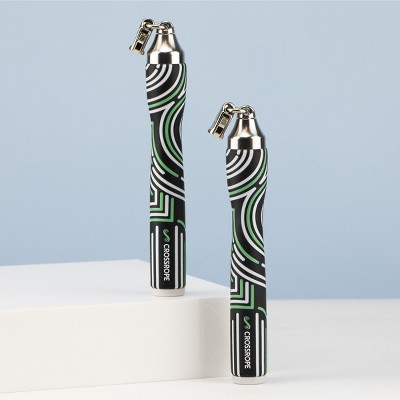
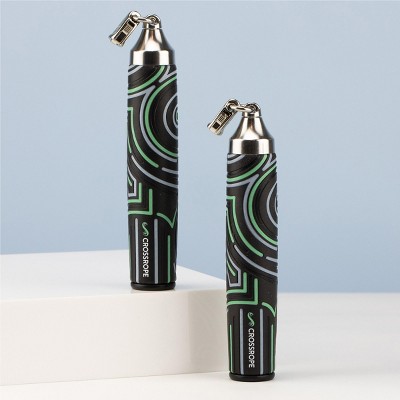
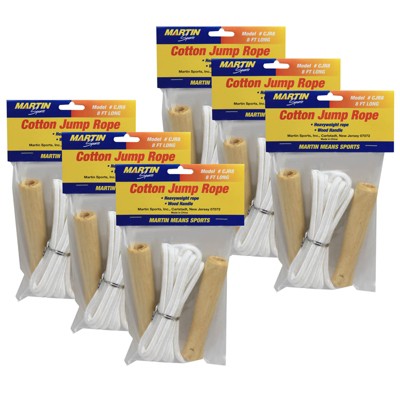
Handles are listed in materials such as ABS plastic, aluminum alloy, silicone, resin, and other plastics. Several listings highlight anti-slip or cushioned grips and aluminum-alloy handles with ball-bearing systems for a more secure, comfortable hold.
Many ropes feature adjustable-length systems, including tool-free or fold-over adjustments. Stated lengths include examples like 118 inches, 120 inches, a 9-foot option, and other compact sizes suited to different heights.
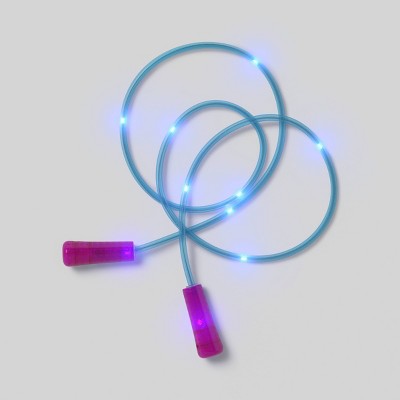
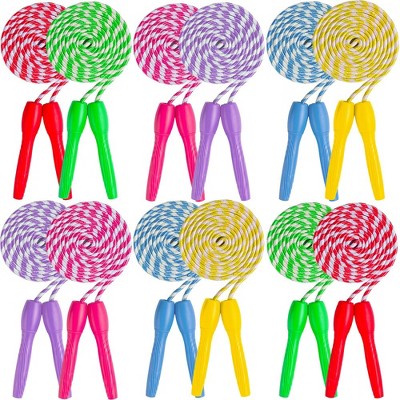
The listings include speed cables, weighted ropes (some with removable handle weights), ropeless designs that simulate rope movement, and beaded/segmented ropes designed for play and skill-building, especially for kids.
Several listings advertise lightweight, compact designs that are easy to store or pack for travel; some explicitly mention compact sizing and include travel bags for carrying ropes on the go.
Multiple listings call out ball-bearing systems for smooth rotation, such as high-speed or easy-glide bearings and double ball-bearing setups typically housed in aluminum-alloy handles to reduce friction and improve spin.
Listings give various stated lengths (examples include 118 inches, 120 inches, and 9 feet) and several advise using ropes on smooth surfaces to protect cable coating and preserve performance.
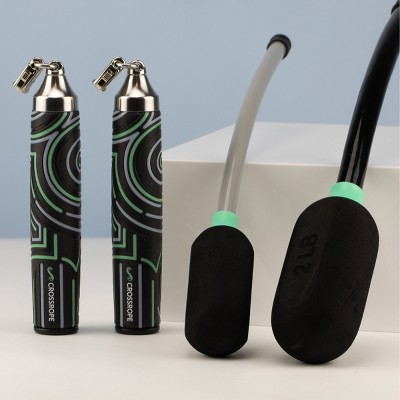
Some ropes include weighting for resistance work—examples include removable 100 g weights in each handle. Beaded or segmented ropes also add weight via plastic segments, which can aid skill-building and rhythm work.
Yes. Some listings target kids (for example, a 16-foot beaded rope described for ages 4–12 and group play), while others emphasize adjustable lengths that fit adult heights and note suitability for men, women, and children.