best tasting oat milk
Guests also ask:
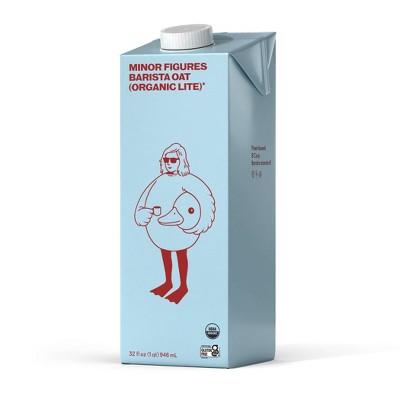
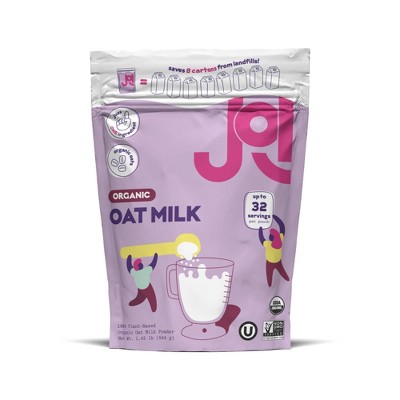
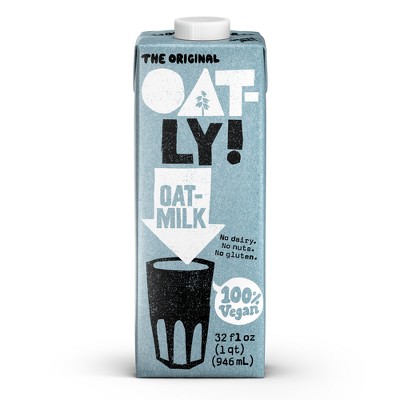
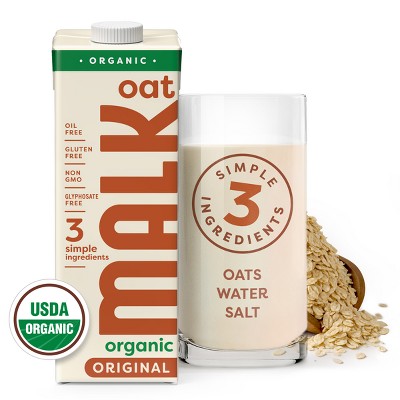
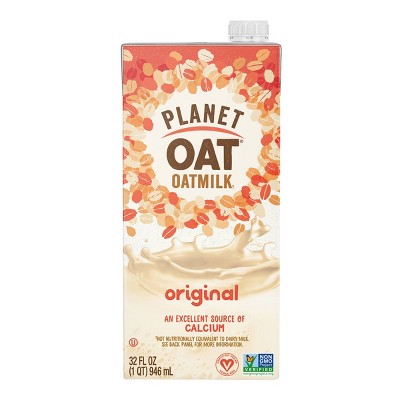
Product listings commonly carry labels such as vegan, non‑dairy, lactose‑free, and gluten‑free (or certified gluten‑free). Other frequent tags include kosher, halal, and Non‑GMO Project Verified. Always check the package for specific certification logos and claims.
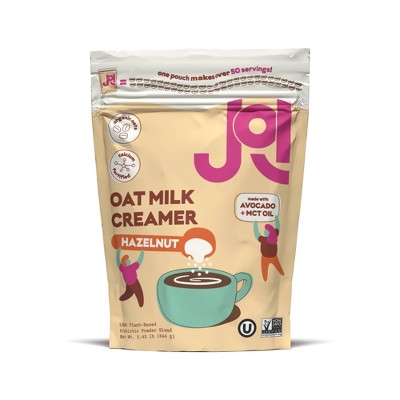
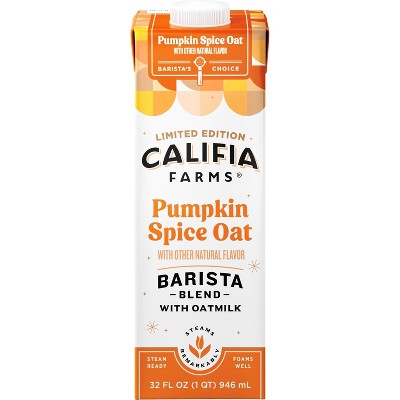
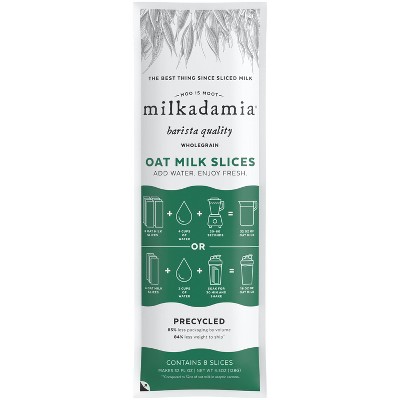
Shoppers most often use oat milk for coffee and lattes, as a creamer substitute, over cereal, in smoothies, and for cooking or baking. Consider how you’ll use it—drinking straight, frothing for espresso drinks, or mixing into recipes—when choosing a taste and texture you’ll prefer.
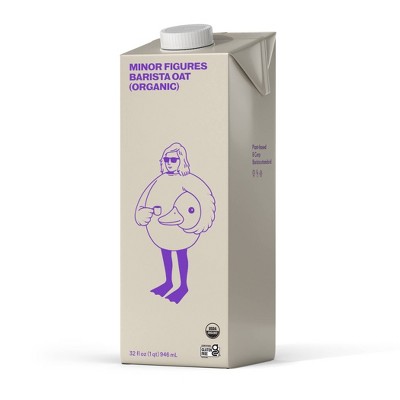
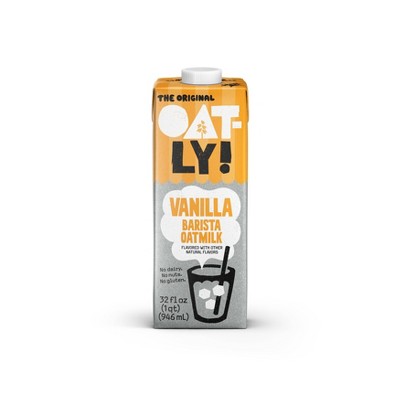
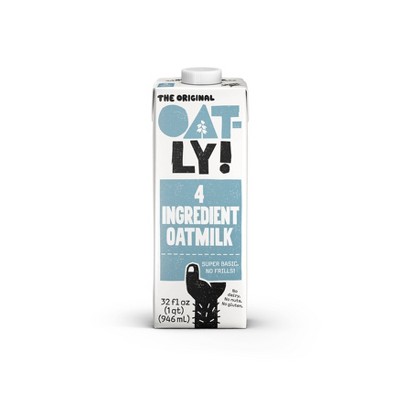
Simple oat milks tend to have short, plant‑based ingredient lists and avoid additives like carrageenan and artificial flavors. Flavored or organic options typically add ingredients such as natural flavorings (vanilla), sweeteners (e.g., coconut sugar), cacao for chocolate varieties, and sometimes note the use of whole‑grain oats.
Shoppers commonly describe oat milk as very creamy and smooth with a milk‑like mouthfeel—rich and close to dairy in texture, which is why many people prefer it for coffee and cereal.