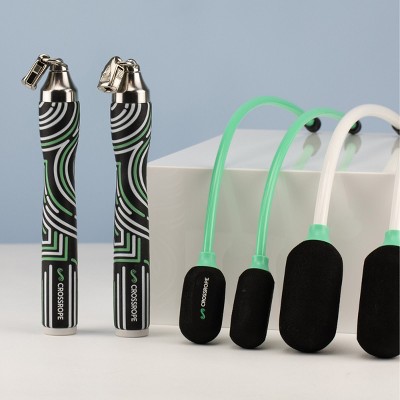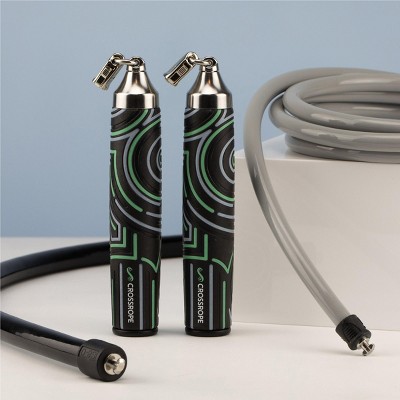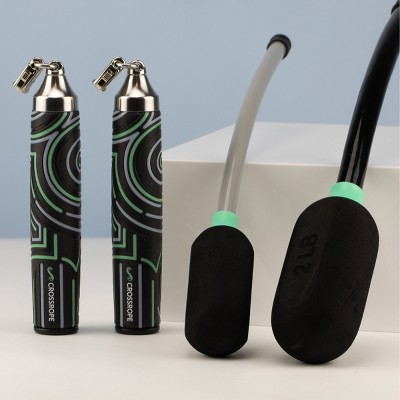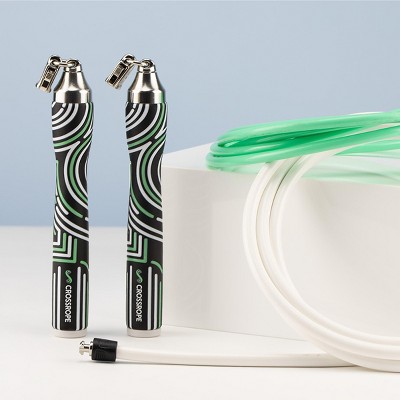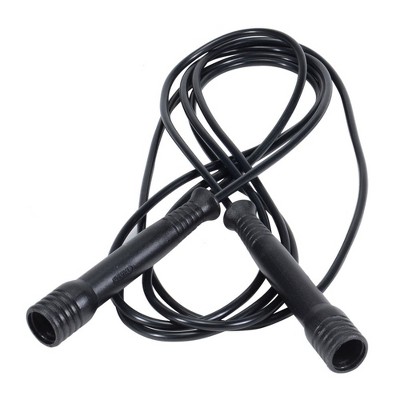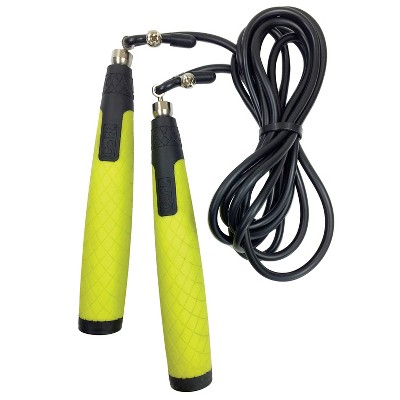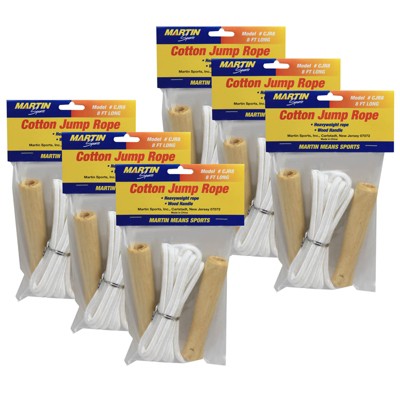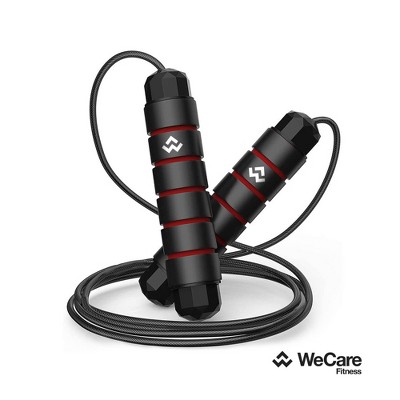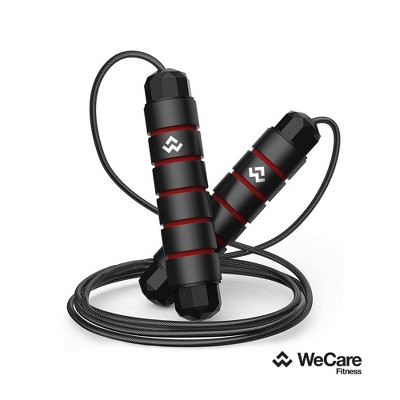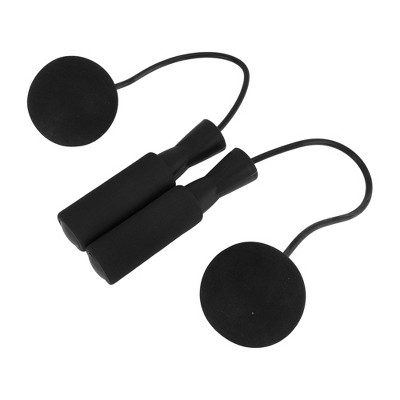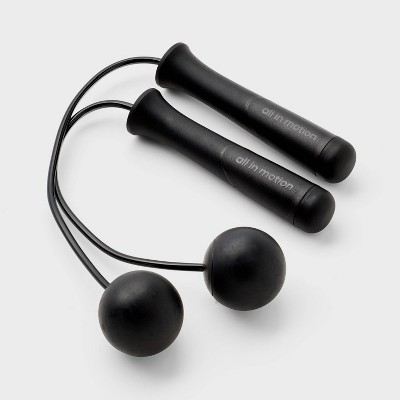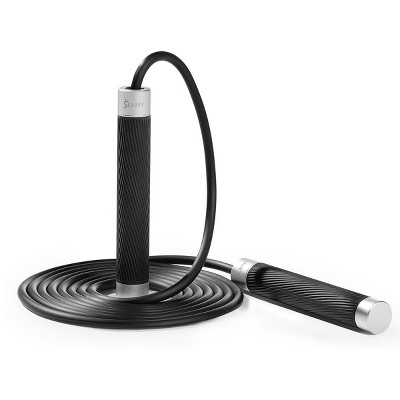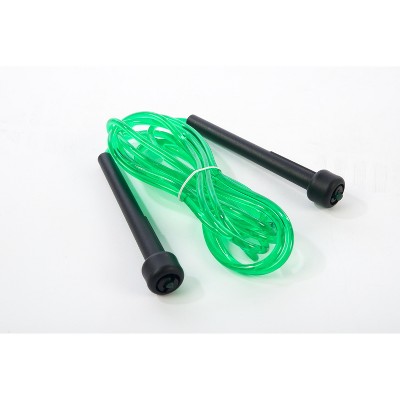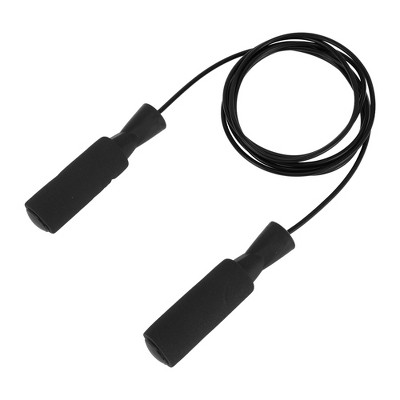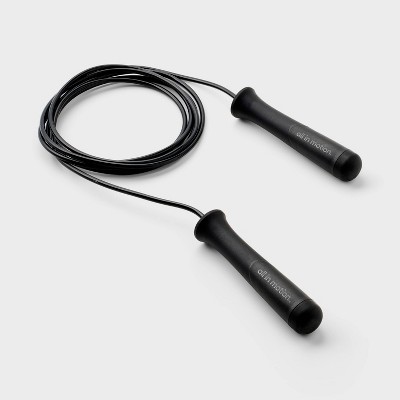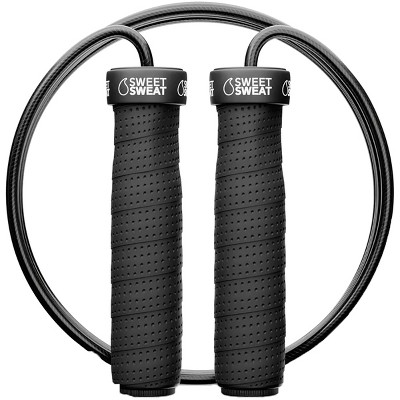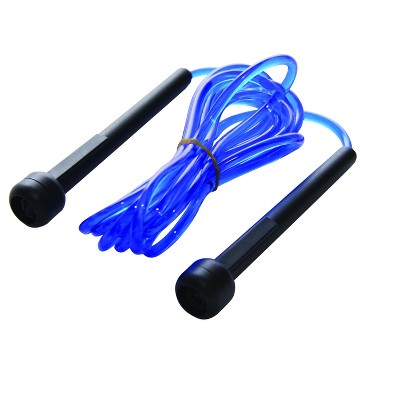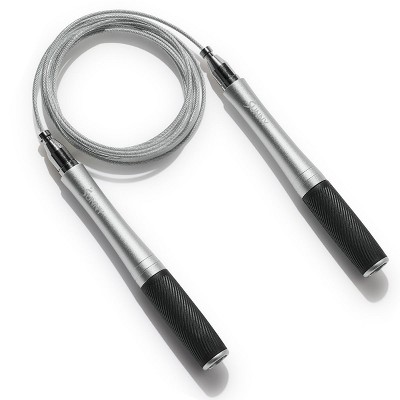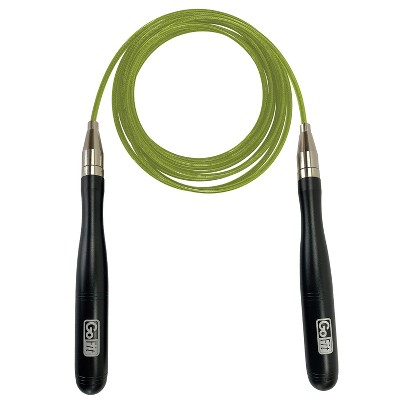
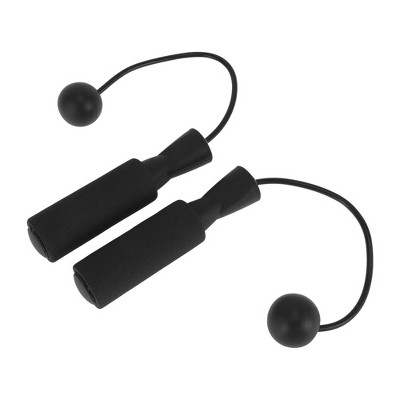
Weighted jump ropes commonly combine a durable rope or cable—such as PVC or PVC‑coated cables, cotton or braided ropes, or nylon/plastic segments—with metal or rubber components used in the handles and internal or external weights.
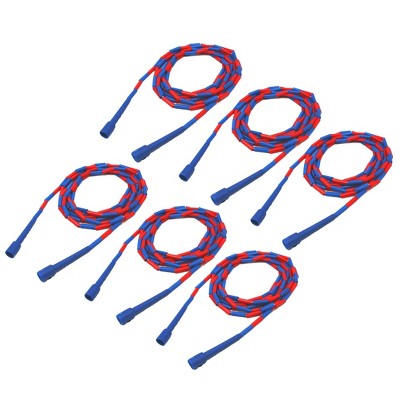
Lengths vary by model. Common options include adjustable ropes around 10 feet (often listed near 110–118 inches) and longer beaded ropes of about 16 feet for double‑dutch or group play. Many weighted ropes are adjustable to fit different user heights.
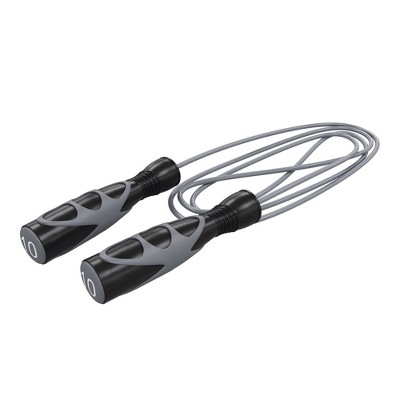
Smooth, consistent rotation is typically achieved with ball‑bearing or precision swivel systems built into the handles. These reduce friction and allow faster spins suited for speed work and double‑unders.
Listings show removable or adjustable handle weights (expressed in grams, ounces, or pounds), fixed weighted handles, and overall whole‑rope weight values. Examples in product details include 100 g removable handle weights, about ½ lb per handle, handle weight bars of 6.0 oz and 9.5 oz, and whole‑rope weights such as 420 g.
Many product listings note adjustable lengths or include longer ropes (around 10–10.3 ft) and state the rope can be set for different user heights. Specific trimming or step‑by‑step adjustment instructions, however, are not consistently provided across listings—check the individual product page or included manual for exact adjustment steps.
Product details show a range of thicknesses, for example: 3/16" PVC speed cables, 6 mm PVC‑coated steel cables, 7.5 mm PVC ropes, and 9 mm braided cotton ropes.
Listings use several formats to describe weight and resistance: removable handle weights in grams (e.g., 100 g), adjustable handle weights shown in pounds (e.g., ½ lb per handle), handle weight bars in ounces (6.0 oz, 9.5 oz), references to solid steel weights inside handles, and whole‑rope weights such as 420 g.
Common features include tangle‑free designs and ball‑bearing swivel mechanisms to keep rotations smooth, plus PVC or PVC‑coated steel cables and protective coatings that improve durability for outdoor surfaces.
Listings commonly promote cardiovascular and endurance improvements, increased calorie burn and support for weight loss, improved upper‑body muscle tone (arms and shoulders), and enhanced coordination, agility, and rhythm.