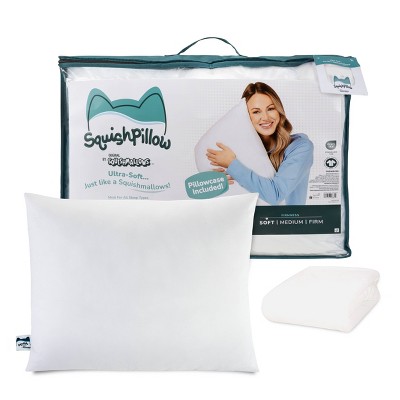
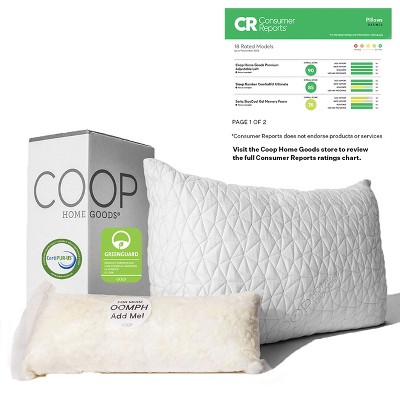
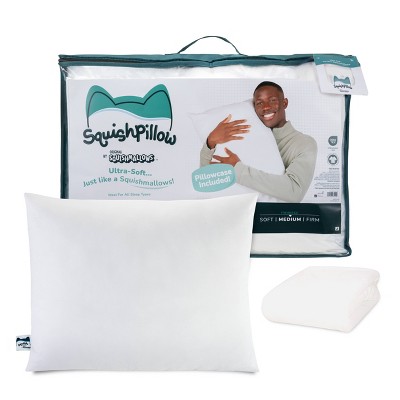
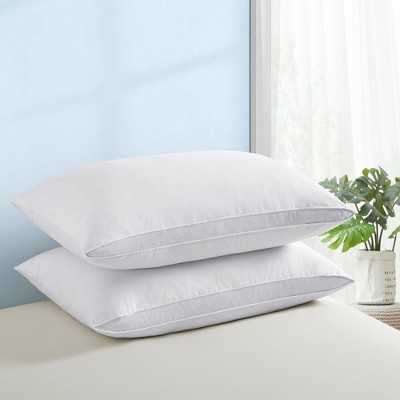
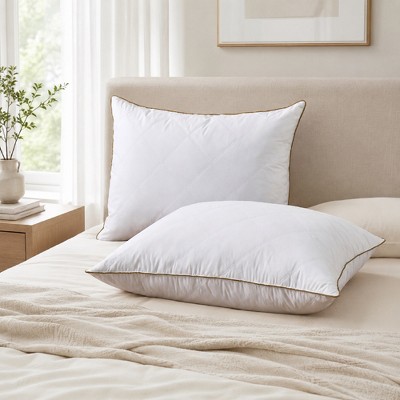
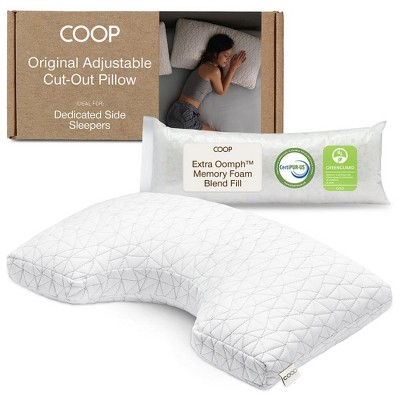
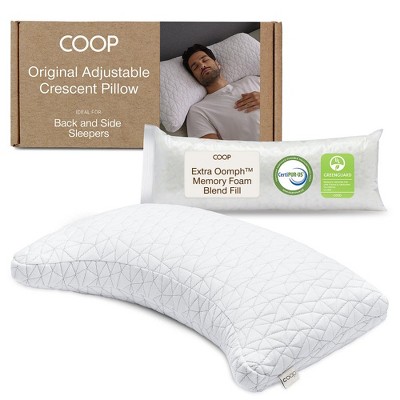
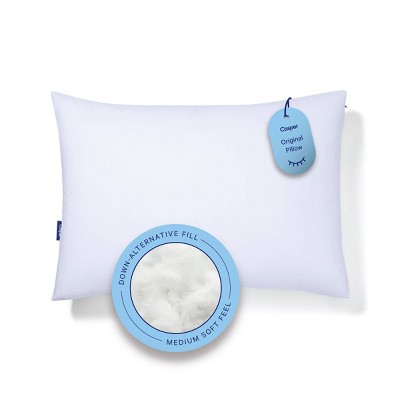
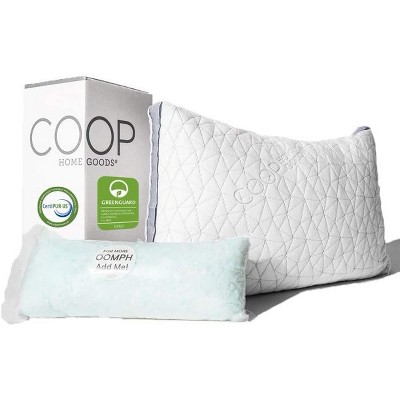
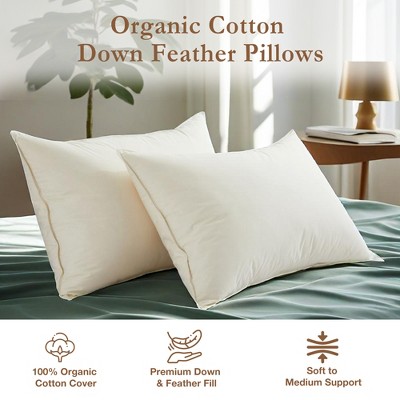
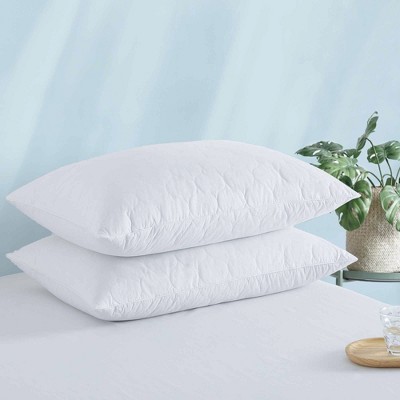
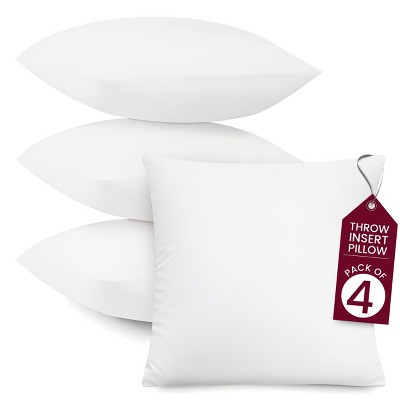
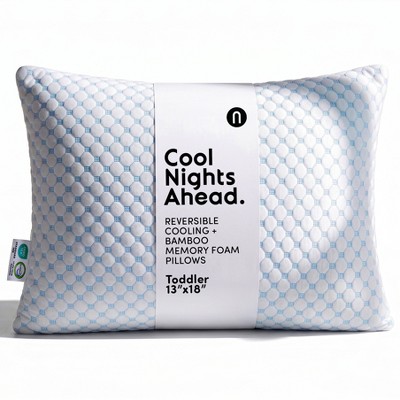
Common fill materials include polyester fiber (often listed as 100% polyester), resilient fiberfill, and various memory foams — examples in listings include blends with 80% memory foam and 100% slow-rebound memory foam certified by CertiPUR-US.
Care instructions vary by product. Some pillows list hand wash and line dry or lay flat to dry; others list spot-clean or wipe-clean only. A few listings do not provide drying instructions. When shopping, check the specific product care details for recommended cleaning and drying methods.
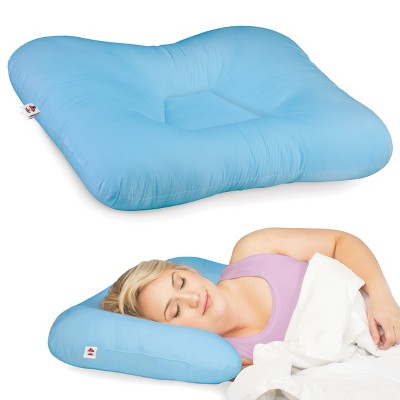
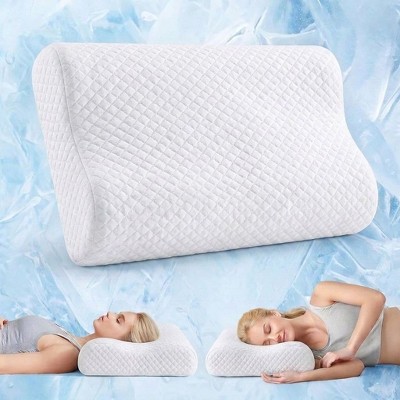
Design features aimed at restoring cervical curve and alignment include contoured or D-shaped centers that cradle the head, dual neck rolls that support the cervical curve, raised sides to fill gaps for side sleeping, and contoured or dual-height profiles that promote neutral spinal alignment.
Common shapes and contours include compact bone-shaped travel contours, orthopedic D-shaped centers with dual neck rolls, and contoured memory-foam pillows with zoned support and dual-height sides for adjustable neck support.
Listed firmness options include Medium, Firm, and Extra Firm to accommodate different support preferences.
Some memory-foam cervical pillows advertise built-in cooling properties or "advanced cooling technology" integrated into the foam to help maintain a comfortable sleep temperature. Exact cooling approaches vary by listing.
Listings describe pillows designed primarily for back sleepers and side sleepers; some models are also intended for use while sitting or for travel (supporting upright or reclining positions).
Common customization options include removable or adjustable fiberfill with a zipper to change loft, dual-sized neck rolls to select different support levels, dual-height sides to choose neck height, and straps on some travel pillows to secure or hold fill in place.