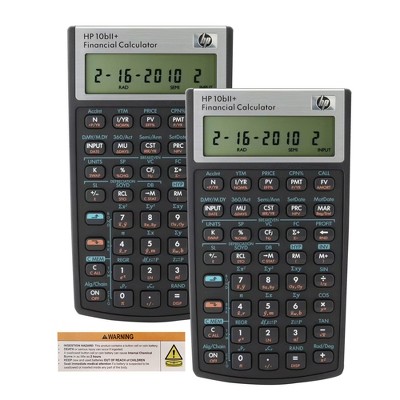
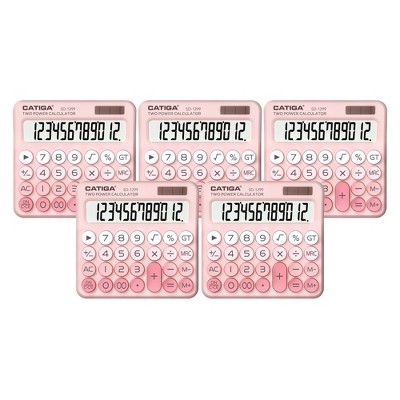
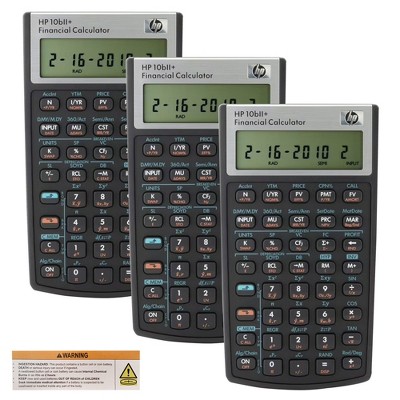
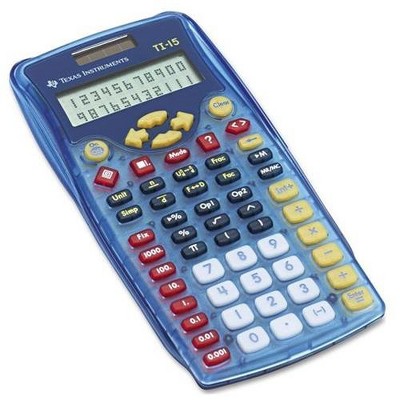
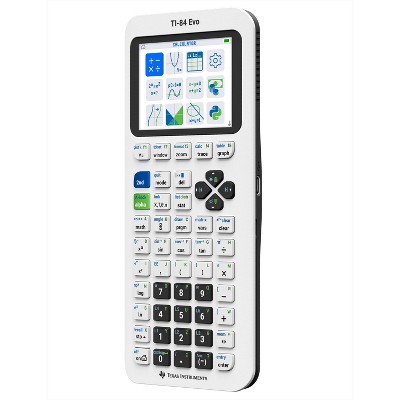
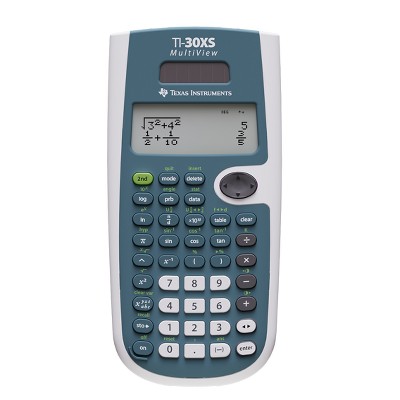
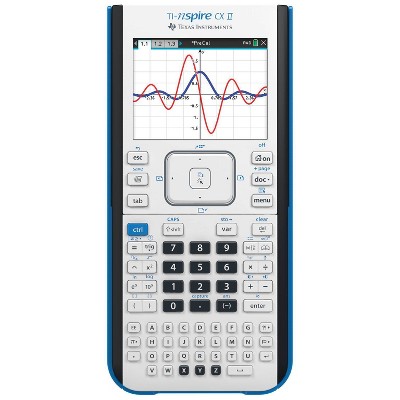
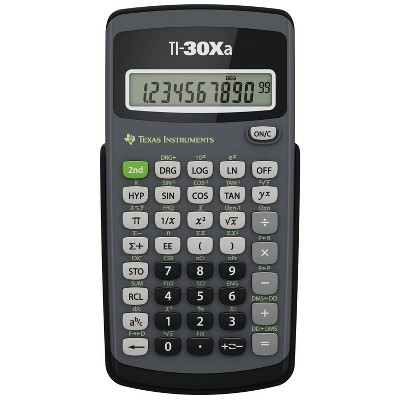
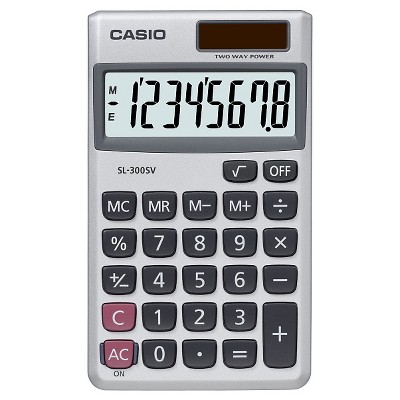
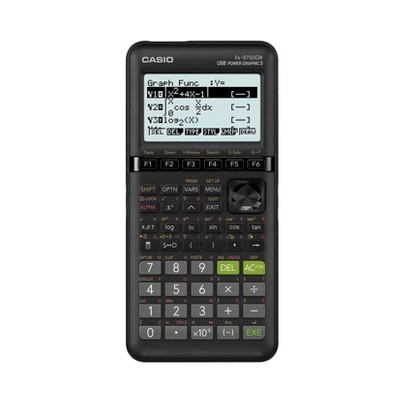
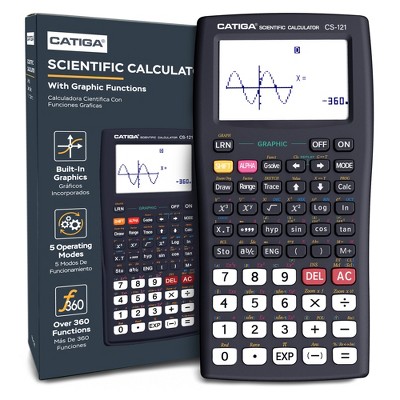
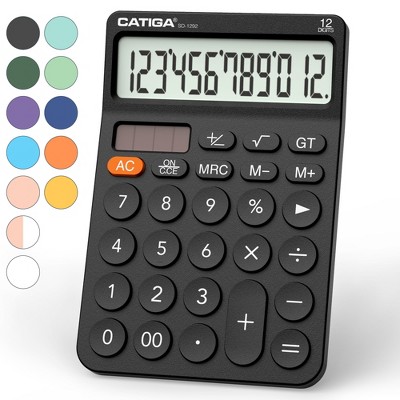
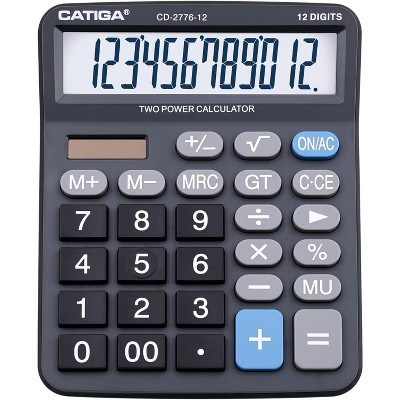
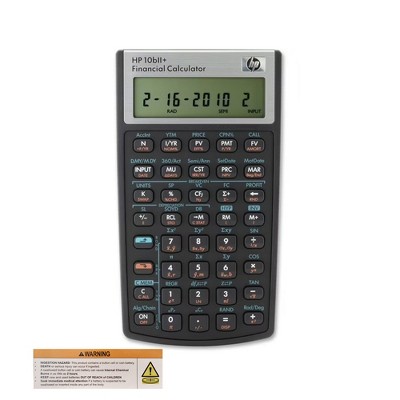
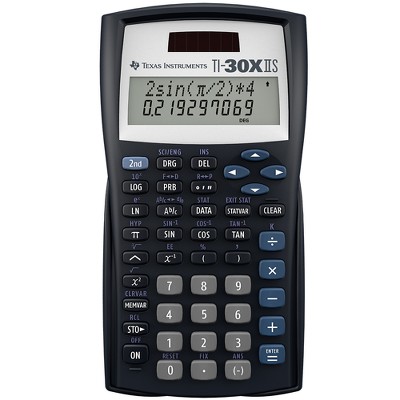
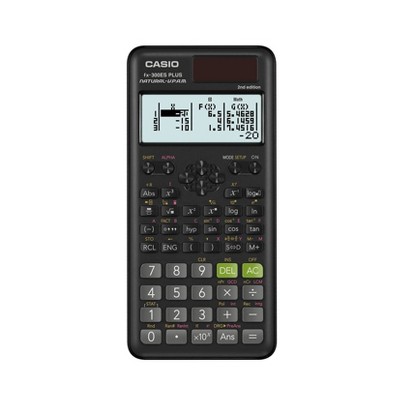
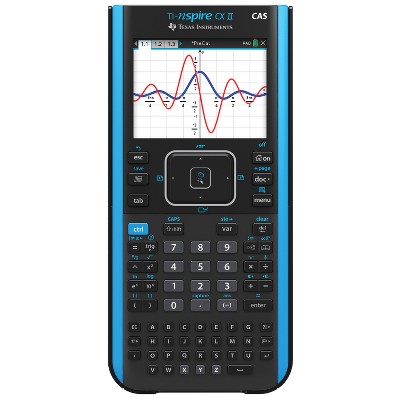
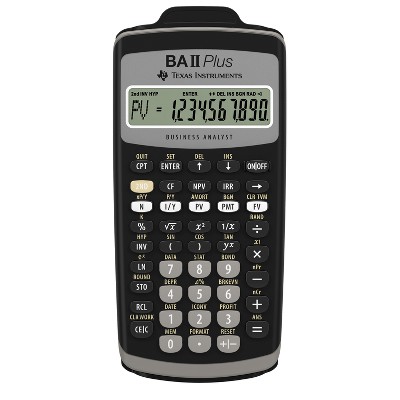
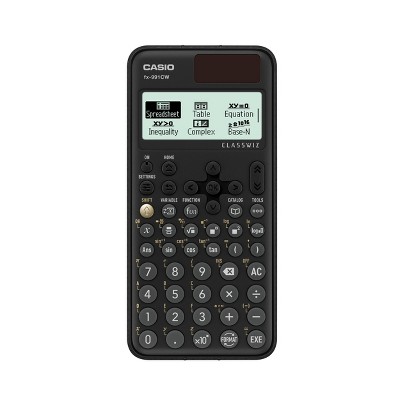
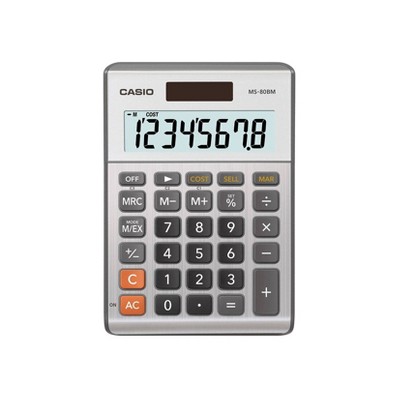
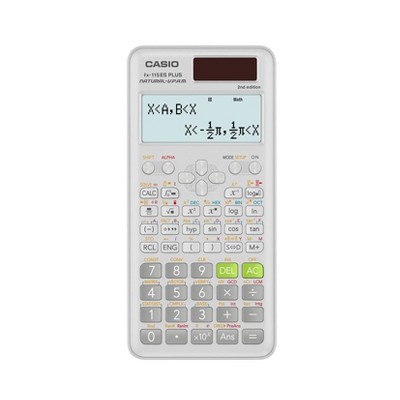
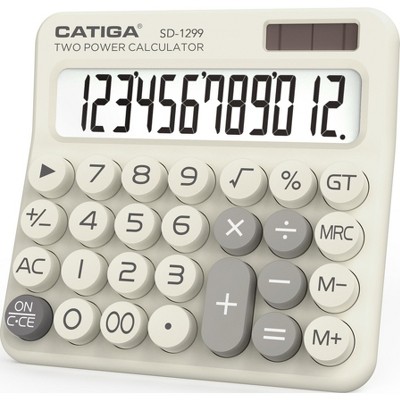
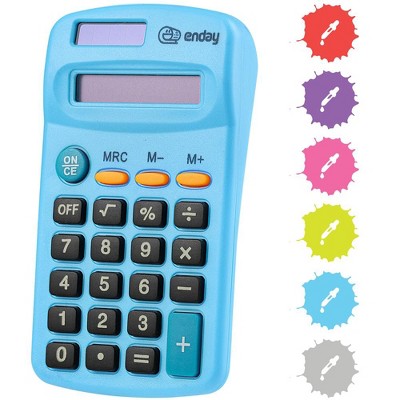
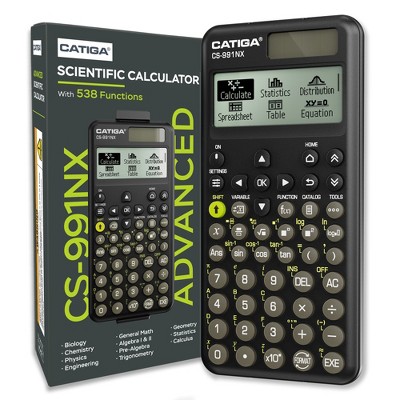
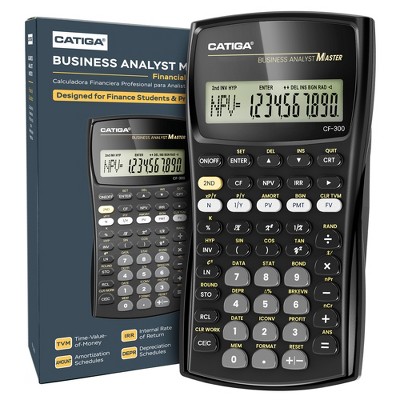
College-algebra calculators commonly include hundreds of built-in functions covering arithmetic, algebra, and statistics. Typical capabilities listed include fractions and mixed-number operations, statistics (linear regression, standard deviation), complex numbers, matrices, permutations/combinations, and basic calculus tools; some models advertise up to several hundred (e.g., 552) functions.
Dimensions vary by model. Reported heights range roughly from 0.5 inches up to about 7.57 inches, widths from about 3.4 to 6 inches, and weights commonly fall between about 0.32 and 0.58 pounds (roughly 5–9 ounces). Exact size depends on whether the model is a compact scientific calculator or a larger graphing unit.
Some graphing calculators include built-in programming support. Common options are proprietary scripting languages for automation and, on certain models, explicit Python support for writing and running scripts directly on the device.
Look for models with durable housings (commonly ABS plastic), non-slip feet or pads, and a solid keypad—descriptions often advertise 'lightweight yet durable' construction intended to withstand regular classroom use.
Calculators typically run on replaceable batteries (examples include AAA, LR44, and CR2032 coin cells) and some use non-standard lithium batteries. Many models also pair solar power with battery backup, and a few offer rechargeable lithium batteries.
Listings commonly show replaceable batteries such as AAA, LR44, and CR2032 coin cells. Some models use proprietary/non-universal lithium cells, a few include rechargeable lithium batteries, and several offer dual power (solar plus battery backup).
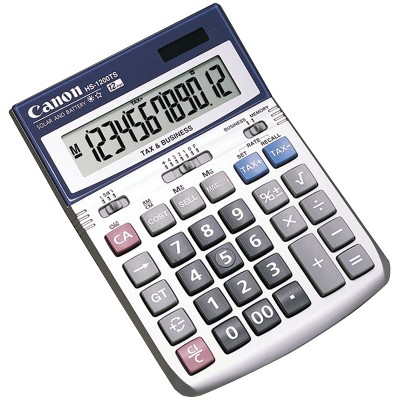
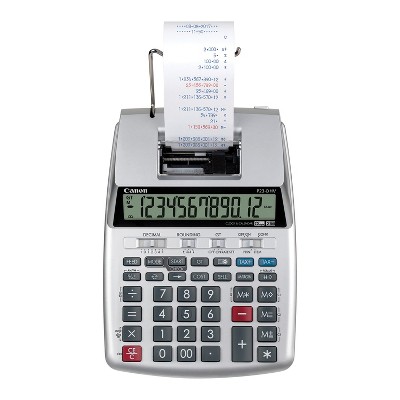
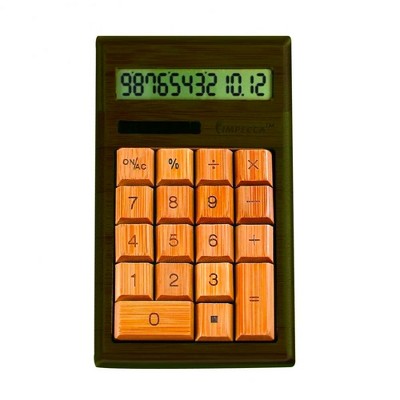
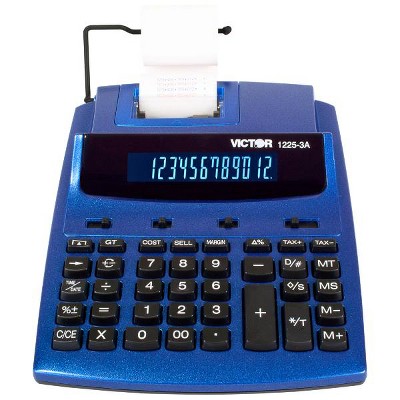
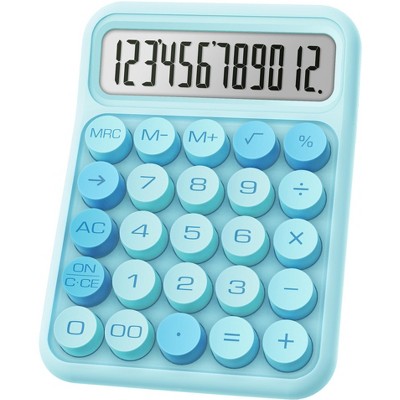
Scientific and desktop calculators typically use tactile mechanical-style keys with large, responsive buttons. Graphing models often combine physical keys with icon-driven menus, touchpads or navigation buttons for entering functions and manipulating graphs.