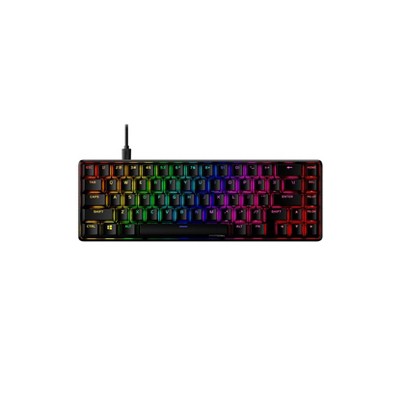
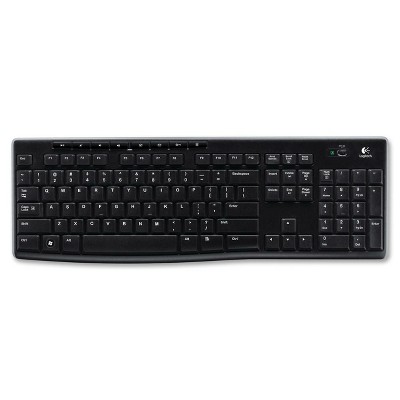
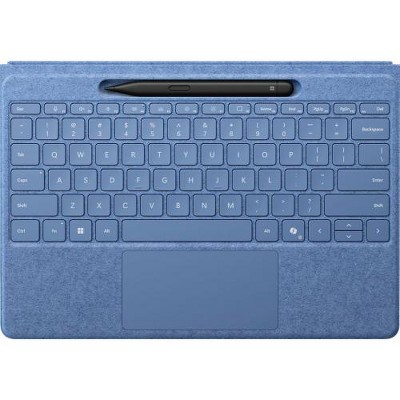
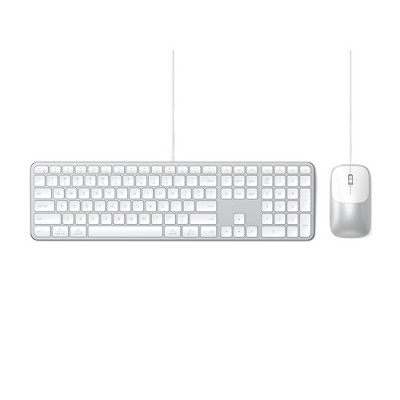
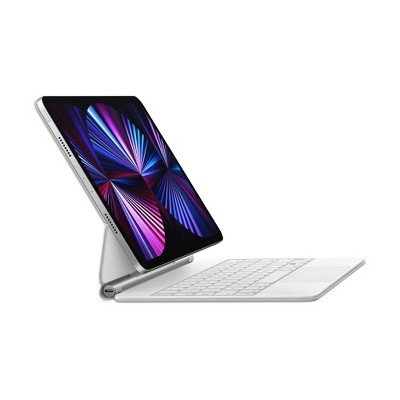
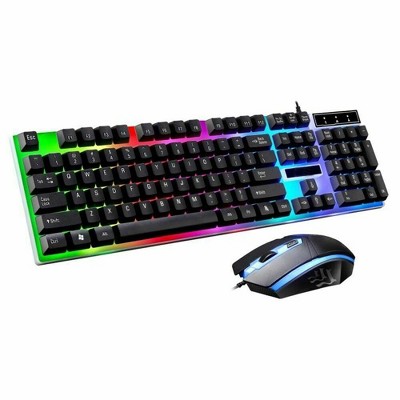
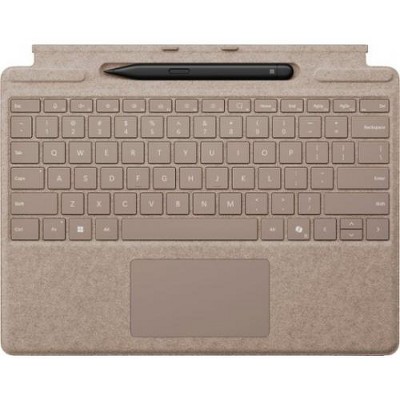
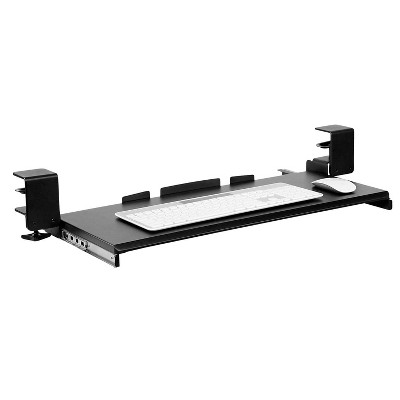
Most listings advertise tri‑mode connectivity: USB‑C wired, Bluetooth, and 2.4GHz wireless. Bluetooth 5.0 is commonly noted for multi‑device pairing, and a few listings also mention Wi‑Fi as an additional option.
These keyboards are described as broadly cross‑platform: Windows, macOS, iOS and Android appear repeatedly across models. Some listings also call out specific Windows versions for compatibility.
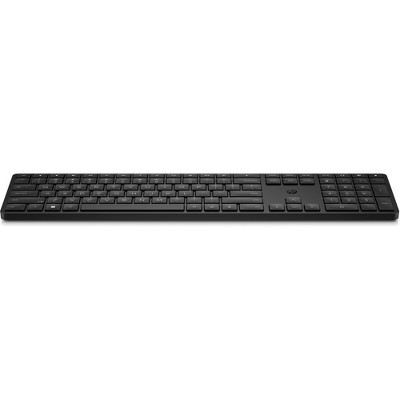
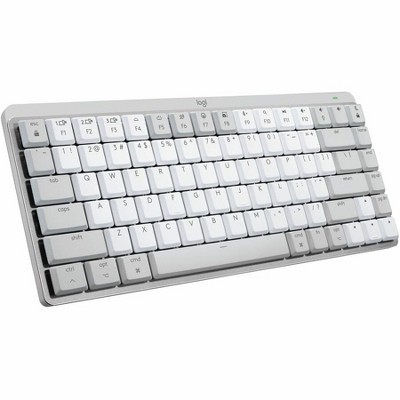
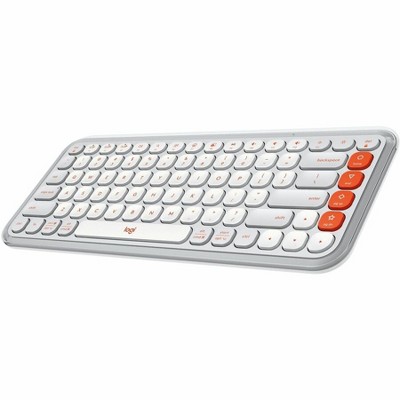
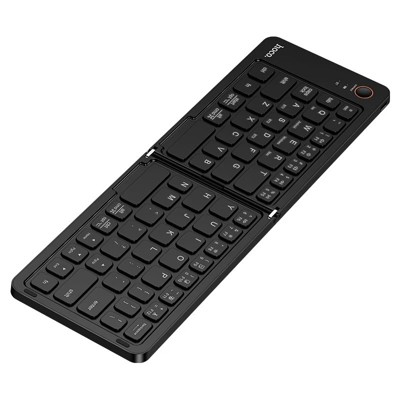
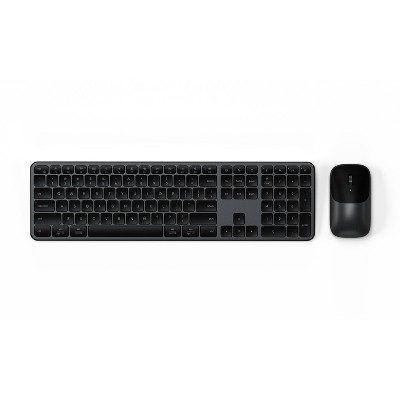
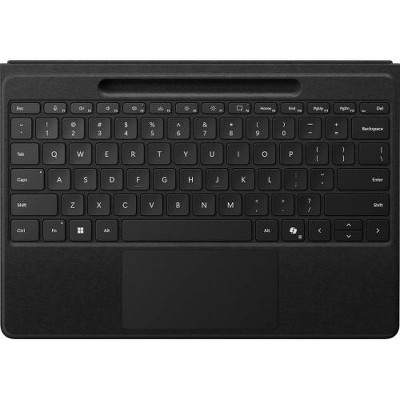
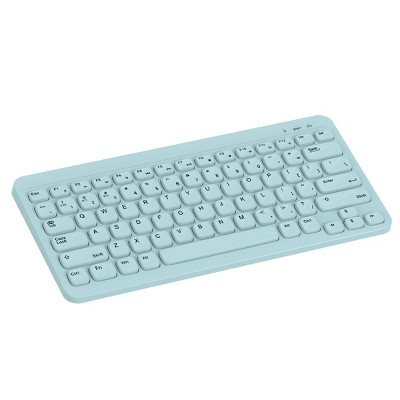
Options span full‑size 108‑key layouts down to compact formats. Common compact choices include 96% layouts (retain a numpad while saving width) and 75% layouts (around 80 keys) for tighter desk space.
Many models offer hot‑swappable switch bases, full‑key macro programming, and RGB lighting with millions of colors plus preset effects—letting you change switches, program keys, and customize lighting presets.
Some mechanical models explicitly support hot‑swapping and note compatibility with 3‑pin or 5‑pin switch replacements; several listings also mention included switch pullers. At least one membrane model is listed as not supporting hot‑swap.
Multiple listings state the keyboards can save or connect up to five Bluetooth/devices for quick switching between paired devices.
Built‑in screens and multi‑function knobs display system info (battery status, date/time) and allow on‑device adjustments such as volume, brightness, or lighting without switching modes.
Listings highlight PBT keycaps, side‑engraving, double‑injection molding and heat‑sublimation legends, plus pre‑lubricated stabilizers and multi‑layer sound‑dampening to improve durability and typing feel.
Common compact options include 96% layouts, which retain a numeric keypad while reducing overall width, and 75% layouts (about 80 keys) that save desktop space while keeping essential keys and arrows.
Power options vary by model: some are USB‑wired only with no battery, others include or offer lithium‑ion batteries, and at least one listing specifies a large‑capacity battery (8000 mAh) in the product title.