Full-head masks usually specify the type of eye and mouth openings. Common eye options are generous cutouts (which still limit peripheral vision) and mesh-covered or perforated openings that reduce visibility. Mouth features include small slits or larger openings to aid breathing and speech.
Many Halloween masks offer full-face or full-head coverage and are often described as covering the entire head. Product listings commonly label these as “full head” masks or state they cover your whole head.
Listings use a mix of age and sizing labels. You’ll commonly see “Suggested Age: All Ages” or “Suggested Age: Adult,” plus sizing tags such as “Women,” “Adult General Sizing,” “Standard,” or “Size: Standard” to indicate one-size or fit-most items.
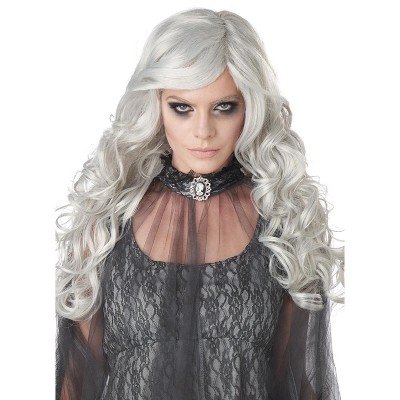
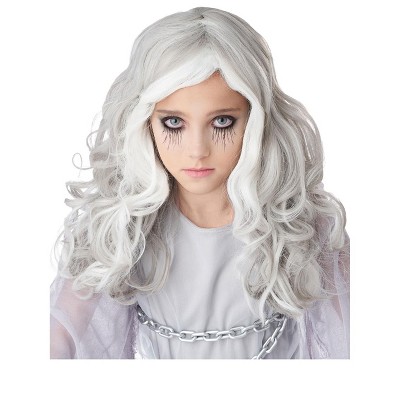
Common fit features include elastic bands, adjustable straps, and elastic cap edges on wigs. These elements help hold the mask or wig snugly in place while worn.
Size information varies by product. Dimension listings range roughly from about 4 x 13 inches up to 10 x 20 x 42 inches, while maximum head-size notes span about 8 inches to 26 inches. Many items also use labels such as “Adult General Sizing” or “Standard/Size: Standard” to indicate a one-size or fit-most approach.
Product listings note battery requirements such as two AA batteries (not included) for some LED masks and three AAA alkaline batteries (not included) for certain larger props. Others simply state “Battery: Required, Not Included.”
Full-head masks often include a slit between the upper and lower jaws, small nostril or mouth openings for airflow, or a wider mouth opening to facilitate vocalization and breathing.
Descriptions emphasize features that suggest decay and aging, such as a “decayed” face, weathered cracking and textured skin details, and pronounced skull or bone features. Some listings also note surface finishes (for example, a white exterior) that increase visibility in low light.