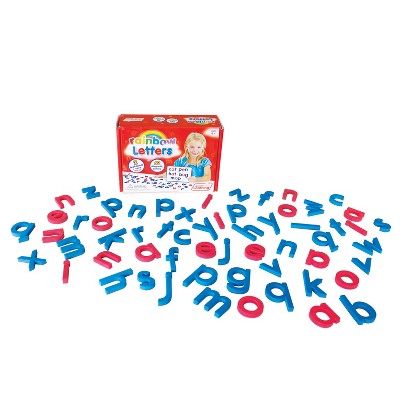
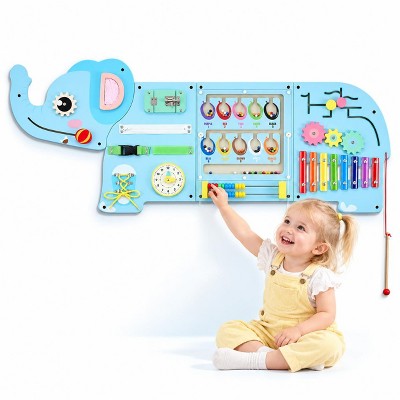
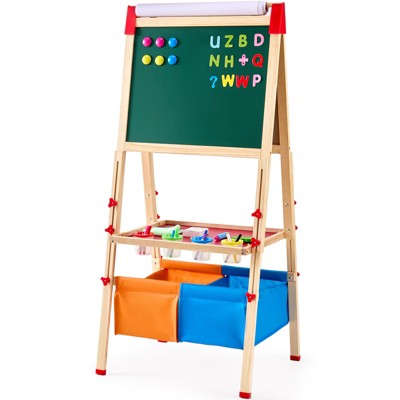
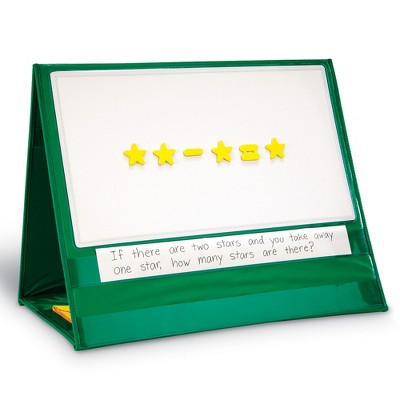
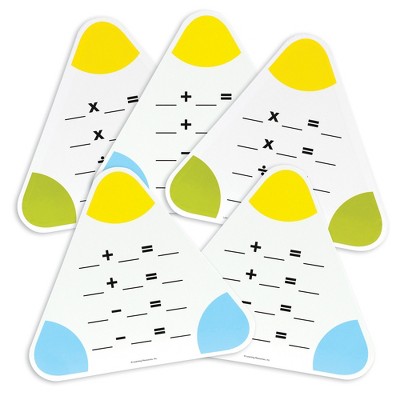
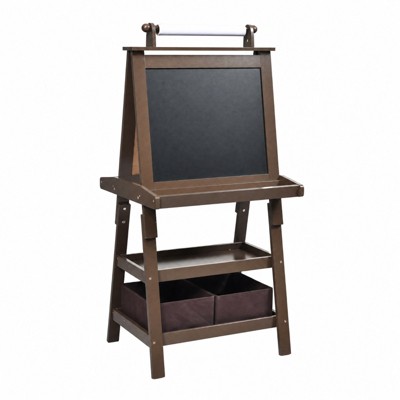
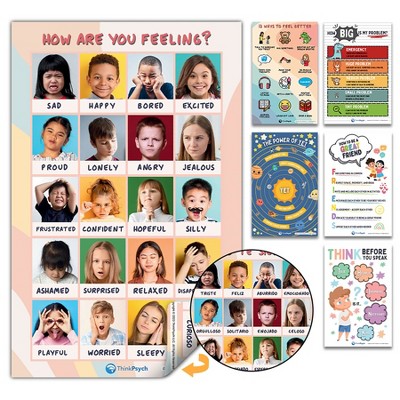
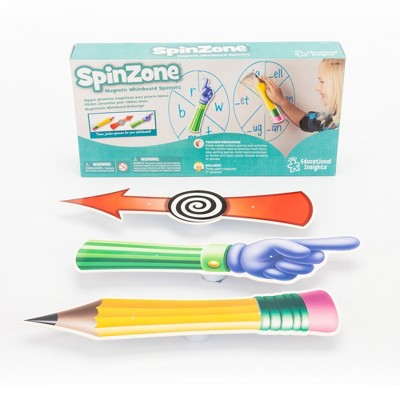
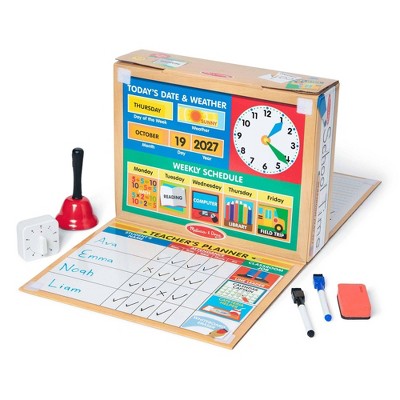
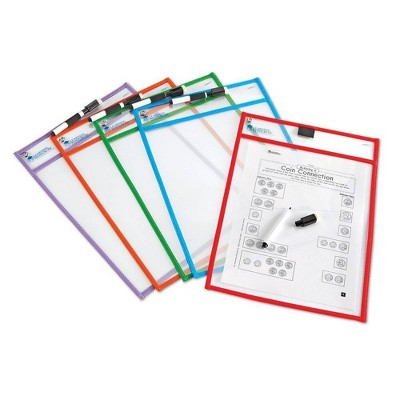
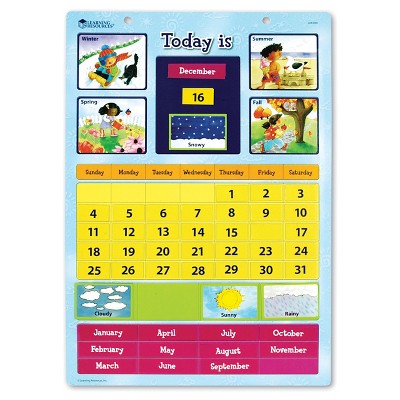
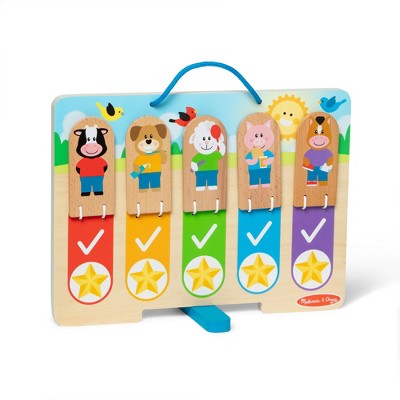
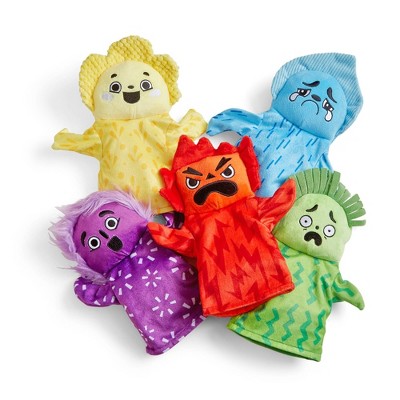
They are commonly made from paper or cardstock, plywood/wood, or plastic.
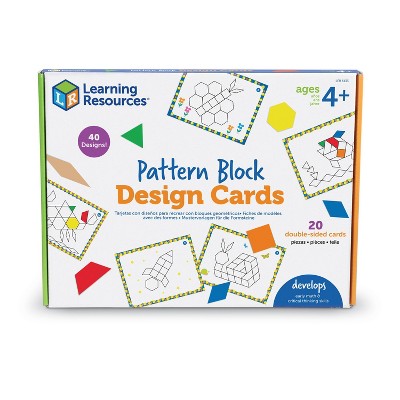
Most target preschool and early elementary children, commonly labeled "3 years and up" or "4 years and up." (A few listings may note different audiences.)
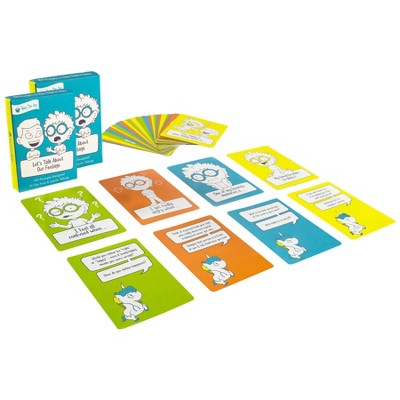
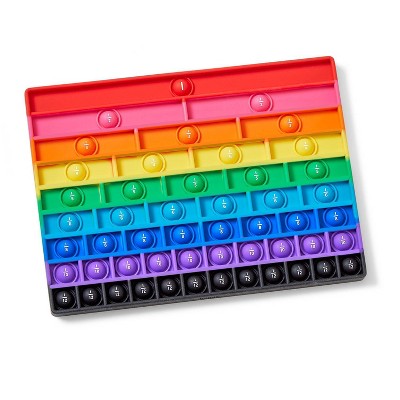
They primarily target emotional development and social skills; many sets also support language, fine motor skills, memory, sensory development, color/shape recognition, and problem solving.
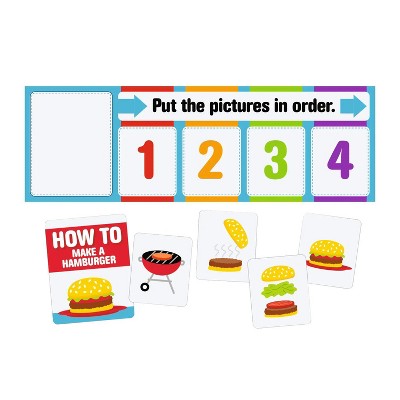
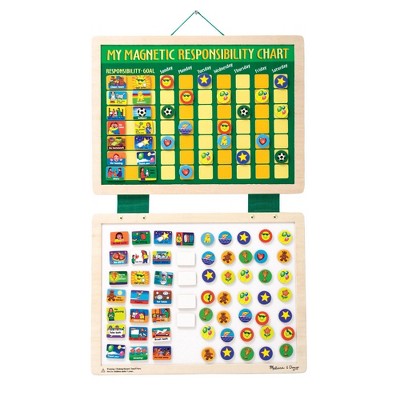
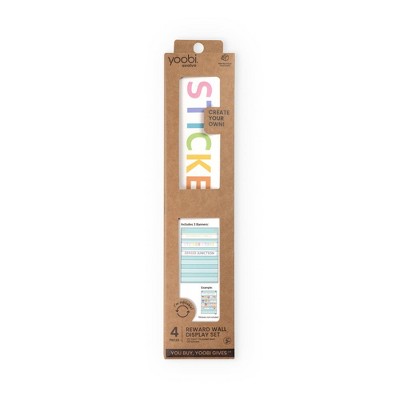
Common components include numerous task/reward magnets, one or two dry‑erase writable boards or surfaces, hanging cords, printed play guides, and sometimes a dry‑erase marker for customization.
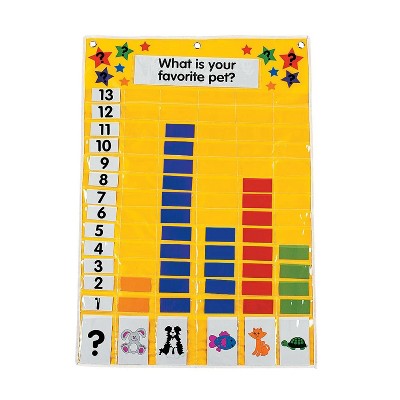
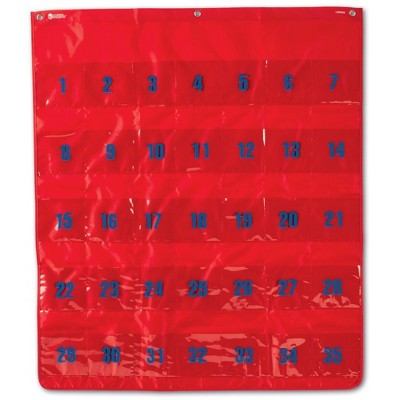
Pocket charts often include person‑shaped craft sticks or cards with blank backs so a child can place a hidden marker under the emotion they feel; sets also include multiple feelings and organization cards to guide private sharing.
They offer writable or magnetic tracking with day‑of‑week slots, spaces to track multiple goals (often seven), and use different magnets or markers to indicate full, partial, or missed completion across the week.