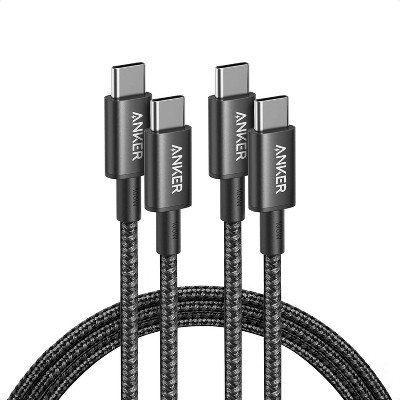
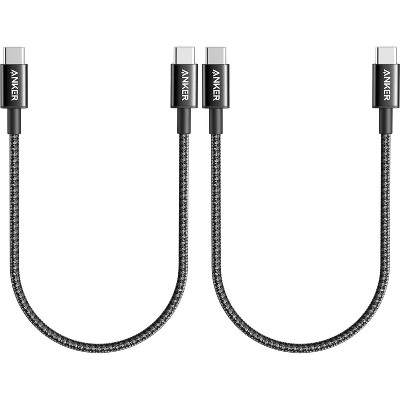
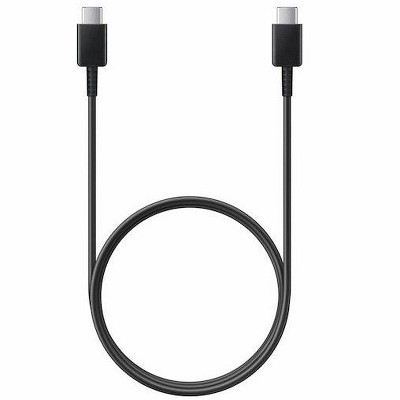
Most listings state USB 3.0 support — commonly up to 5 Gbps. Note that a few listings only list "USB 3.0" without specifying the numeric speed.
Some listings describe designs that allow simultaneous charging and data transfer — either via an integrated charging port or an independent fast-charging line — so the headset can be powered during gameplay. Not all listings specify this feature.
Reviewers repeatedly cite longer cables (for example, 10 ft and 16 ft) as a key comfort benefit, giving more freedom of movement. They report reliable, fast connections and explicit Quest 3 compatibility; reviews also note options to charge the headset while in use.
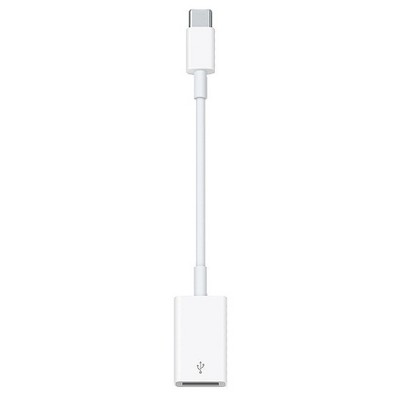
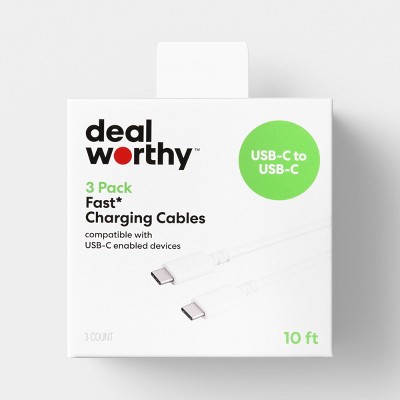
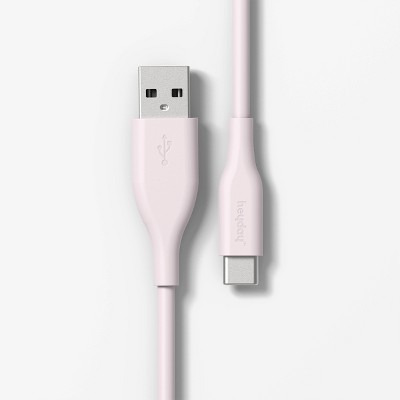
Listings show USB‑C and USB‑A connector types. The connection gender is most often listed as male‑to‑female (i.e., a male plug to a female receptacle).
Common lengths offered include 1 ft, 10 ft, and 16 ft. Longer cables (10–16 ft) provide more freedom of movement and improved comfort during play, while shorter cables limit range.
Listings commonly list compatibility with Quest 3 and 3S, Quest 2, and Quest Pro.
Descriptions commonly mention durable TPE construction, flexibility that resists tangling, stretch and abrasion resistance, and reinforced or right‑angle connector designs for added sturdiness.
Right‑angle (90°) USB‑C connectors are frequently mentioned. These stay closer to the headset, reduce snagging during movement, and help prevent accidental disconnection.
Listings emphasize high flexibility and tangle resistance: cables are described as able to bend freely without breaking, made from flexible materials that resist tangling, and able to withstand repeated bending.