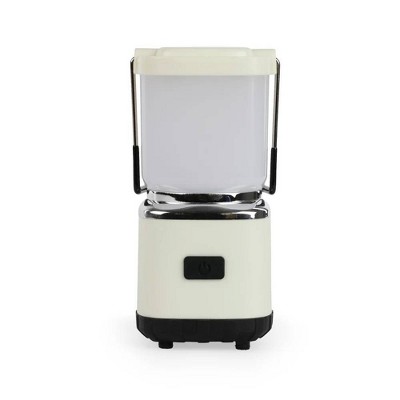
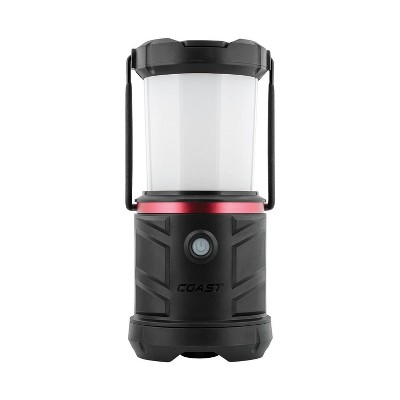
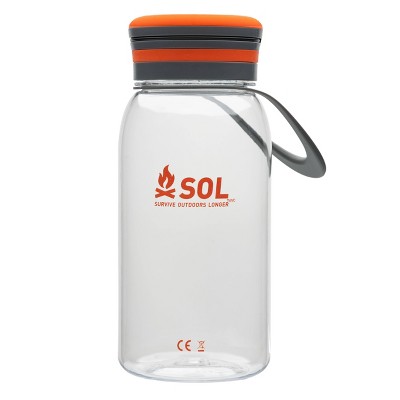
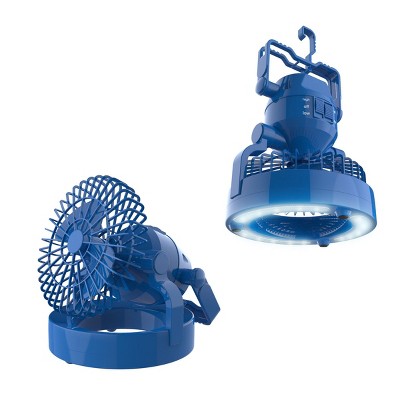
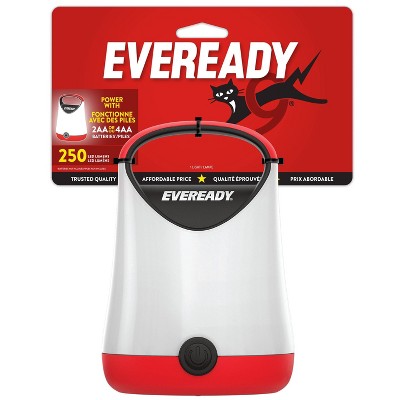
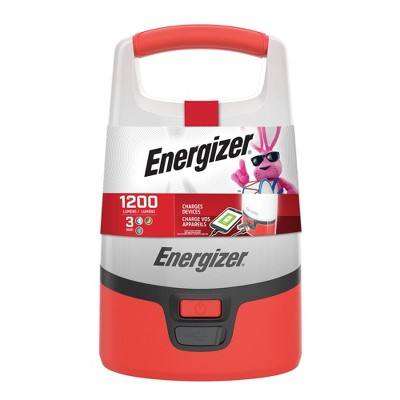
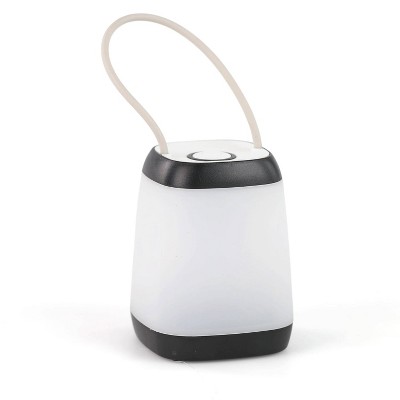
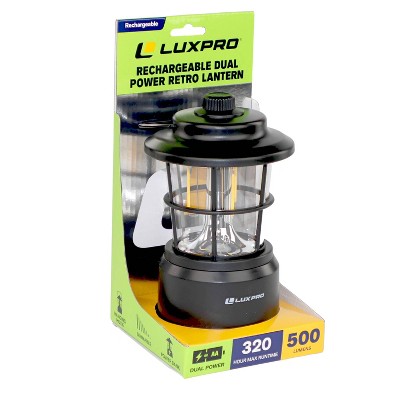
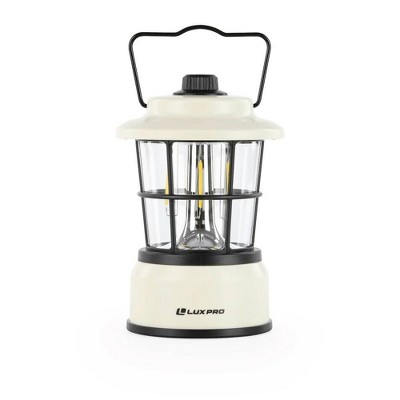
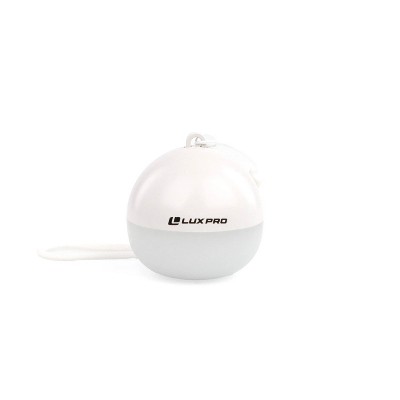
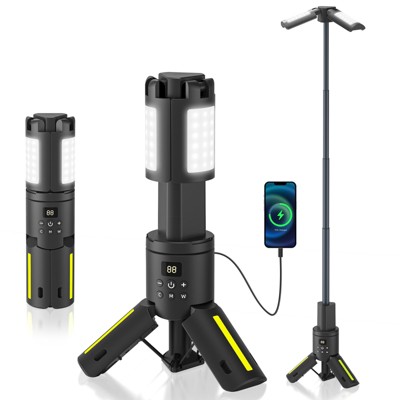
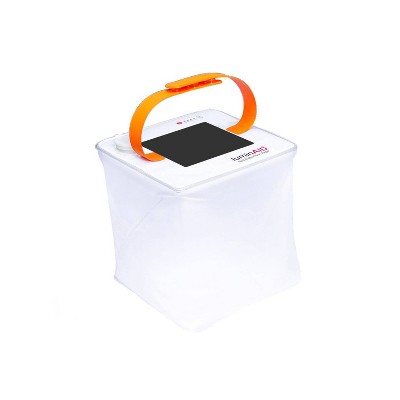
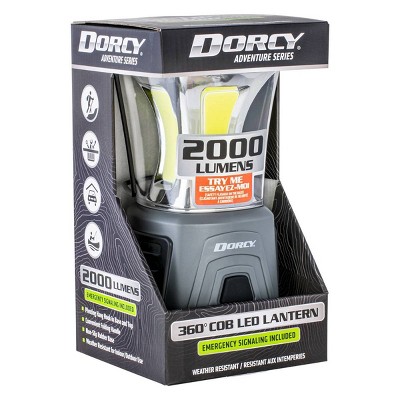
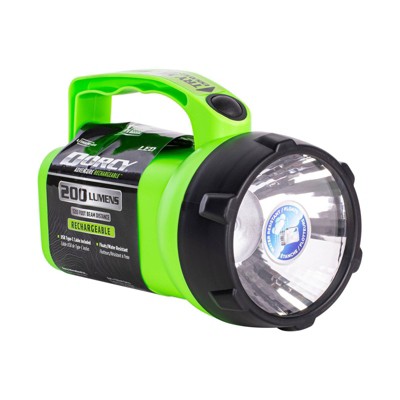
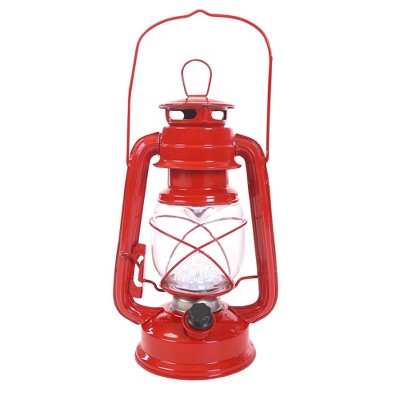
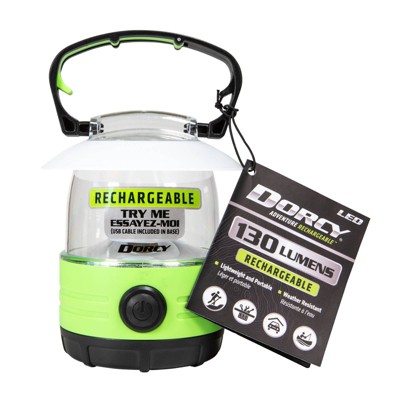
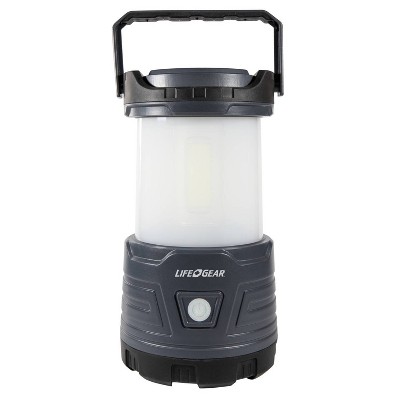
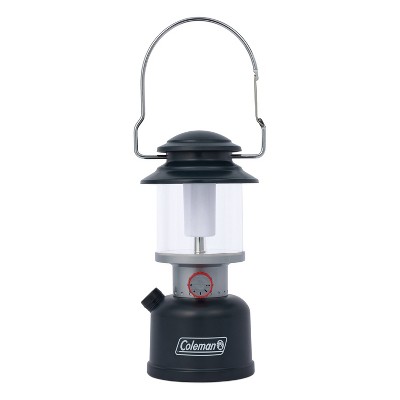
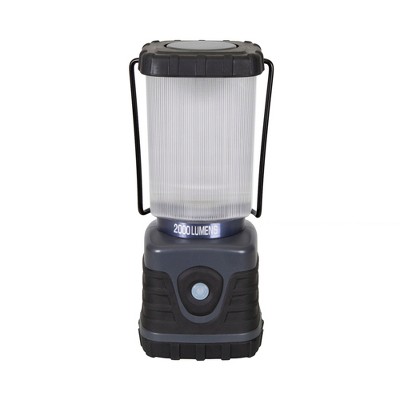
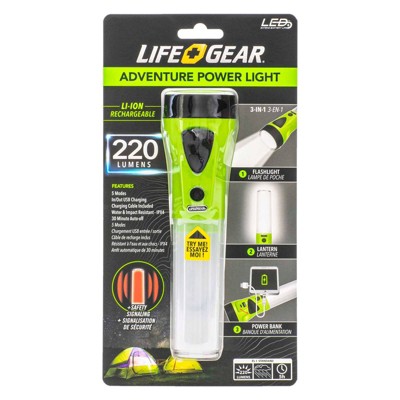
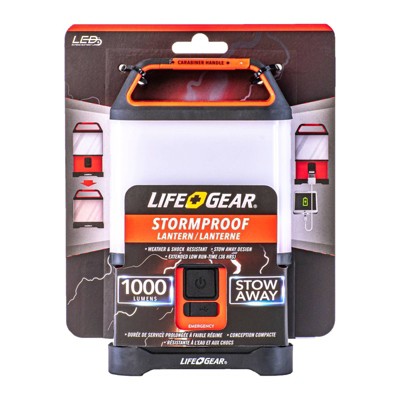
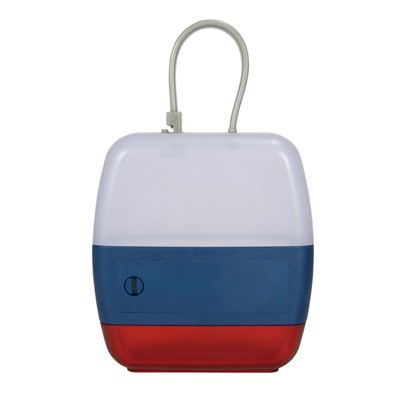
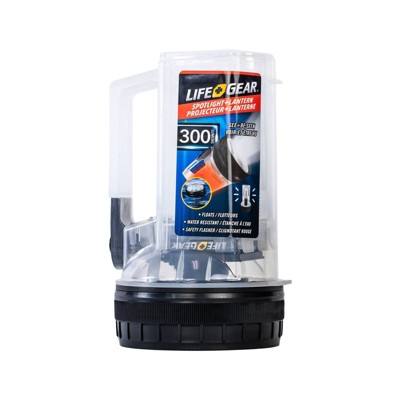
Brightness varies by model—from about 60 lumens up to roughly 1,250 lumens. Many mini lanterns cluster in the 250–1,000 lumen range, so check a model’s spec sheet to match brightness to your needs.
Run times depend on the model and the brightness mode. Typical ranges include a few hours on high and many hours or days on low; examples from listings include 12 hours, 24–48 hours, 100 hours, and a reported maximum of about 225 hours on the lowest setting. Always check the manufacturer’s runtime specs for the mode you plan to use.
Many mini lanterns advertise water- or weather-resistant designs. Common ratings and labels in listings include IP65, IP54, IP44, and generic "water-resistant" descriptions. Review the specific IP rating on the product page to ensure it matches your planned outdoor conditions.
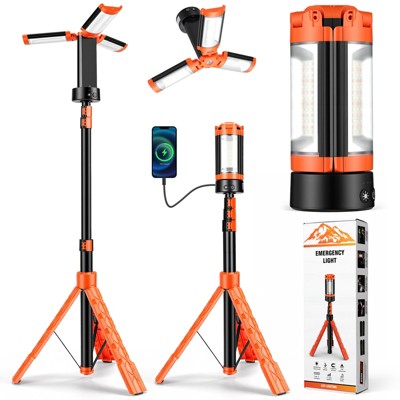
Some rechargeable mini lanterns include built-in batteries plus a USB output so they can charge phones or other small devices. Listings that advertise this feature will show a built-in battery capacity and a USB (or USB-C) output labeled for power-bank use—check the product specs to confirm output current and capacity.
Mini lanterns use several power types: replaceable alkaline cells (AA or D), built-in or removable lithium-ion packs (including 18650-style cells or proprietary lithium-ion), and some models offer USB charging or solar-rechargeable options. Verify the listing to see if the battery is user-replaceable or built-in.
Common modes include low, medium, and high brightness; wide-area/flood output; stepless dimming or multiple stepped levels; and emergency modes such as red light, SOS, or strobe/flicker. Many models combine several modes to balance brightness and runtime.
Common hands-free options include foldaway or dual hanging handles, built-in hanger rings or carabiner clips, and magnetic bases for mounting to metal surfaces. Look at the product photos and feature list to confirm which attachment options a particular model provides.