Target New ArrivalsBack to SchoolCollegeClothing, Shoes & AccessoriesHome & DecorKitchen & DiningOutdoor Living & GardenGroceryHousehold EssentialsBabyBeautyPersonal CareSports & OutdoorsHealthWellnessSchool & Office SuppliesToys & GamesElectronics & TechVideo GamesMovies, Music & BooksParty SuppliesGift IdeasGift CardsPetsUlta Beauty at TargetShop by CommunityTarget OpticalDealsClearanceNew ArrivalsBack to SchoolCollegeTop DealsTarget Circle DealsWeekly AdShop Order PickupShop Same Day DeliveryRegistryRedCardTarget CircleFind Stores

moisturizer eczema

486 results for “moisturizer eczema”
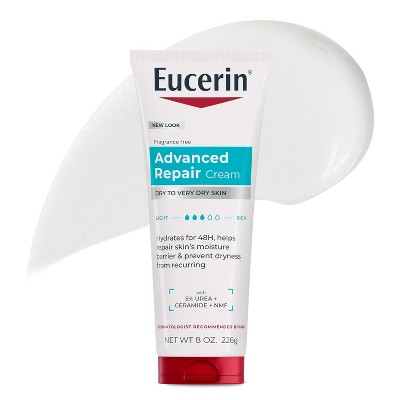
Eucerin Advanced Repair Body Cream for Very Dry Skin Unscented - 8oz

$9.99($1.25/ounce)

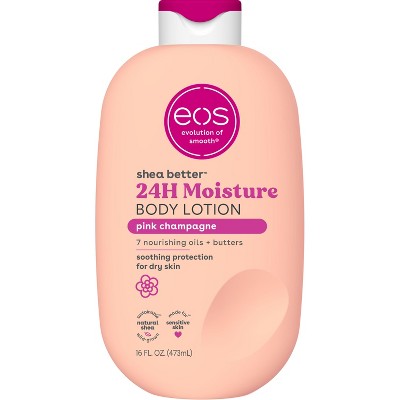
eos Shea Better 24H Moisture Body Lotion - Pink Champagne - 16oz

$9.99($0.62/fluid ounce)

Eucerin Skin Calming Daily Body Cream Unscented

$14.99

Vaseline Intensive Care Moisturizing Advance Repair Body Lotion - Unscented

Sponsored

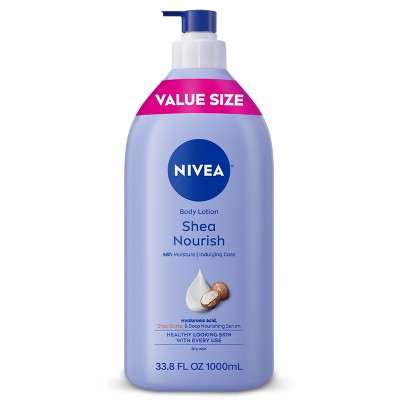
NIVEA Shea Nourish Dry Skin Body Lotion with Shea Butter

$4.49 - $11.49

Sponsored

Powered by AI

Guests also ask:

Moisturizers for eczema-prone skin commonly come in several formulations: creams, lotions, balms, and gel moisturizers.

Eczema moisturizers are typically described for multi‑use application on the face, body, hands and lips, and for specific dry or problem areas such as elbows, knees, heels and localized patches.

Product instructions commonly recommend applying moisturizers liberally and as often as needed; some formulas also suggest nighttime use (for example, baby balms) or regular daily application to maintain the skin barrier.

Package sizes vary widely, from small trial or travel pots around 1–1.35 ounces up to larger tubs and bottles in the roughly 8–16 ounce range.

Common soothing or barrier‑supporting ingredients include ceramides, hyaluronic acid, colloidal oatmeal, panthenol (vitamin B5), shea butter, glycerin, madecassoside (often with copper/zinc/manganese), prebiotic oat extracts and feverfew, plus plant extracts such as chamomile, calendula, rosemary and pansy.

Common features include fragrance‑free or no added fragrance formulations, paraben‑ and phthalate‑free labeling, hypoallergenic or non‑comedogenic claims, and dermatologist testing or recommendation. Some baby formulas are also marketed as steroid‑free or free of lanolin/dyes, and a few note allergy‑testing.

Age recommendations vary by product: some are labeled for infants (for example 0–6 months or "babies as young as one week"), others are marketed for the whole family, and some list use for adults (18+). Always check the product label for specific age guidance.

Reported textures vary by formula: many are described as thick, rich and creamy, while others are lightweight, fast‑absorbing and non‑greasy; a few are gel‑like. Texture and absorption depend on the specific product formulation.

Get top deals, latest trends, and more.