Target New ArrivalsBack to SchoolCollegeClothing, Shoes & AccessoriesHome & DecorKitchen & DiningOutdoor Living & GardenGroceryHousehold EssentialsBabyBeautyPersonal CareSports & OutdoorsHealthWellnessSchool & Office SuppliesToys & GamesElectronics & TechVideo GamesMovies, Music & BooksParty SuppliesGift IdeasGift CardsPetsUlta Beauty at TargetShop by CommunityTarget OpticalDealsClearanceNew ArrivalsBack to SchoolCollegeTop DealsTarget Circle DealsWeekly AdShop Order PickupShop Same Day DeliveryRegistryRedCardTarget CircleFind Stores

organic bandages

200 results for “organic bandages”
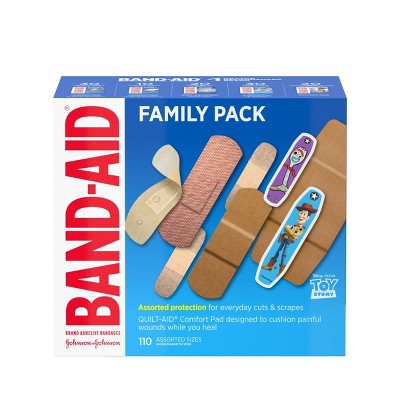
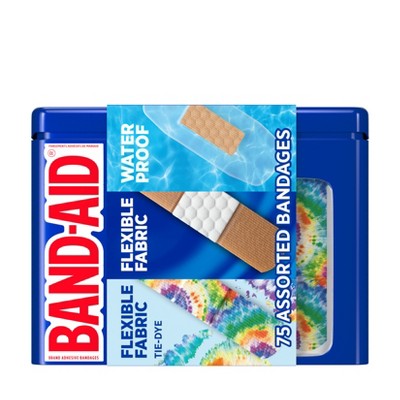
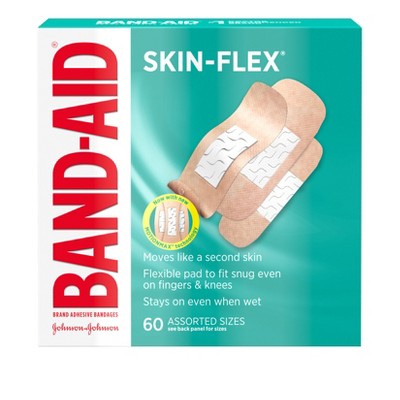
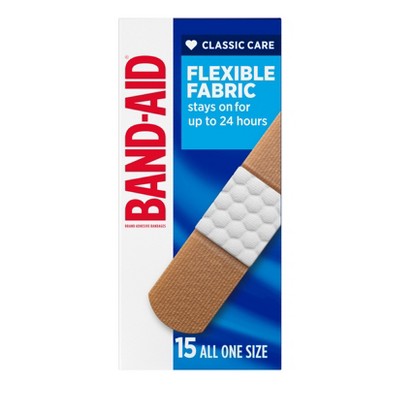
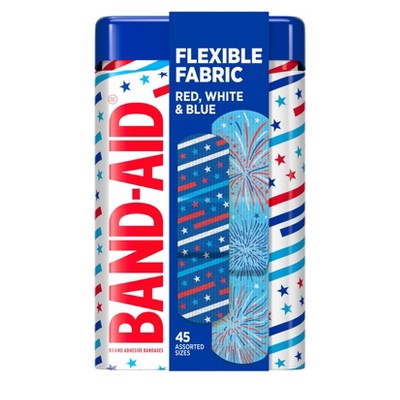
Band-Aid 2pk/100ct Each Flexible Fabric Adhesive Bandages

$17.08
Value Bundle
$17.98 when purchased separately

Sponsored

Sponsored

Powered by AI

Guests also ask:

Common materials used in organic bandages include bamboo-derived rayon, organic cotton blends, and alginate (a fiber derived from seaweed). These materials are chosen for their natural origin and gentle feel on skin.

Some organic dressings use calcium alginate (from seaweed) to absorb and lock in exudate. Alginate can form a hydrogel at the wound surface, maintaining a moist healing environment and providing much higher absorption than regular gauze.

Many organic dressings are supplied sterile and individually wrapped for single use. Other formats include multi-layer kits and multi-count household packs intended for non-sterile home storage; packaging details are listed on each product.

Most organic bandages are intended to be disposable. Product labels commonly state instructions such as “Discard After Using” or “Do Not Wash,” so follow the label and local disposal guidelines.

Look for hypoallergenic materials (such as gentle bamboo-based fabrics) and latex-free dressings to reduce the risk of irritation. Product labels typically note these features.

Many adhesive strips are designed to be flexible and move with the body; some dressings are made to conform to body contours or be trimmed to size for a better fit.

Get top deals, latest trends, and more.