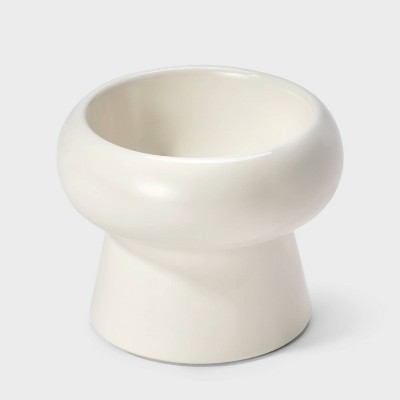
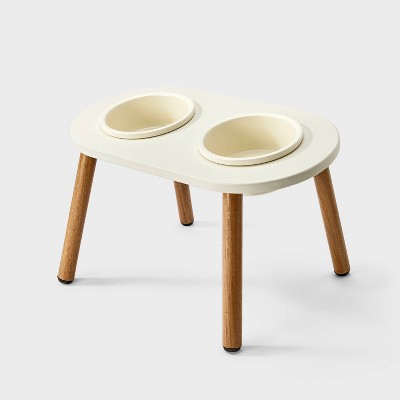
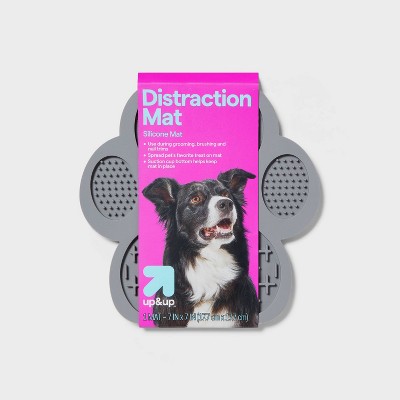
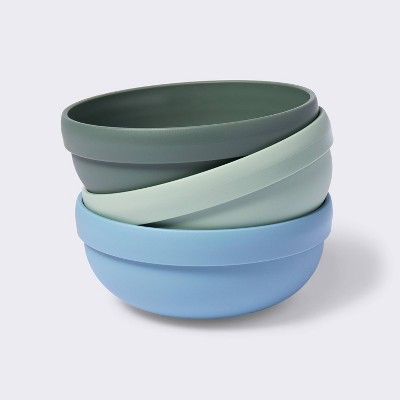
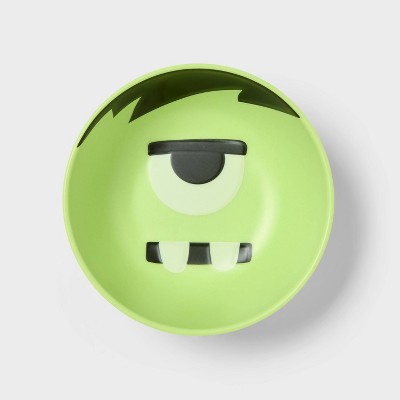
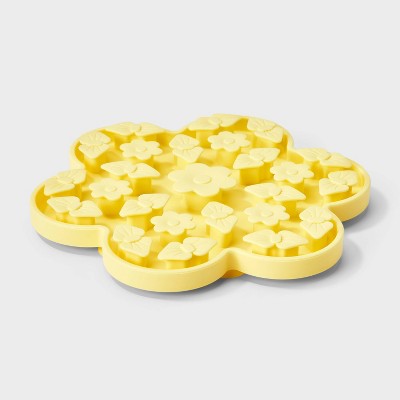
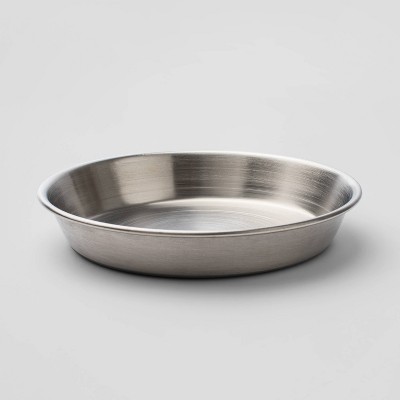
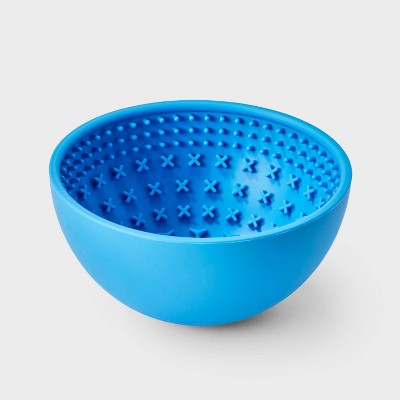
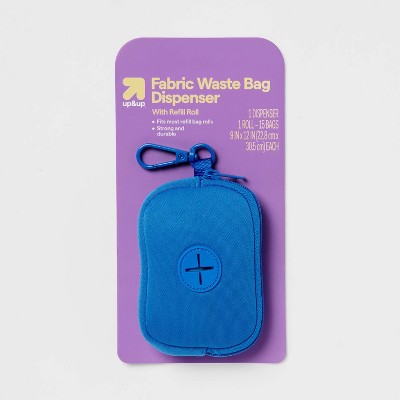
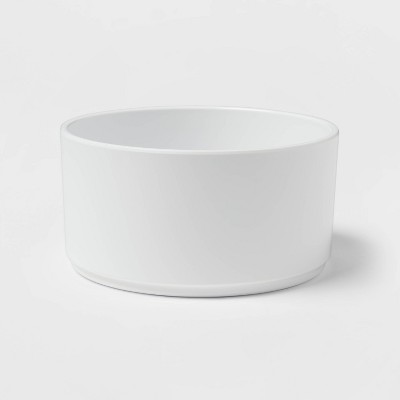
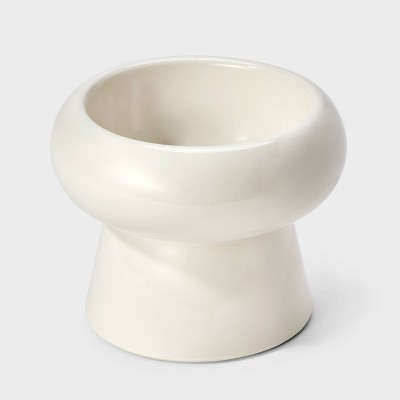
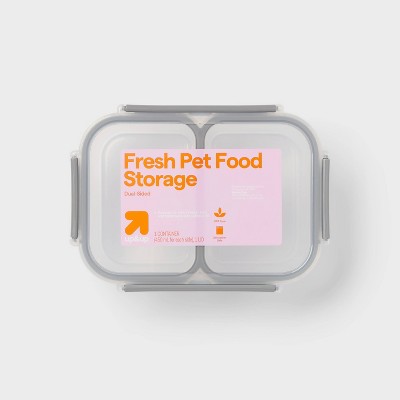
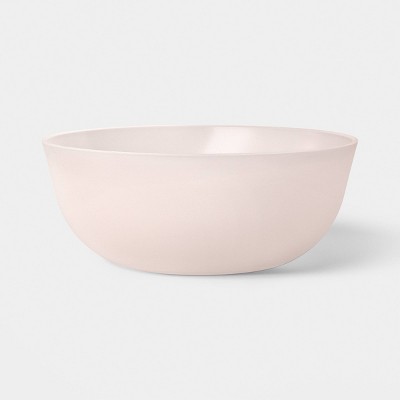
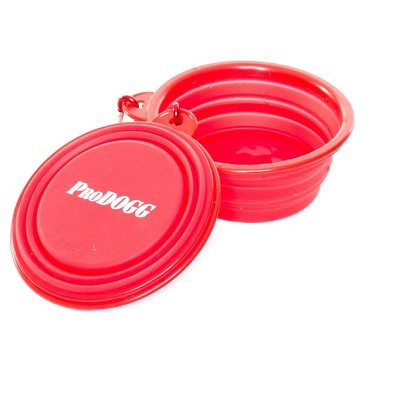
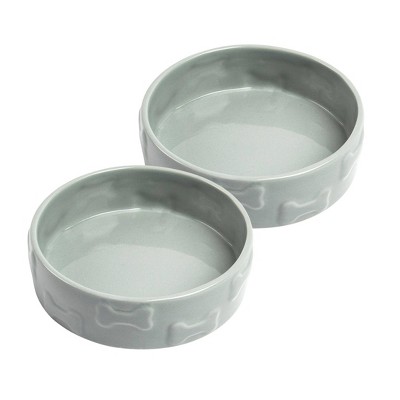
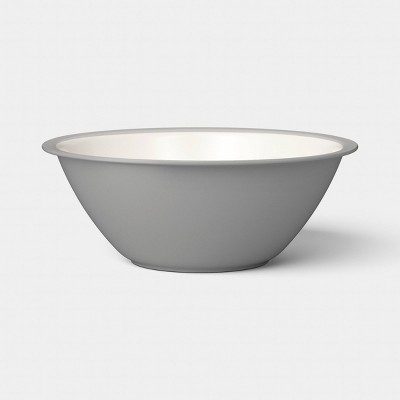
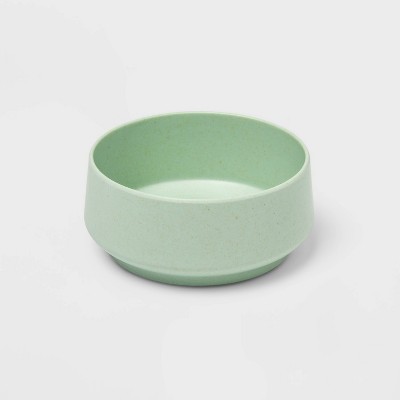
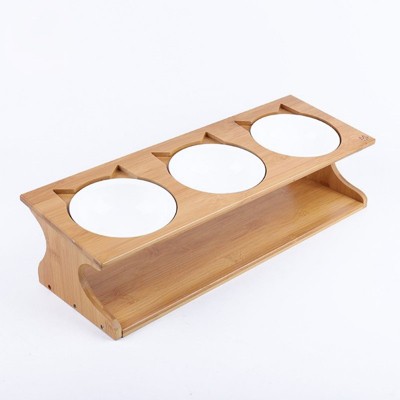
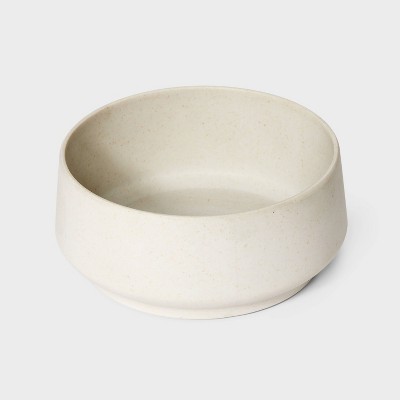
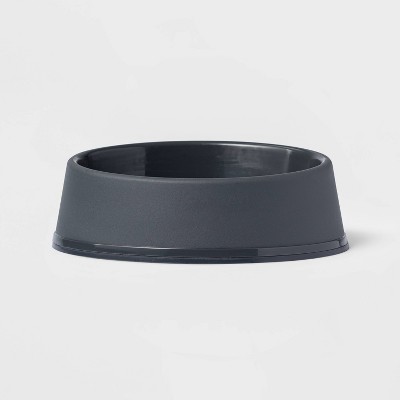
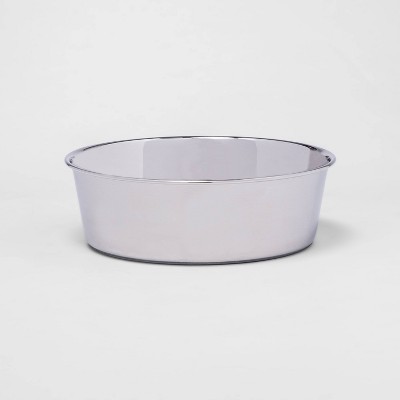
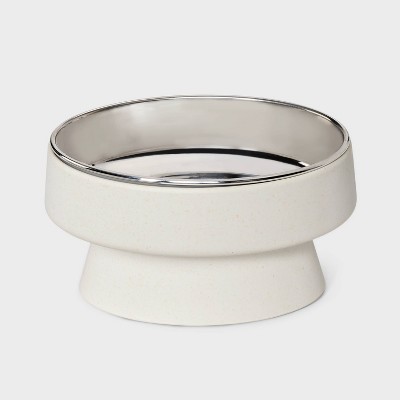
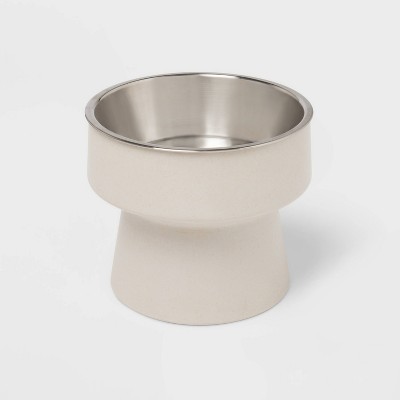
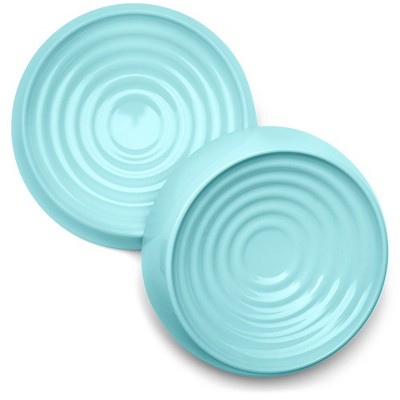
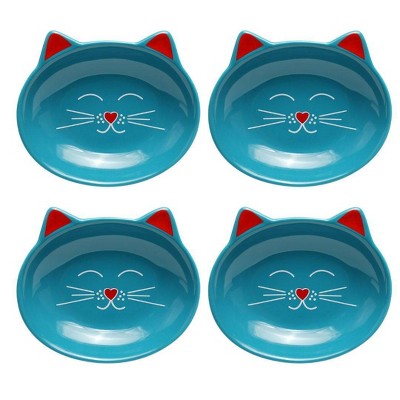
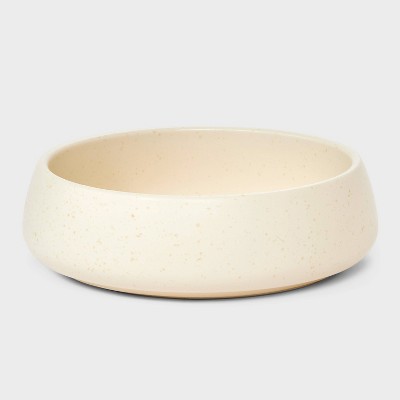
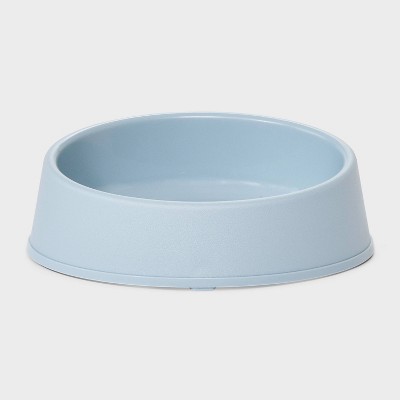
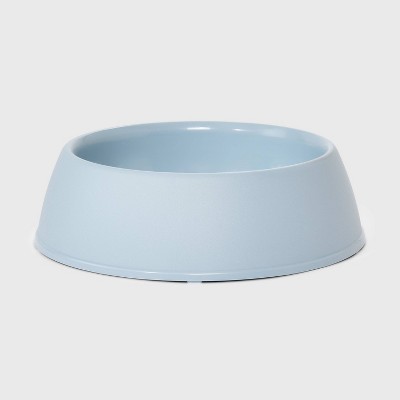
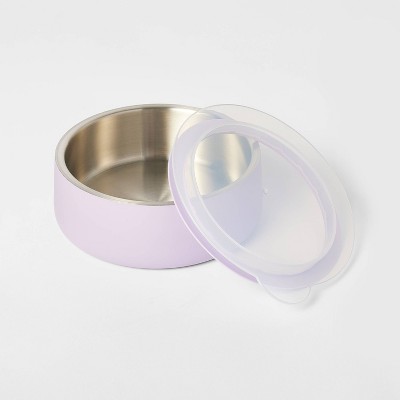
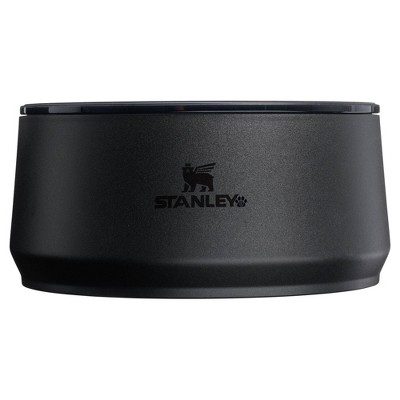
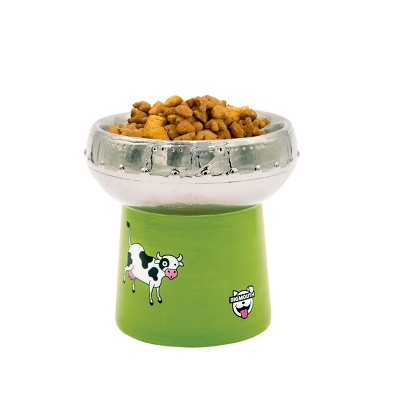
Most are made from plastics such as polypropylene or TPE (often described as FDA‑compliant, non‑toxic). Other models use melamine or bamboo‑melamine blends. Some designs also include rubber components or a rubberized pad on the bottom for grip.
Sizes vary widely: small bowls start around 0.75 cup, while larger slow‑feeder bowls hold up to about 4 cups (≈32 ounces). Some shallow trays and snack‑style bowls list capacities in the 1.5–12 ounce range.
Many listings state the bowls are designed and/or manufactured in the USA, with explicit "Made in USA" or "designed and manufactured in the USA" notes on several products.
Yes. Common stabilization features include a non‑slip base, rubber components, or a rubberized bottom rim to help keep bowls from sliding during use.
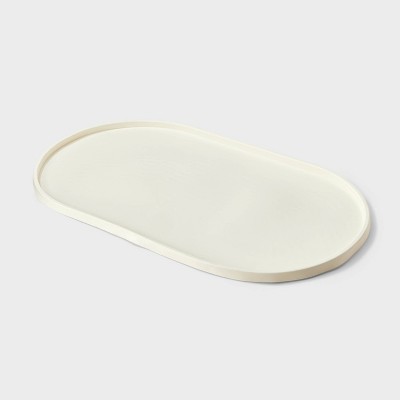
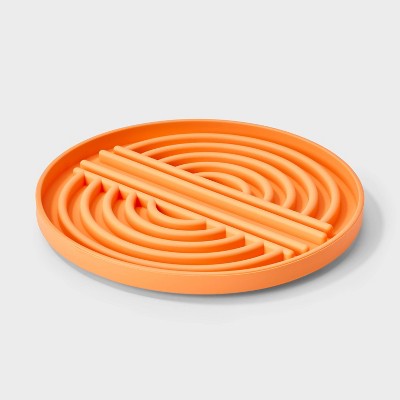
There are deeper segmented slow‑feeder bowls with varying chamber depths and openings, and shallower enrichment trays with raised ridges. Deeper segmented bowls suit larger dogs or multi‑food servings; shallower trays are shown as better for small or flat‑nosed breeds and for snacks or lickable treats.
Listings commonly identify materials like polypropylene, melamine, rubber, or TPE and include labels such as FDA‑compliant/non‑toxic and BPA‑free where applicable.