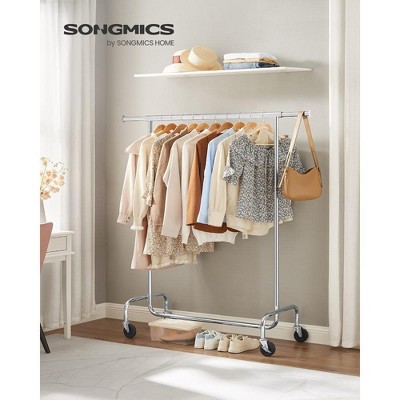
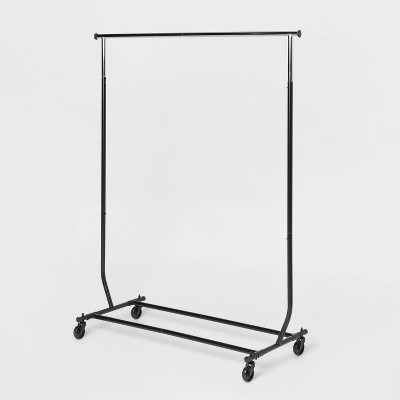
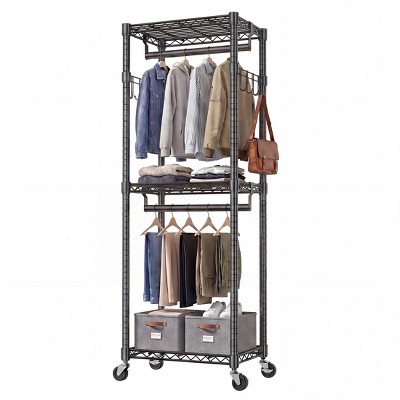
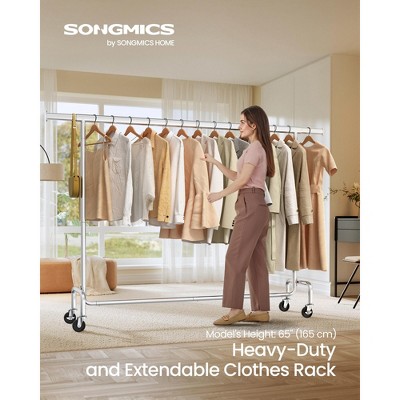
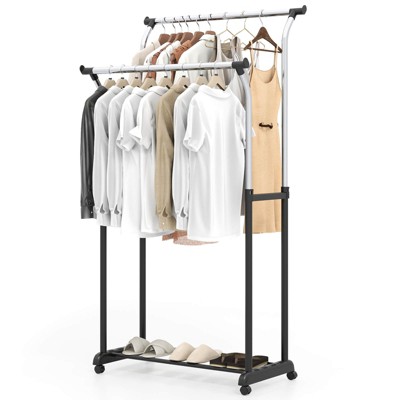
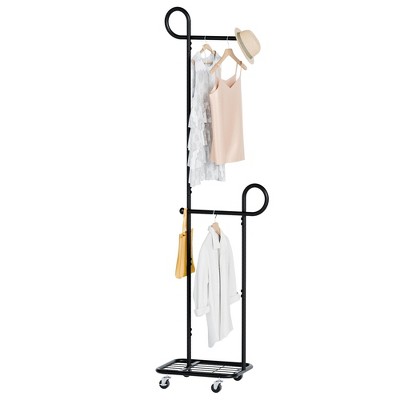
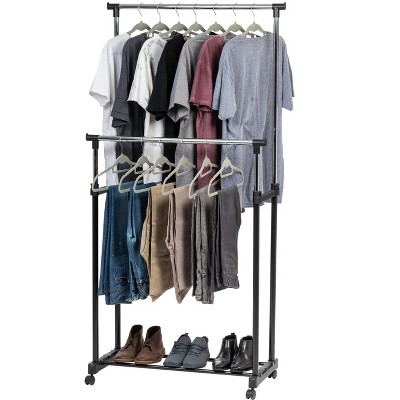
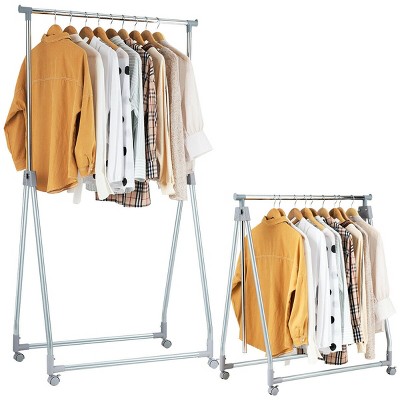
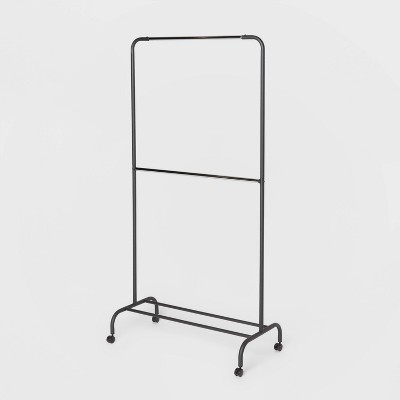
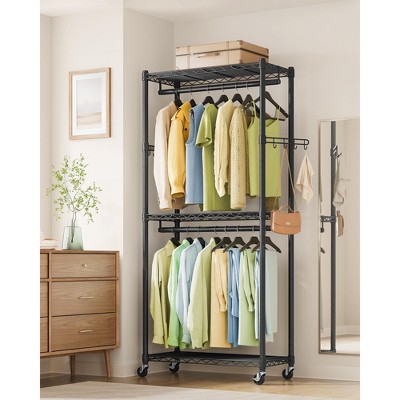
Many rod racks include rolling hardware for easy movement — common options are swivel wheels or casters for mobility and locking casters or brakes to secure the rack in place. Some models also offer optional fixed feet for permanent placement.
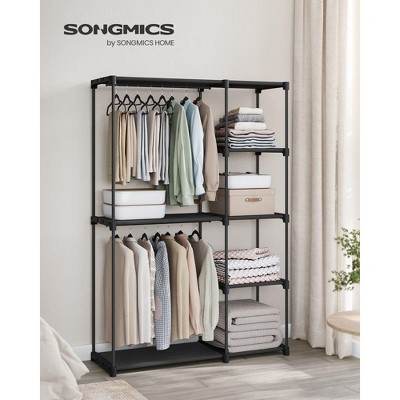
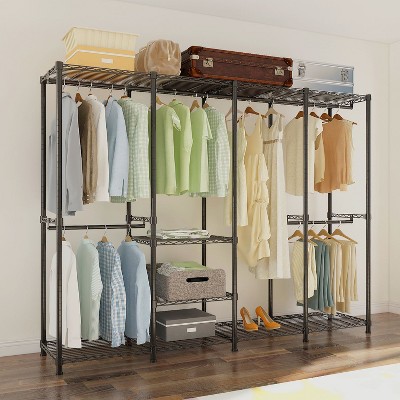
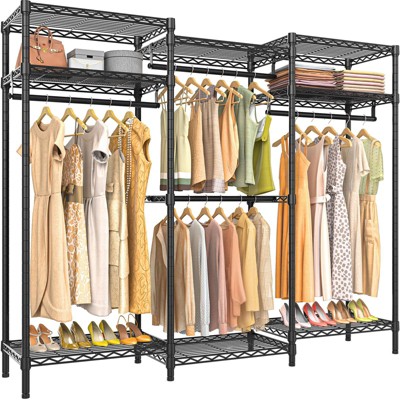
Adjustability varies by model, but many racks let you change rod position and shelf height. Examples include retractable or removable middle rods and height-adjustable wire shelves, allowing you to reconfigure hanging space and shelving to fit different items.
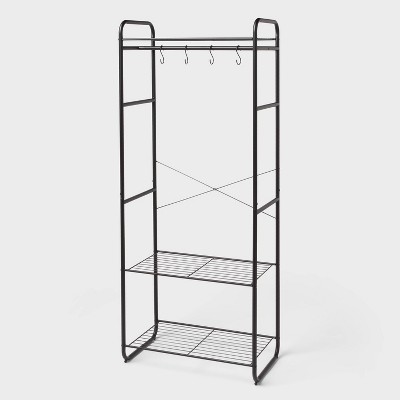
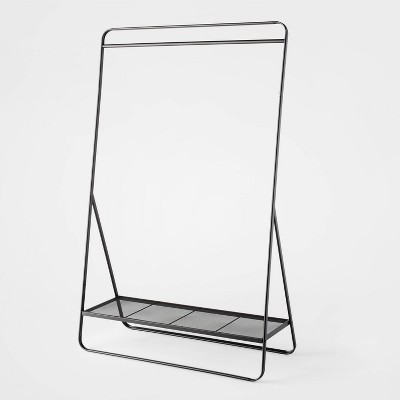
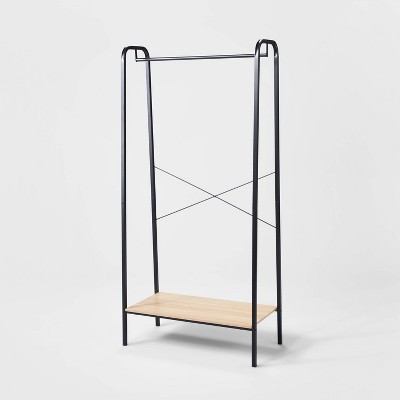
Most rod racks use metal or steel frames for strength and durability. A smaller number of designs incorporate natural materials such as wood or bamboo for frames or shelves.
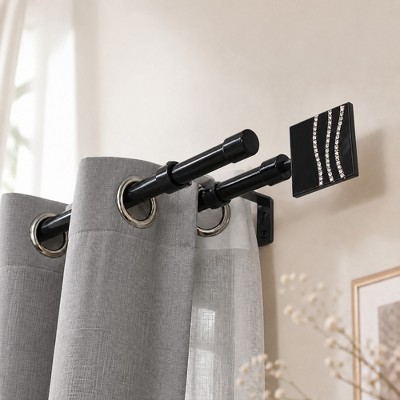
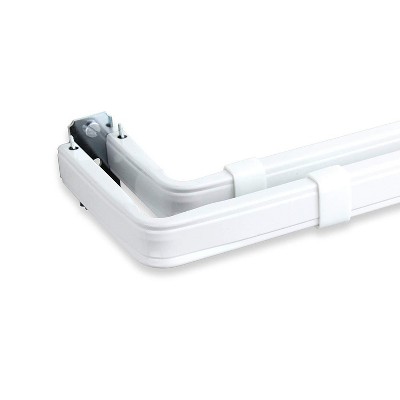
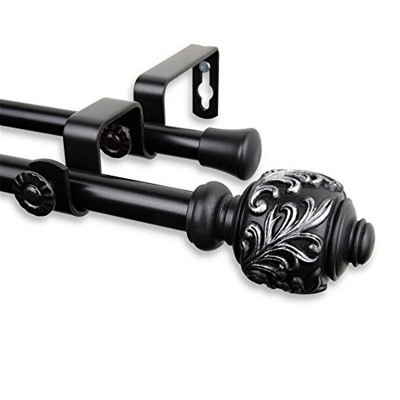
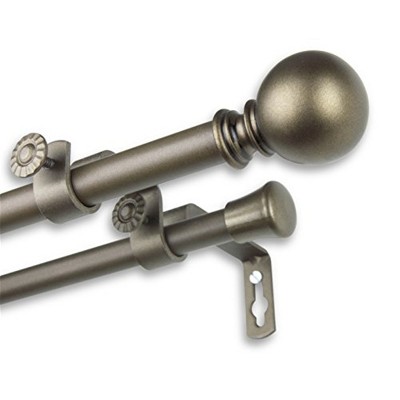
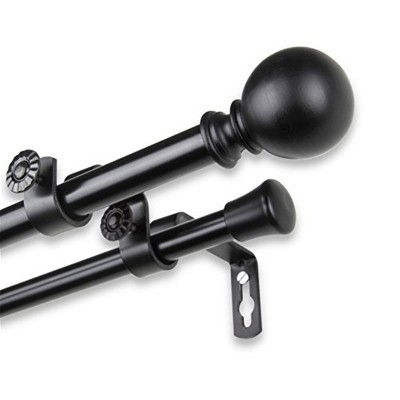
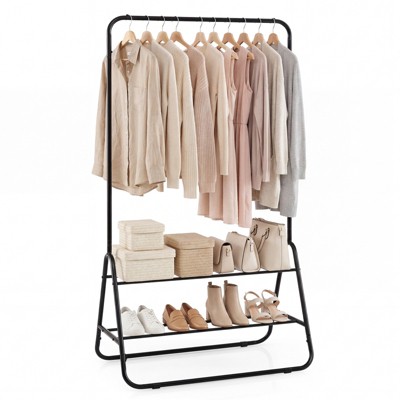
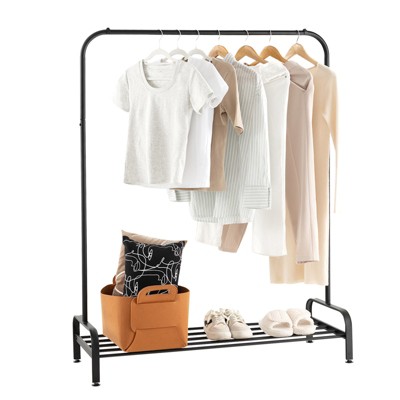
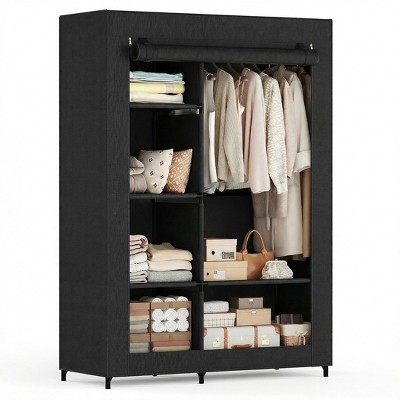
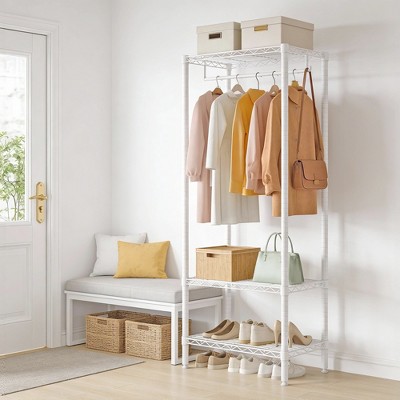
Many rod racks offer a single hanging rod as standard. Some models include two rods or detachable/removable rods to increase hanging capacity or provide more flexible configurations.
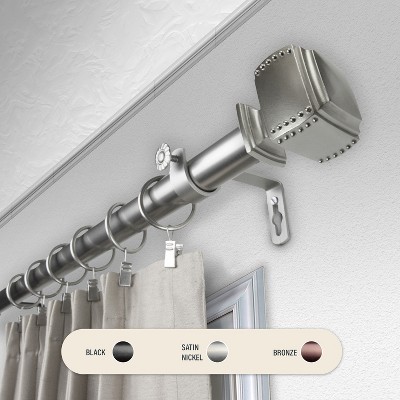
Common finishes include powder-coated metal and plated or polished metal surfaces. Some freestanding designs combine metal frames with natural wood or bamboo surfaces.
Most rod racks require adult assembly, but methods vary: some advertise tool-free or quick assembly, while others require tools (some include the needed tools). Check the product details for the specific assembly method.
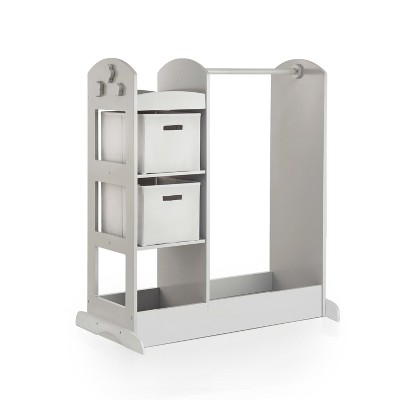
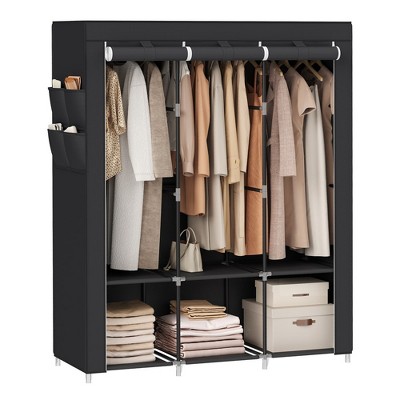
Common extras include side or accessory hooks, casters with locking wheels for mobility and stability, mesh or wire shelves for airflow, and safety features such as anti-toppling devices on some freestanding designs.