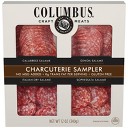
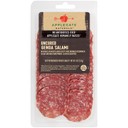
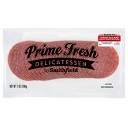
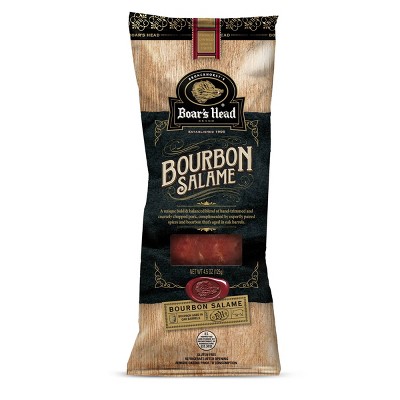
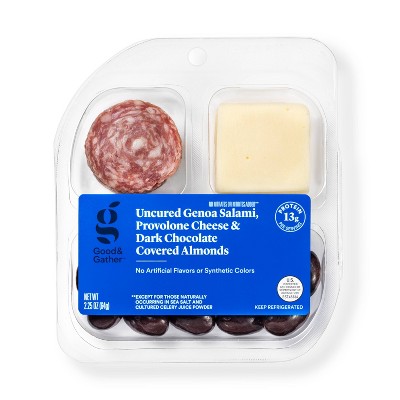
Common varieties listed include Italian Dry, Genoa, Peppered, Calabrese, hard salami, and wine‑infused salami. Some packs also include other cured meats such as prosciutto and capocollo.
Many listings are labeled "ready‑to‑eat." Other common labels note whether the product is cured, uncured, or fully cooked. Several items are also sold pre‑sliced for immediate use.
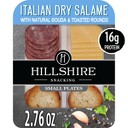
Protein varies by product; examples in these listings show about 6 grams of protein per serving for some slow‑aged salami and about 16 grams per serving for certain single‑serve snack plates.
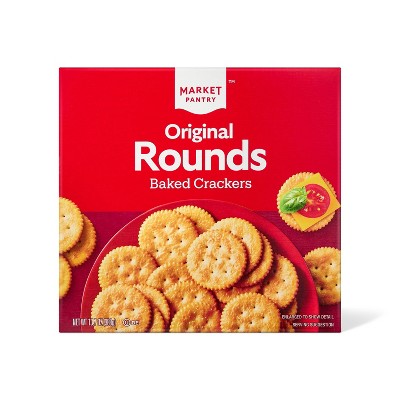
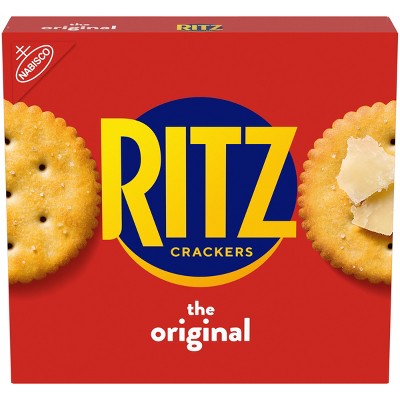
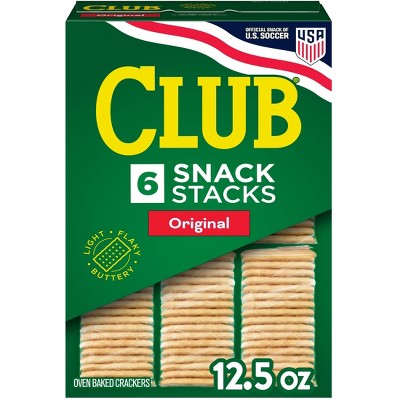
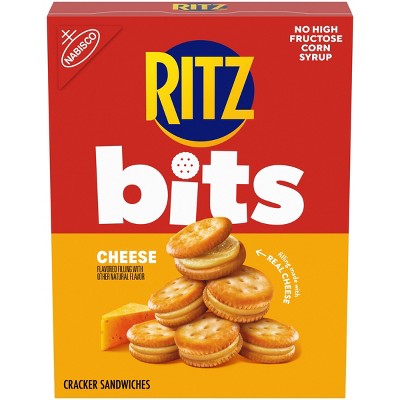
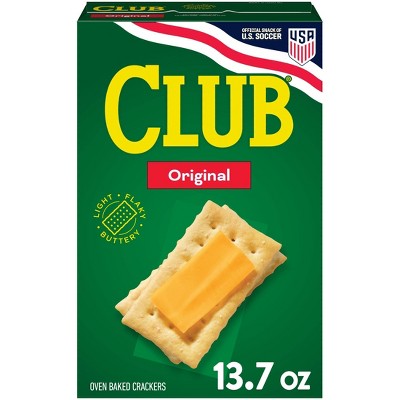
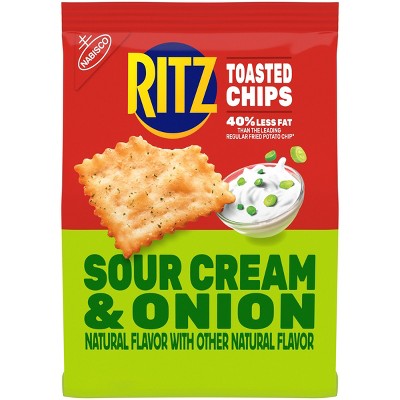
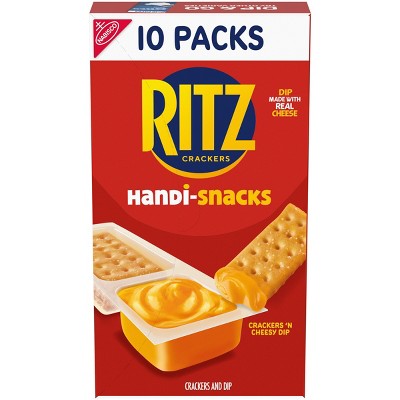
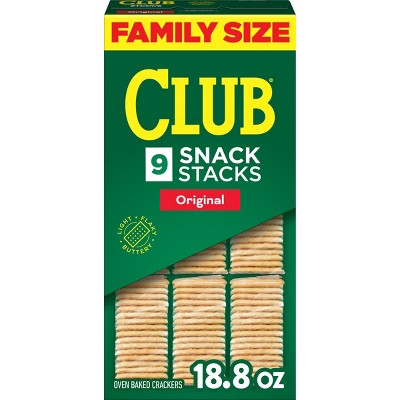
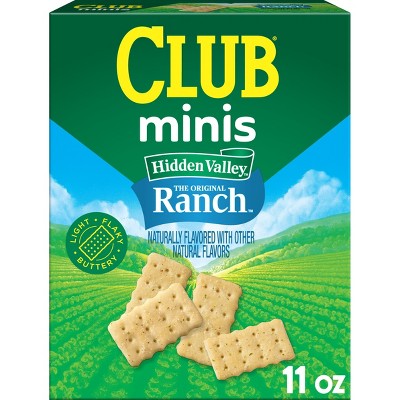
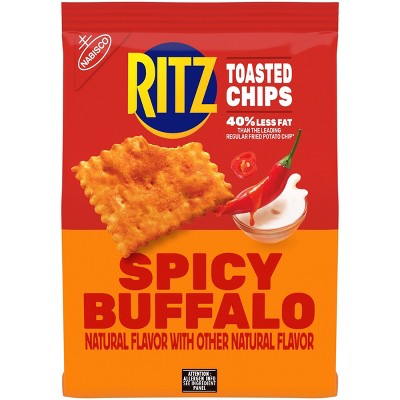
Salami is commonly used on charcuterie boards, in sandwiches, antipasto platters, salads, and pizza, or simply for snacking. It’s often paired with cheeses, crackers, olives, and wine or beer.
Labels commonly use terms like "uncured," note "no added nitrites or nitrates" on some products, and sometimes state "no artificial preservatives."
Small snack plates typically pair salami with cheeses (for example, Gouda or sharp white cheddar) and crisp toasted rounds or crackers.