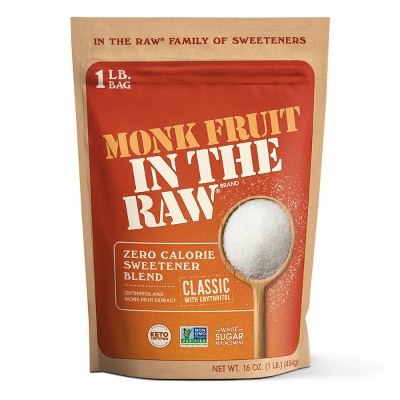
$8.99
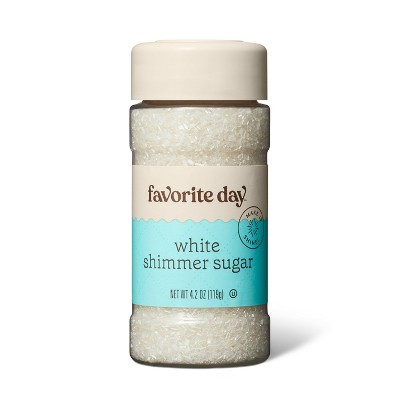
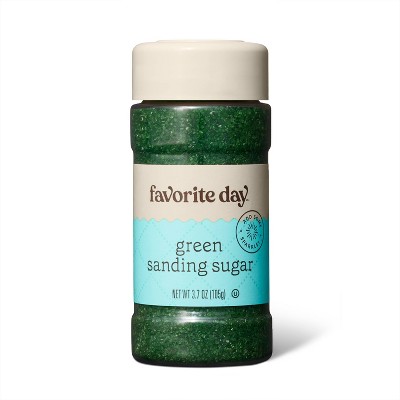
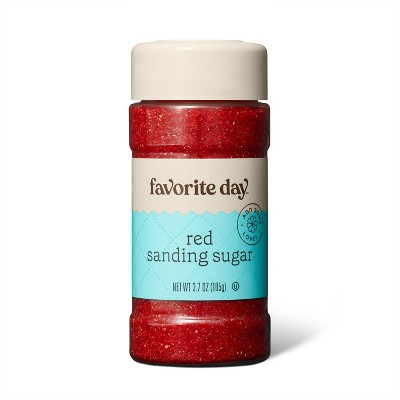
$2.39($0.57/ounce)
Loved for: versatile for baking
SNAP EBT eligible
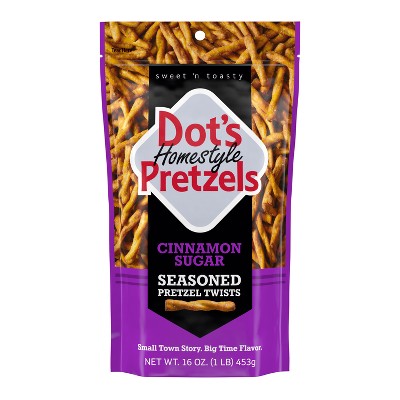
$6.19($0.39/ounce)
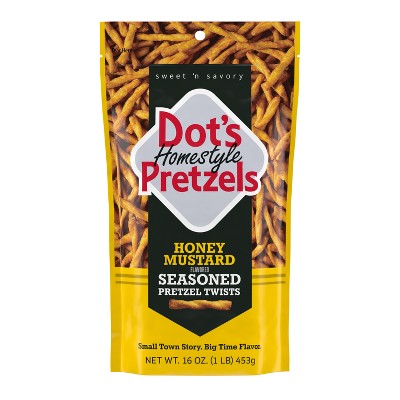
Buy 2 for $11 Dot's Homestyle Pretzels twists
Loved for: addictive flavor
SNAP EBT eligible
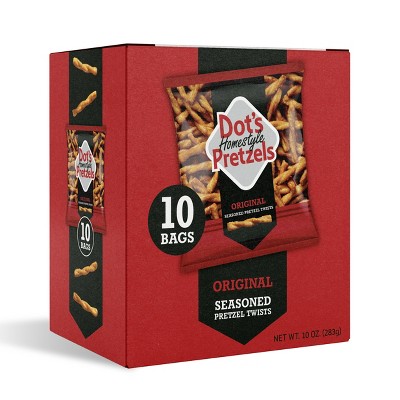
$8.19
Loved for: easy to snack
SNAP EBT eligible
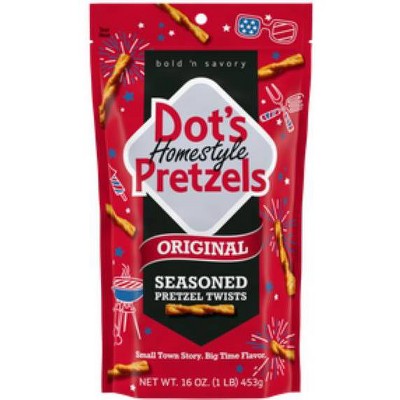
$6.19($0.39/ounce)
Buy 2 for $11 Dot's Homestyle Pretzels twists
Loved for: great flavor
SNAP EBT eligible
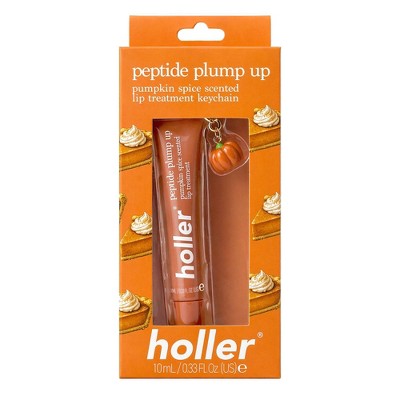
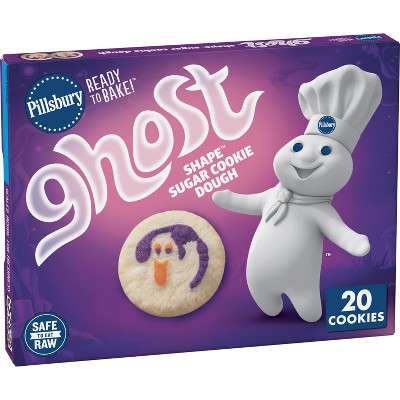
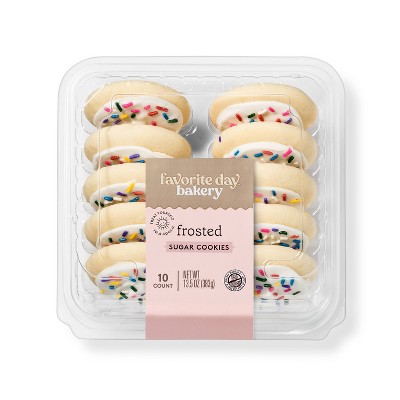
Sponsored
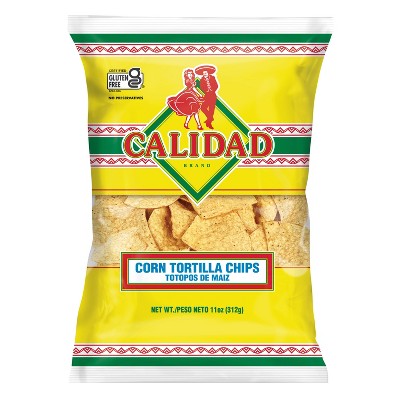
$2.49($0.23/ounce)
SNAP EBT eligible
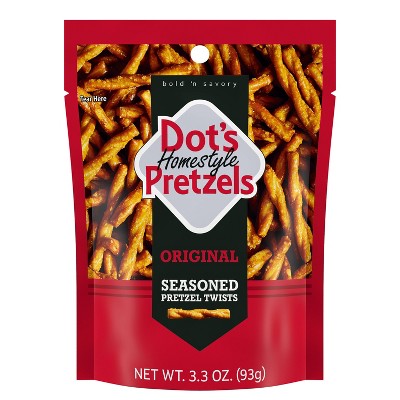
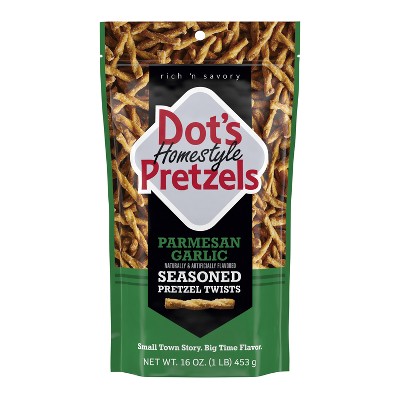
Loved for: perfect crunch
SNAP EBT eligible
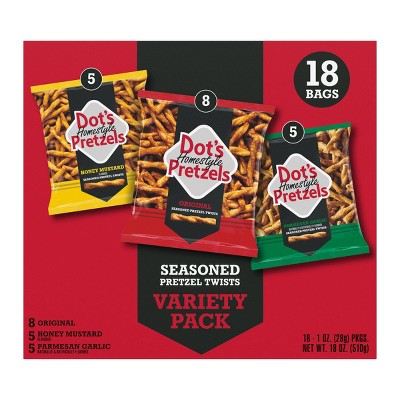
$10.59($0.59/ounce)
SNAP EBT eligible
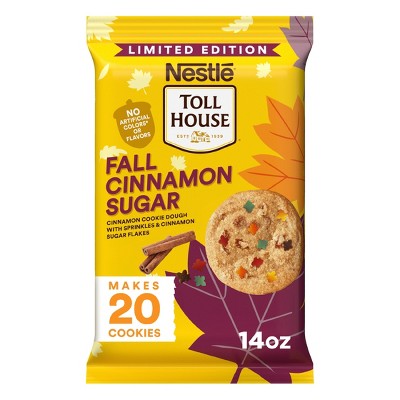
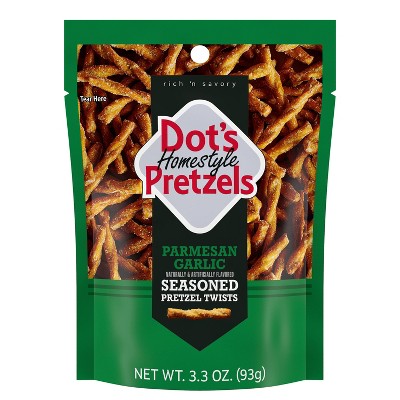
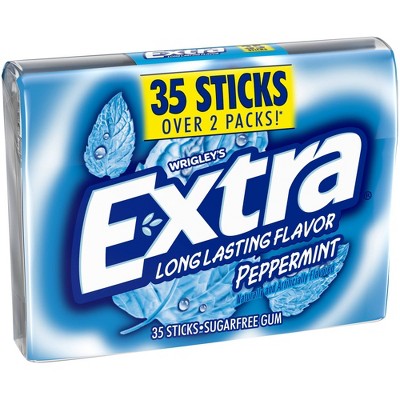
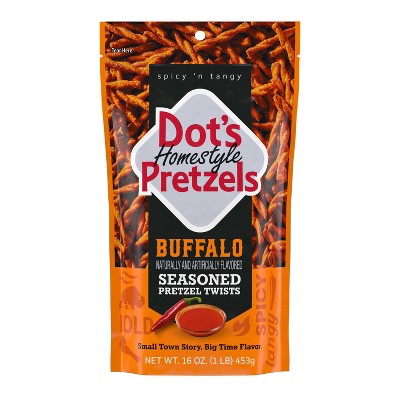
$6.19($0.39/ounce)
Buy 2 for $11 Dot's Homestyle Pretzels twists
Loved for: freshness
SNAP EBT eligible
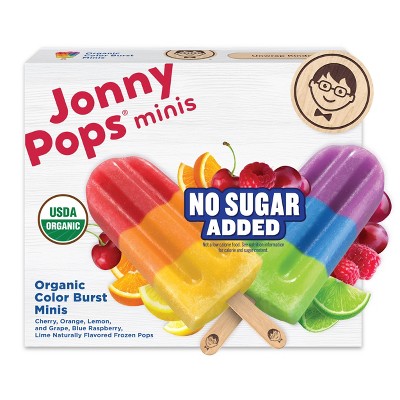
$5.99($0.53/fluid ounce)
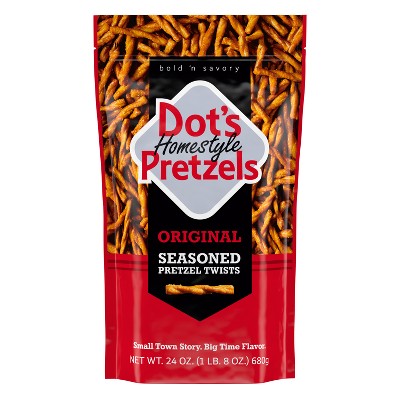
$8.79($0.37/ounce)
Loved for: amazing flavor
SNAP EBT eligible
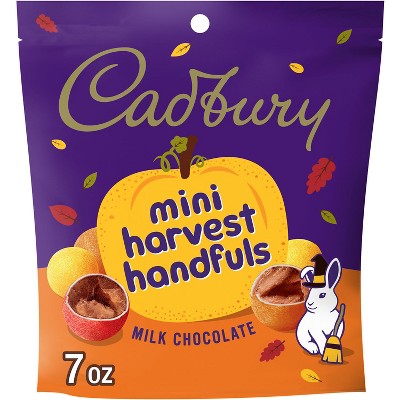
Sponsored