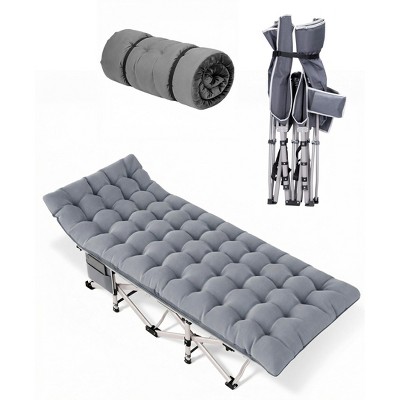
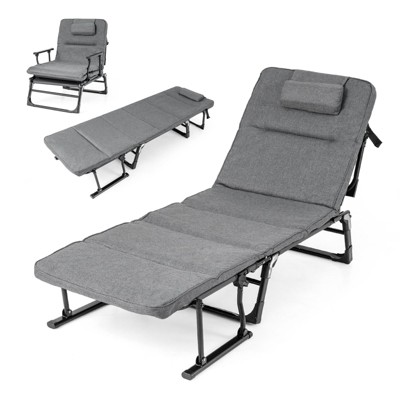
Weight capacity varies by model. Many camping cots list capacities around 299–300 pounds, while some sturdier folding cots are rated up to about 330 pounds.
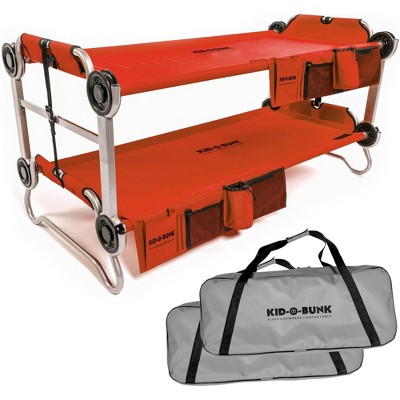
Frames are most commonly metal—often powder-coated steel—providing stable support. Some models use wooden frames or solid wood legs for durability; support systems vary by design but are typically built around these metal or wood frames.
Surface fabrics range from generic polyester to heavier-duty materials such as 600D Oxford fabric. Product listings commonly specify polyester or 600D Oxford as the cot surface.
Net weights vary by model. Examples in listings range from about 12.1 pounds up to roughly 34.84 pounds, with several common folding cots around 24–24.2 pounds.
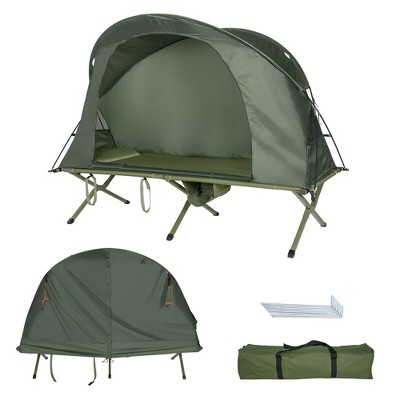
Most tent cots combine metal frames (commonly steel) with synthetic surface fabrics such as polyester or 600D Oxford. Some listings simply describe the surface as "fabric," but the typical combination is a metal frame plus a durable synthetic covering.
Some cots include added comfort features such as resilient foam cushions, spring-backed support, adjustable or elevated headrests for neck and shoulder support, and pockets for small items. You can also pair a cot with a sleeping pad or mattress for extra cushioning and warmth.
Assembly requirements vary by model. Some listings state "No Assembly Required," while others note that adult assembly is required and that tools may not be provided. A few models are described as having easy setup in reviews; check the product details for model-specific instructions.
Available color options vary by model but commonly include military green along with standard colors such as blue, green, black, and grey. Check the product listing for the exact color or camo patterns offered.