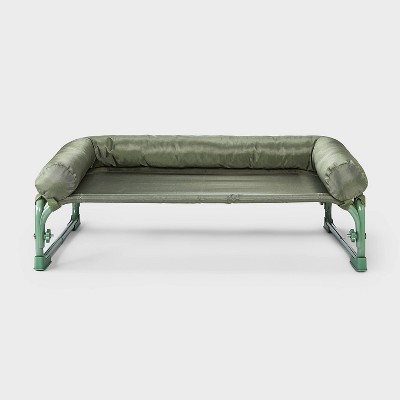
Look for elevated beds with weather-resistant sleeping surfaces (Textilene mesh, canvas, or Oxford fabric) and rust-resistant frames (powder-coated or alloy steel). Outdoor models are often labeled "weather-resistant" or "outdoor" and may include features like UV-resistant fabric, quick-dry mesh, and a carrying case for transport.
Many elevated beds are designed to be lightweight and quick to assemble or disassemble. Portable models often fold or break down in minutes and can include a carrying case for travel. For maximum portability, choose models advertised as "lightweight," "foldable," or "portable."
Elevated beds come in a range of platform lengths and widths—commonly from about 20 inches up to around 60 inches long, and widths from the mid-teens to the high 30s (in inches). Standard platform heights are often about 6–9 inches off the ground; some furniture- or canopy-style designs list much taller overall heights (for example ~28.7 inches). Check the product listing for exact dimensions and measure your dog (nose-to-tail) and the space where the bed will sit before buying.
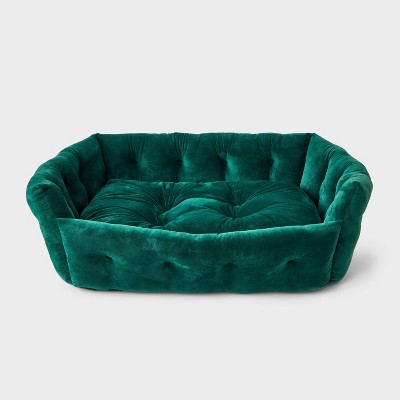
Weight capacity varies by design and materials. Metal-frame Textilene beds commonly support roughly 80–175 pounds depending on size and construction; window-perch styles may support around 100 pounds; smaller indoor sofa-style beds are often sized for pets up to about 30 pounds. Always check the specific product’s rated capacity.
Assembly varies by model. Many elevated frames use simple, tool-free connections and snap or bolt together quickly; some furniture-style beds attach legs via pre-drilled holes and may require a basic tool. Product listings often indicate "assembly required" and estimate setup time—expect many portable models to assemble or fold down in minutes.