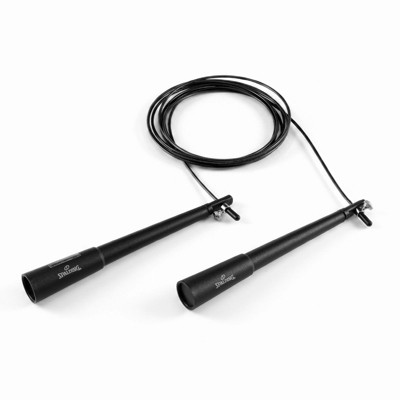
Most weighted jump ropes are adjusted by changing rope length. Common methods include: adjustable-length designs (often listed as 10 ft./trim-to-fit), unscrewing handles to trim excess cord, tool-free fold-over length systems, and models sold in size ranges so you can pick or trim to your height.
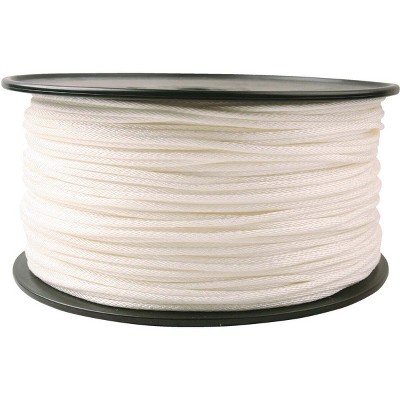
Manufacturers use thinner PVC-coated or speed cables for fast rotation and thicker or braided ropes for added resistance. Examples from listings include thin PVC speed cables (about 3/16") for speed, 9 mm braided cotton options for more heft, and dual-cable systems that pair a thin cable for speed with a thicker cable for strength training.
Yes — listings describe weighted jump ropes for both indoor and outdoor use. Some are built for any surface, while coated cables typically perform best on smooth gym floors to preserve the coating and extend rope life.
Weighted jump ropes boost cardiovascular fitness and endurance, build shoulder, arm, forearm, and wrist strength, improve coordination and agility, and support full-body conditioning and muscle toning through higher-resistance jumping.
Common handle features include aluminum or plastic/resin construction, silicone or textured anti-slip grips, ergonomic shapes for comfort, sealed ball-bearing or high-speed swivel systems for smooth rotation, and in some models removable/adjustable handle weights or handle storage mechanisms used during length adjustments.
Ropes use sealed or precision ball-bearing swivels and high-speed swivel systems to enable smooth 360° rotation. Many listings also advertise tangle-free or tangle-resistant construction and smooth swivel housings to minimize snags and twisting.